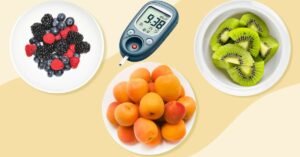
High blood sugar, also known as hyperglycaemia, is more common today than ever before. It affects millions globally whether diagnosed with diabetes, prediabetes, or simply struggling with blood sugar spikes due to poor dietary choices. While medication plays a role, the foundation of long-term blood sugar control lies in what you eat every day.
That’s where this guide comes in.
If you’re searching for the best foods to lower blood sugar naturally, you’ve come to the right place. This comprehensive list includes scientifically backed superfoods, low-glycaemic choices, and daily staples that help stabilise blood glucose levels without sacrificing taste or satisfaction.
We’ll explore blood sugar-friendly fruits, vegetables, proteins, grains, and spices and how to integrate them into your meals effectively. Whether you’re managing Type 2 Diabetes or simply want to prevent sugar spikes and crashes, these foods will support your goals.
Let’s dive into the smartest food choices for blood sugar management in 2025.
Why Lowering Blood Sugar Naturally Matters
Keeping your blood sugar in check reduces the risk of:
- Type 2 Diabetes
- Heart disease
- Kidney problems
- Nerve damage
- Vision issues
- Weight gain and fatigue
Natural blood sugar control through food is sustainable, side-effect-free, and empowers you to take control of your health.
How Diet Affects Blood Sugar Levels?
Your blood sugar rises when you eat high-carb or sugary foods. Refined grains, sugary drinks, and processed snacks are rapidly digested, leading to spikes. On the other hand, foods rich in fibre, protein, and healthy fats slow down glucose absorption, preventing sharp rises and drops.
A diet rich in low-glycaemic index (GI) foods is key. These foods release glucose gradually, maintaining balanced energy levels throughout the day.
Top 30 Best Foods to Lower Blood Sugar (List + Benefits)
Below is a detailed look at the top blood sugar-friendly foods, grouped by category:
🥦 1. Non-Starchy Vegetables
These are low in calories, high in fibre, and packed with nutrients.
- Spinach – Loaded with magnesium, a mineral that supports insulin sensitivity
- Kale – Rich in antioxidants, fibre, and low carbs
- Broccoli – Contains sulforaphane, a plant chemical that may lower glucose
- Cabbage – A crunchy, low-glycaemic option for stir-fries and salads
- Cauliflower – A great alternative to rice or potatoes
📌 Tip: Fill half your plate with non-starchy veggies for steady glucose.
🍓 2. Low-Glycaemic Fruits
Not all fruits spike blood sugar. Many are rich in fibre and antioxidants.
- Berries (blueberries, strawberries) – Low GI, high fibre, antioxidant-rich
- Cherries – Contain anthocyanins that support blood sugar regulation
- Green apples – High in fibre, low in sugar compared to other fruits
- Pears – Slow-digesting, especially with skin on
- Avocados – Technically a fruit, rich in healthy fats and fibre
📌 Tip: Pair fruit with a handful of nuts to lower sugar impact.
🥜 3. Legumes and Beans
High in plant-based protein, fibre, and slow-releasing carbs.
- Lentils – Lower post-meal blood sugar spikes
- Chickpeas – Reduce appetite and balance glucose
- Black beans – Contain resistant starch that supports healthy insulin levels
- Kidney beans – Help moderate blood sugar when eaten regularly
📌 Tip: Swap meat for lentil or bean-based meals a few times a week.
🍗 4. Lean Proteins
Protein helps slow carb absorption and keeps you fuller longer.
- Eggs – Excellent for breakfast; stabilise blood sugar throughout the day
- Chicken breast – Lean, versatile, and doesn’t raise glucose
- Salmon – Rich in omega-3s, promotes insulin sensitivity
- Tofu – A low-carb plant-based option
- Greek yoghurt (unsweetened) – High in protein and probiotics
📌 Tip: Combine protein with fibre for a powerful blood sugar combo.
🌾 5. Whole Grains (in Moderation)
Whole grains are a far healthier choice than refined grains when it comes to managing blood sugar. While carbohydrates can spike glucose levels, whole grains digest more slowly, thanks to their fibre, protein, and nutrient content. That said, moderation is key even the healthiest whole grains can raise blood sugar if consumed in large portions.
Let’s look at five of the best whole grains for blood sugar support and how to use them wisely.
✅ Quinoa
Quinoa is not just a whole grain it’s a complete plant protein, containing all nine essential amino acids. It’s also high in magnesium, which plays a critical role in regulating blood sugar levels and improving insulin sensitivity.
Benefits of quinoa:
- Low glycaemic index
- High fibre and protein content
- Helps you feel full and prevents blood sugar spikes
📌 How to use: Serve as a base for salads, grain bowls, or as a side in place of rice or pasta.
✅ Steel-Cut Oats
Oats are a classic blood sugar-friendly breakfast, but steel-cut oats are the superior form. They contain beta-glucan, a type of soluble fibre that slows digestion, improves insulin response, and helps stabilise post-meal glucose levels.
Benefits of steel-cut oats:
- Slow-releasing complex carbs
- Improves satiety
- Supports heart health
📌 How to use: Cook steel-cut oats with water or unsweetened almond milk. Top with cinnamon, chia seeds, or berries for extra blood sugar control.
✅ Barley
Barley is one of the best grains for blood sugar management due to its exceptionally high soluble fibre content. It helps delay gastric emptying and slows carbohydrate absorption, preventing spikes in blood sugar after meals.
Benefits of barley:
- High in beta-glucan fibre
- Supports digestion and cholesterol control
- Promotes stable blood glucose levels
📌 How to use: Use in soups, stews, or as a hearty salad base with vegetables and lean protein.
✅ Brown Rice
Brown rice retains the bran and germ found in whole grains, making it much richer in nutrients than white rice. It has a lower glycaemic index, especially when cooked and cooled, which increases resistant starch a compound known to support insulin sensitivity.
Benefits of brown rice:
- Better blood sugar response than white rice
- Source of B vitamins and selenium
- Improves gut health with resistant starch
📌 How to use: Serve with stir-fries or curries. For better blood sugar control, let it cool before eating or reheating.
✅ Buckwheat
Despite its name, buckwheat is gluten-free and not actually a wheat grain. It’s rich in antioxidants, magnesium, and fibre, all of which contribute to better blood sugar balance. It also contains D-chiro-inositol, a compound that may support insulin function.
Benefits of buckwheat:
- Gluten-free and low GI
- Supports cardiovascular health
- Enhances insulin response
📌 How to use: Cook buckwheat groats as a porridge, or use buckwheat flour in pancakes or baked goods.
Final Tip
When incorporating whole grains into your diet, always watch your portion sizes. Stick to ½ cup cooked servings, and always pair grains with lean protein, healthy fat, or fibre-rich vegetables to slow glucose absorption and maximise benefits.avoid excess carbs.
🧂 6. Spices and Herbs That Lower Blood Sugar

When it comes to natural ways to manage blood sugar, your spice rack might be more powerful than your medicine cabinet. For centuries, cultures around the world have used herbs and spices not only to enhance flavour but to treat ailments and modern science is catching up. Several herbs and spices have been shown to positively affect blood glucose levels, insulin sensitivity, and even cholesterol.
Below are five of the most effective and accessible options you can incorporate into your daily meals.
🌿 Cinnamon
Cinnamon is one of the most well-researched spices for blood sugar support. It’s known for its ability to mimic insulin and increase glucose uptake by the cells. Ceylon cinnamon (also called “true cinnamon”) is considered the best variety for therapeutic use.
Studies show that regular intake of cinnamon can:
- Improve fasting blood glucose
- Reduce HbA1c in people with Type 2 Diabetes
- Enhance insulin sensitivity
📌 How to use: Add ½ to 1 teaspoon daily to smoothies, coffee, oatmeal, or yoghurt.
🌿 Turmeric (with Black Pepper)
Turmeric contains curcumin, a compound known for its potent anti-inflammatory and antioxidant effects. Chronic inflammation is a key contributor to insulin resistance and poor blood sugar control.
When combined with black pepper (which contains piperine), the absorption of curcumin increases significantly.
Benefits include:
- Reduced insulin resistance
- Lower blood sugar spikes after meals
- Protection against diabetic complications
📌 How to use: Use turmeric in curries, soups, or take with warm almond milk. Always pair with black pepper for maximum benefit.
🌿 Fenugreek Seeds
Fenugreek seeds are rich in soluble fibre, which slows carbohydrate digestion and sugar absorption in the gut. Several clinical studies show that fenugreek can lower fasting and post-meal blood sugar levels.
Some benefits:
- Improved glucose tolerance
- Reduced HbA1c levels
- Enhanced insulin response
📌 How to use: Soak 1 tablespoon of fenugreek seeds in water overnight and drink the water in the morning. You can also use fenugreek powder in cooking.
🌿 Ginger
Ginger is well known for aiding digestion and soothing inflammation, but it also plays a role in glucose regulation. It may increase insulin sensitivity, support healthy lipid levels, and reduce sugar spikes after carbohydrate-heavy meals.
Benefits include:
- Stabilised blood sugar during fasting
- Decreased oxidative stress
- Reduced insulin resistance
📌 How to use: Add fresh ginger to tea, soups, stir-fries, or morning detox drinks.
🌿 Garlic
Garlic supports both heart health and blood sugar control. It may enhance insulin secretion and improve insulin sensitivity while also lowering bad cholesterol a common issue in people with diabetes.
Garlic benefits:
- Lower fasting blood sugar
- Improved cholesterol profile
- Anti-inflammatory effects
📌 How to use: Use raw or lightly cooked garlic in sauces, dressings, and roasted vegetables.
Final Tip
Incorporating these herbs and spices into your daily meals is an easy, flavourful way to support blood sugar control naturally. They work best as part of a balanced diet rich in fibre, lean protein, and low-glycaemic foods. Always consult your doctor before starting any herbal supplement, especially if you’re on medication.
Bonus Superfoods for Blood Sugar Support
- Chia seeds – Rich in omega-3s and fibre; slow down digestion
- Flaxseeds – Improve insulin sensitivity
- Apple cider vinegar – When taken before meals, may lower post-meal sugar
- Nuts (almonds, walnuts) – Fat and protein content supports glucose control
- Dark chocolate (85%+) – Small amounts improve insulin sensitivity
Sample 1-Day Blood Sugar-Friendly Meal Plan
✅ Breakfast:
Greek yoghurt + chia seeds + blueberries + cinnamon
✅ Snack:
Apple + almond butter
✅ Lunch:
Grilled salmon + quinoa salad with kale, tomatoes, lemon vinaigrette
✅ Snack:
Boiled egg + handful of walnuts
✅ Dinner:
Lentil curry + sautéed spinach + roasted cauliflower
✅ Drink:
Herbal tea or lemon water
Foods to Avoid for Blood Sugar Stability
To maintain steady glucose levels, avoid these common offenders:
- White bread, pasta, and rice
- Sugary cereals and granola bars
- Sweetened beverages (soda, energy drinks, packaged juices)
- Fried foods and fast food
- Packaged snacks (chips, crackers)
- Baked goods and desserts
- Flavoured yoghurts and ice creams
- High-sugar fruits like bananas, grapes, and mangoes (limit portions)
Tips to Integrate These Foods into Daily Life
- Plan your meals: Include a protein, healthy fat, and fibre source in each meal.
- Eat smaller, more frequent meals: Prevents spikes and crashes.
- Preload with veggies: Eat salad or veggies before carbs to blunt sugar rise.
- Pair carbs with protein or fat: Slows digestion and sugar release.
- Cook with blood sugar-friendly spices: Add turmeric, garlic, and cinnamon liberally.
- Stay hydrated: Drink water to help flush excess sugar from your system.
- Prepare meals ahead: Reduces reliance on processed, sugary foods.
Lifestyle Tips That Support Blood Sugar Management
Alongside food, your daily habits play a massive role in regulating blood sugar:
- Exercise regularly – Walking, yoga, or strength training improves insulin sensitivity
- Manage stress – Cortisol spikes can raise blood sugar; practice mindfulness or breathing exercises
- Get quality sleep – Poor sleep reduces glucose control and increases cravings
- Monitor portion sizes – Even healthy foods can cause spikes if overeaten
- Track your blood sugar – Know what foods affect you most using a monitor or journal
Must Read:
- Best Diet for Prediabetes Female: What to Eat Daily
- Top Approved Food List for Diabetics Today
- What to Drink Lower Blood Sugar Immediately?
FAQs:
Can you lower blood sugar quickly with food?
Yes. Pairing low-GI foods with fibre, protein, and fat can bring down sugar levels gradually. Apple cider vinegar or a walk after a meal may help too.
What’s the best breakfast for blood sugar?
High-protein and low-carb options such as eggs, Greek yoghurt, or chia pudding with berries are excellent choices.
Are bananas bad for blood sugar?
Bananas are high in sugar and should be eaten in moderation. Green bananas have lower GI than ripe ones.
Is fasting good for blood sugar?
Intermittent fasting may help improve insulin sensitivity in some people, but it’s best discussed with a healthcare provider.
Final Words:
Blood sugar control doesn’t require cutting out every food you love. With the right strategies and food choices, you can enjoy satisfying, flavourful meals while supporting your body’s natural ability to regulate glucose.
Whether you’re managing diabetes, prediabetes, or simply want better energy, the foods you eat daily shape your health outcome. Choosing whole, nutrient-dense, low-glycaemic foods can lower blood sugar naturally, reduce your reliance on medications, and even reverse early signs of metabolic issues.
From leafy greens and berries to spices like turmeric and cinnamon, your kitchen holds the keys to better blood sugar control. Add these foods consistently, monitor your body’s response, and enjoy the long-term benefits of a stabilised system.
You’re not just eating to fill your stomach you’re fuelling your future.
Take control, one meal at a time.