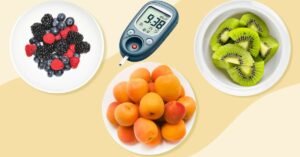
Pregnancy is one of life’s most beautiful experiences a time of joy, anticipation, and change. But for some women, it also comes with a few extra health considerations. One of the most common temporary conditions during pregnancy is gestational diabetes, a form of high blood sugar that occurs only while expecting.
The good news? With the right diet, you can easily manage gestational diabetes, protect your health, and ensure a healthy pregnancy for both you and your baby. A gestational diabetes diet focuses on balance — providing your body with essential nutrients, stabilizing blood sugar levels, and maintaining energy throughout the day.
This article explains exactly what to eat daily when managing gestational diabetes, including food lists, meal ideas, and expert-backed tips for long-term health. With small, smart adjustments, you can enjoy a satisfying diet that supports your pregnancy and keeps you and your baby thriving.
What Is Gestational Diabetes?
Gestational diabetes mellitus (GDM) develops when pregnancy hormones interfere with insulin — the hormone responsible for moving glucose (sugar) from your blood into your cells for energy. During pregnancy, your body naturally becomes slightly insulin-resistant to help provide energy for your growing baby. However, in some women, this resistance becomes too strong, causing higher-than-normal blood sugar levels.
Gestational diabetes typically appears between weeks 24 and 28 of pregnancy. It usually resolves after delivery but requires careful attention while pregnant to avoid complications such as excessive baby growth, high birth weight, or delivery challenges.
The key to controlling it lies in how and what you eat. Your food choices directly influence blood sugar balance and insulin response. With mindful meal planning and healthy lifestyle habits, most women can manage gestational diabetes naturally without medication and deliver healthy babies.
Why Diet Matters in Gestational Diabetes?
When you eat, your body breaks down carbohydrates into glucose, which enters the bloodstream. The pancreas then releases insulin to move this glucose into your cells for energy. However, during pregnancy, hormones can make this process less efficient.
This is where diet becomes crucial. Eating the right combination of nutrients helps your body maintain steady glucose levels. The gestational diabetes diet is not about restriction it’s about smart balance.
Why It’s So Important:
- Controls Blood Sugar: Keeps glucose within the target range after every meal.
- Prevents Energy Crashes: Balanced meals prevent fatigue and sugar highs or lows.
- Supports Baby’s Growth: Provides all essential nutrients for fetal development.
- Reduces Complications: Lowers the risk of preterm birth, large babies, or Cesarean deliveries.
- Improves Overall Wellness: Enhances digestion, immunity, and emotional stability.
With proper nutrition, you can enjoy a vibrant pregnancy while maintaining ideal health for you and your baby.
The Core Principles of a Gestational Diabetes Diet
Managing gestational diabetes starts with understanding the basics of blood sugar control. The following principles form the foundation of your daily meal planning:
- Balance Macronutrients:
Include carbohydrates, protein, and healthy fats in every meal. Together, they slow digestion and prevent sugar spikes. - Focus on Complex Carbohydrates:
Choose whole grains, legumes, and vegetables over refined foods. These carbs release energy gradually, keeping blood sugar stable. - Eat Smaller, Frequent Meals:
Three balanced meals and two or three healthy snacks prevent large blood sugar fluctuations. - Prioritize Protein:
Protein slows carbohydrate absorption and keeps you full longer — vital for managing cravings. - Stay Hydrated:
Water helps the body flush out excess glucose and supports circulation. - Add Fiber-Rich Foods:
Vegetables, fruits, and beans aid digestion and improve insulin sensitivity. - Avoid Sugary Beverages:
Fruit juices, sodas, and sweetened teas can spike glucose levels rapidly.
Following these principles makes it easier to keep your blood sugar balanced while feeling energized and nourished.
Best Foods to Eat Daily for Gestational Diabetes
A healthy gestational diabetes diet includes a variety of wholesome foods that deliver steady energy, fiber, and essential nutrients.
1. Whole Grains
Opt for slow-digesting carbs such as brown rice, oats, quinoa, barley, bulgur, and whole-wheat bread. These provide fiber, B vitamins, and minerals that help manage sugar levels naturally.
2. Lean Proteins
Protein plays a key role in stabilizing blood glucose. Include chicken, turkey, eggs, fish (low-mercury options like salmon or sardines), tofu, lentils, and Greek yogurt. Protein also supports your baby’s growth and strengthens muscles.
3. Non-Starchy Vegetables
Load half your plate with spinach, kale, broccoli, cauliflower, bell peppers, zucchini, tomatoes, and carrots. These nutrient-dense vegetables are low in carbs but high in fiber, vitamins, and antioxidants.
4. Low-Glycemic Fruits
Fruits are not off-limits it’s all about portion and type. Go for apples, berries, pears, oranges, and cherries. Their natural sugars release slowly, helping maintain steady glucose levels.
5. Healthy Fats
Good fats improve insulin sensitivity and provide long-lasting energy. Include avocados, olive oil, chia seeds, flaxseeds, walnuts, and almonds.
6. Dairy or Calcium Alternatives
Choose low-fat milk, Greek yogurt, or unsweetened plant-based alternatives such as almond or soy milk. These strengthen bones and support fetal development.
7. Legumes
Chickpeas, black beans, and lentils are rich in both fiber and protein a perfect combo for controlling blood sugar and keeping you full longer.
8. Hydration Essentials
Stay hydrated with 8–10 glasses of water daily. Herbal teas (like chamomile or peppermint) and infused water with cucumber or lemon are refreshing options.
These foods form the foundation of your daily diet keeping blood sugar stable while delivering key nutrients to support both mother and baby.
Sample Meal Plan for Gestational Diabetes

Here’s a simple, balanced daily meal plan that aligns with gestational diabetes guidelines.
Breakfast
- Scrambled eggs with spinach and whole-grain toast.
- A small serving of oatmeal topped with chia seeds, berries, and a spoonful of almond butter.
- Unsweetened tea or water.
Mid-Morning Snack
- Handful of walnuts or almonds.
- Or Greek yogurt with cucumber slices.
Lunch
- Grilled chicken salad with olive oil dressing and quinoa.
- Lentil soup with a slice of whole-grain toast.
- Fresh vegetable sticks as sides.
Afternoon Snack
- Roasted chickpeas or hummus with veggie sticks.
- Or a boiled egg and a small apple.
Dinner
- Baked salmon with brown rice and steamed broccoli.
- Or tofu stir-fry with vegetables and soba noodles.
- Water or herbal tea.
Evening Snack (Optional)
- Cottage cheese with flaxseeds.
- Or a handful of mixed nuts.
This structure ensures steady energy, prevents cravings, and keeps your blood sugar within a healthy range.
Foods to Limit or Avoid
While no food is completely off-limits, certain foods can cause glucose spikes and should be limited.
- Refined carbohydrates: White bread, pastries, and white rice.
- Sugary drinks: Soda, flavored coffee, and sweetened fruit juices.
- Processed snacks: Chips, candy, or packaged desserts.
- Fried and fatty foods: Limit trans fats and deep-fried items.
- High-GI fruits: Watermelon, pineapple (consume in small portions).
- Alcohol: Avoid entirely during pregnancy.
Focus on moderation rather than elimination. A small treat paired with protein or fiber is perfectly fine occasionally.
Importance of Portion Control and Meal Timing
When managing gestational diabetes, how much and when you eat are just as important as what you eat.
Why It Matters
- Large meals can overload your system with glucose.
- Skipping meals can cause dips and spikes in blood sugar.
- Eating regularly keeps insulin activity consistent.
Smart Eating Tips
- Divide your meals into smaller portions spaced every 3–4 hours.
- Use the plate method:
- ½ plate vegetables
- ¼ plate lean protein
- ¼ plate whole grains or complex carbs
- Pair carbohydrates with protein or healthy fat to slow absorption.
- Include a light bedtime snack (such as nuts or yogurt) to prevent overnight sugar drops.
This rhythm keeps blood sugar smooth and prevents hunger or fatigue.
Lifestyle Tips to Support a Gestational Diabetes Diet
A healthy diet works best when paired with an active, mindful lifestyle.
1. Stay Physically Active
Gentle activity such as walking, prenatal yoga, or swimming helps your body use glucose more efficiently. Aim for at least 30 minutes of light activity most days.
2. Manage Stress
Stress releases hormones that can raise blood sugar. Incorporate breathing exercises, mindfulness, or journaling to maintain calm.
3. Sleep Well
Get 7–8 hours of sleep per night. Poor sleep can increase insulin resistance and cravings.
4. Monitor Blood Sugar
Check levels as advised by your healthcare provider. Understanding how your body responds to meals helps you make better choices.
5. Plan Ahead
Meal prepping can prevent last-minute, unhealthy eating choices. Keep healthy snacks like nuts or boiled eggs ready.
Consistency in your routine is the secret to stable glucose and an enjoyable pregnancy.
Supplements and Nutrients That Support Blood Sugar

A balanced diet is the best source of nutrition, but certain supplements may help support blood sugar balance during pregnancy (with medical guidance).
- Omega-3 Fatty Acids: Support brain development and reduce inflammation.
- Magnesium: Enhances insulin sensitivity.
- Vitamin D: Supports metabolism and immune function.
- Chromium and Zinc: Assist in maintaining glucose stability.
Always consult your doctor before starting any supplement, as needs vary by individual and trimester.
Common Myths About Gestational Diabetes Diet
Misinformation often leads to unnecessary anxiety. Let’s clarify a few common myths.
Myth 1: “You must avoid all carbohydrates.”
➡ Fact: Carbs are essential for energy and fetal growth. Focus on quality carbs and proper portions.
Myth 2: “Gestational diabetes makes pregnancy unsafe.”
➡ Fact: With diet, exercise, and regular monitoring, most women have smooth, healthy pregnancies.
Myth 3: “Fruits are bad for blood sugar.”
➡ Fact: Low-GI fruits like berries, apples, and pears are excellent when eaten mindfully.
Myth 4: “Skipping snacks helps control sugar.”
➡ Fact: Small, balanced snacks actually stabilize blood sugar and prevent spikes.
By separating myths from facts, you can focus confidently on what truly supports your health.
Final Words:
Gestational diabetes may sound intimidating, but with knowledge and planning, it’s entirely manageable. A gestational diabetes diet empowers you to take charge of your health ensuring steady blood sugar, sustained energy, and a healthy, growing baby.
This isn’t a restrictive diet; it’s a lifestyle of mindful eating. By choosing nutrient-rich foods, eating smaller balanced meals, and staying active, you create a foundation of wellness that benefits you long after pregnancy.
Remember, every meal is a chance to nourish both yourself and your child. With each bite of wholesome food, you’re building strength, vitality, and a healthy beginning for your baby.
Eat smart, stay active, and embrace a healthy, confident pregnancy one balanced meal at a time.
Must Read:
- What Happens If Gestational Diabetes Is Not Controlled?
- Does Gestational Diabetes Affect Baby Brain Development?
- Reduce Gestational Diabetes During Pregnancy
Frequently Asked Questions:
1. What is the best breakfast for gestational diabetes?
Oatmeal with chia seeds, eggs with whole-grain toast, or Greek yogurt with berries make excellent, blood-sugar-friendly breakfasts.
2. Can I eat fruits with gestational diabetes?
Yes. Choose low-glycemic fruits like apples, pears, and berries. Pair them with nuts or yogurt to avoid glucose spikes.
3. How often should I eat?
Eat smaller meals every 3–4 hours with healthy snacks in between to maintain stable energy levels.
4. Are sweets completely off-limits?
Occasional small portions are fine, especially when paired with protein or fiber and followed by light activity.
5. Is exercise necessary with a gestational diabetes diet?
Yes. Light activities such as walking or prenatal yoga enhance insulin efficiency and promote overall wellness.
6. Will gestational diabetes go away after pregnancy?
In most cases, blood sugar levels return to normal after delivery especially with a healthy diet and lifestyle during pregnancy.