Living with diabetes often comes with a long list of food-related uncertainties. Fruit is usually at the top of that list. Many people hear that fruit contains sugar, and that alone makes them nervous. Others believe fruit is always healthy in any amount, which is not entirely accurate for someone managing blood glucose levels. Because of this confusion, a simple question keeps coming up: How much Fruit Can a Diabetic Eat in a Day?
The answer is not one-size-fits-all. Fruit is full of fiber, vitamins, antioxidants and hydration. These benefits make it an important part of a balanced diet. At the same time, fruit contains natural sugars, so quantity, timing and choice matter. Understanding how fruit affects the body helps people with diabetes make eating decisions that support stable blood sugar rather than disrupt it.
This article breaks down the topic in detail. You’ll learn how fruit influences glucose levels, how to build the right portion sizes into your day, how to choose the most blood-sugar-friendly fruits and how to enjoy fruit safely without guessing. The goal is practical knowledge, not restriction. With the right approach, fruit can be a safe and valuable part of a diabetic diet.
Understanding Fruit and Blood Sugar
Fruit contains natural sugars, but its fiber helps slow digestion and prevents rapid glucose spikes. Different fruits raise blood sugar at different rates, so portion size and type matter. Monitoring carb content and choosing whole fruits helps diabetics manage blood sugar more effectively.
Natural Sugars vs Added Sugars
Many people assume sugar is sugar, but the source makes a big difference. Fruit contains fructose and glucose, but it also brings fiber, water and nutrients that slow sugar absorption. Added sugars in packaged foods behave differently because they enter the bloodstream faster and lack fiber. When we compare the two, fruit wins by a huge margin. Even though fruit has sweetness, its natural structure protects against sudden spikes.
When asking how much Fruit Can a Diabetic Eat in a Day, understanding this difference is essential. Fruit sugar is not the same as processed sugar, and your body responds differently based on the whole-food package.
How Carbohydrates in Fruit Affect Blood Glucose
Every fruit contains carbohydrates, and carbohydrates raise blood sugar. That makes carb counting an important skill. If someone knows how many carbs a fruit serving contains, they can fit it into their total daily allowance. Another point is the role of fiber. Fiber slows digestion, so fruit releases glucose gradually. This helps avoid sudden spikes.
The glycemic index and glycemic load are also important. A fruit with a low glycemic index raises blood sugar more slowly. A fruit with a high glycemic load raises it more quickly. While glycemic values do not tell the whole story, they help guide portion control. Maintaining awareness of both carb amounts and fiber levels helps people use fruit safely.
Why Portion Size Matters for Diabetics
Two people can eat the same piece of fruit and get very different glucose results. Body weight, medications, insulin production, physical activity and digestion speed all influence the outcome. That’s why portion size becomes a personal tool. Instead of eliminating fruit, diabetics learn to adjust the quantity.
A small apple affects the body differently from a large bowl of grapes. Processed fruit products such as juice, canned fruit in syrup and dried fruit deliver more sugar in smaller volumes. Because of that, understanding portions is one of the most important aspects of determining how much Fruit Can a Diabetic Eat in a Day.
How Much Fruit Can a Diabetic Safely Eat in a Day?
Most diabetics can safely eat one to two servings of whole fruit a day, depending on their carb goals and blood sugar response. Portion size, fruit type and timing matter. Monitoring glucose after meals helps personalize how much fruit fits comfortably into daily eating.
1. General Recommendations from Health Experts
Most nutrition guidelines recommend one to two servings of fruit per day for people with diabetes, but this is not a strict rule. It depends on total carbohydrate goals. Some individuals tolerate three servings. Others may need to stick to one. A dietitian usually helps set a personalized range, but a safe starting point is balancing fruit within the day’s carb allowance.
The key idea here is flexibility. Fruit isn’t forbidden. It just needs to fit into the overall plan. When someone aims for stable glucose levels, the question becomes how fruit affects their numbers rather than whether fruit belongs in the diet.
2. Ideal Portion Sizes
A fruit serving is not based on guesswork. It has clear measurements so people understand what they’re consuming. For example:
- One small apple
- One orange
- Half a banana
- Three quarters of a cup of berries
- One small peach
- One cup of melon cubes
These portion sizes are chosen because they provide a predictable amount of carbohydrates. Knowing this makes it easier to decide how much Fruit Can a Diabetic Eat in a Day without going overboard. Measuring portions at home also helps maintain consistency.
3. Personalizing Fruit Intake
No two diabetic diets are identical. Continuous glucose monitors and finger-prick readings offer valuable data. When someone introduces a new fruit, checking their blood sugar afterwards reveals how their body reacts. If the numbers stay within range, the fruit fits safely into the routine. If levels rise too quickly, adjustments help.
A food diary is also useful. Tracking fruit portions, timing and glucose readings makes trends clear. Over time, patterns appear that show which fruits are safest and which need smaller servings. This personalized approach is far more effective than rigid rules.
Best Fruits for Diabetics
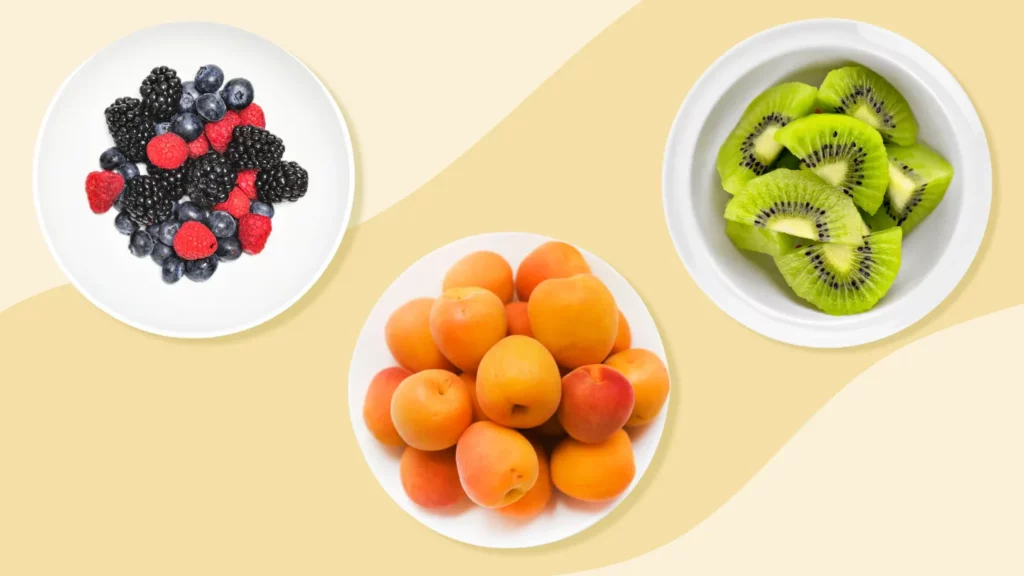
The best fruits for diabetics are low-GI, high-fiber options like berries, apples, pears, peaches and citrus fruits. These fruits digest slowly, support stable blood sugar and offer vitamins and antioxidants. They fit well into daily meals when eaten in controlled portions.
1. Low-GI Fruits
Low-glycemic fruits raise blood sugar slowly. They’re usually rich in fiber and water. These fruits often become a staple in diabetic meal plans because they provide sweetness without sharp spikes. Some of the most reliable choices include:
- Strawberries, blueberries, blackberries and raspberries
- Apples
- Pears
- Peaches
- Oranges and other citrus fruits
These options allow individuals to enjoy fruit while keeping sugar responses steady. They also work well in snacks, salads and breakfast meals.
2. High-Fiber Fruits
Fiber plays a central role in deciding how much Fruit Can a Diabetic Eat in a Day. Fruits high in fiber offer more benefits than those with similar sugar amounts but lower fiber. Fiber slows digestion, increases fullness and helps control cholesterol. Options include:
- Berries
- Pears with skin
- Apples with skin
- Guava
- Kiwi
Adding these fruits to meals can support better blood sugar control throughout the day.
3. Antioxidant-Rich Fruits
Antioxidants help reduce inflammation and support long-term health. For people with diabetes, this is especially valuable because they face higher risks of heart disease and oxidative stress. Fruits rich in antioxidants include:
- Blueberries
- Cherries
- Pomegranates
- Grapes (in moderation)
- Plums
These fruits provide vitamins and protective plant compounds, making them strong nutritional additions when eaten in controlled portions.
4. Fruits That Should Be Eaten in Moderation
Some fruits contain more sugar and fewer fibers. This does not mean they are off-limits, but portions should be smaller. Examples include:
- Mangoes
- Grapes
- Pineapple
- Bananas
- Lychee
If someone loves these fruits, they can still enjoy them by adjusting serving sizes or pairing them with protein or healthy fats.
Fruits Diabetics Should Limit or Avoid
Diabetics should limit fruit juice, dried fruits and canned fruits in syrup because they contain concentrated sugars that spike blood sugar quickly. High-sugar fruits like mangoes, grapes and pineapple are safe only in small portions and combined with balanced meals.
1. Fruit Juices
Juice contains concentrated sugar without fiber. Even when it’s labeled as 100% fruit, the natural structure is missing. A single glass may contain the sugar of three to four whole fruits. Juice enters the bloodstream quickly, causing fast glucose spikes. For this reason, most diabetic meal plans avoid juice entirely.
2. Dried Fruits
Drying removes water and concentrates sugar. A small handful of dried fruit can equal the sugar of several fresh pieces. This makes portion control difficult. Dried fruit is not forbidden, but it should only be eaten in tiny portions and preferably with a balanced meal.
3. Canned Fruits in Syrup
Syrup adds extra sugar, making these fruits unsuitable for blood sugar stability. Even canned fruit in natural juice should be washed and drained to reduce sugar. The safest options are fruits packed in water with no added sweeteners.
How Fruit Fits Into a Diabetic Diet Plan
Fruit fits into a diabetic diet when portioned carefully and paired with balanced meals. Eating fruit with protein or healthy fats slows sugar absorption. Using meal-planning methods, tracking carbs and choosing low-GI fruits helps maintain steady blood sugar while still enjoying natural sweetness.
1. Using the Plate Method
The plate method divides a meal into balanced sections: half vegetables, one quarter protein and one quarter whole grains. Fruit can be added to this structure either as a side or dessert. The portion should still fit within the day’s carb goals. This method reduces guesswork and helps maintain consistent blood sugar.
2. Timing Fruit for Better Blood Sugar Control
Timing makes a big difference when deciding how much Fruit Can a Diabetic Eat in a Day. Eating fruit with meals slows absorption because other foods naturally break down more slowly. Eating fruit on an empty stomach can cause quicker spikes. Many people find that fruit works best as part of breakfast or lunch rather than evening snacks.
Pairing fruit with foods like nuts, yogurt or cheese further slows digestion. This combination prevents sharp sugar increases and keeps hunger stable.
3. Fruit and Medications
Some diabetic medications influence how the body handles carbohydrates. People using insulin need to know the carb count of each fruit serving so they can match their insulin dosage. Others taking medications that delay carbohydrate absorption may tolerate certain fruits more easily. Understanding medication effects helps individuals personalize how much fruit they can safely include.
4. Fruit and Weight Management
Fruit can support weight control because it offers hydration, fiber and natural sweetness with fewer calories than processed snacks. Sugary foods trigger cravings, but whole fruits satisfy sweetness while stabilizing hunger. Choosing fruits with high water content like melons, berries and oranges helps maintain fullness without excess calories.
Do’s and Don’ts for Diabetics Eating Fruit
Do’s
- Choose whole, fresh fruit whenever possible.
- Aim for seasonal fruit for better flavor and higher nutrient density.
- Monitor blood sugar after eating new fruits.
- Keep portions consistent.
- Pair fruit with protein or healthy fats for better control.
Don’ts
- Avoid drinking fruit juice.
- Don’t rely on dried fruit as a daily snack.
- Avoid assuming all fruit portions are equal.
- Don’t eat fruit alone if it consistently raises blood sugar.
- Avoid canned fruits in syrup.
These practical habits help maintain stable glucose and build confidence in choosing the right fruit quantities.
How Different Types of Diabetes Affect Fruit Intake

Different diabetes types influence fruit intake needs. Type 2 focuses on carb limits and low-GI fruits. Type 1 requires accurate carb counting for insulin dosing. Gestational diabetes needs stricter portions and closer monitoring to prevent spikes influenced by pregnancy-related insulin resistance.
1. Type 2 Diabetes
People with type 2 diabetes often focus on insulin resistance. Their bodies produce insulin but do not use it efficiently. For them, fruit intake must balance with total daily carbohydrates. Low-GI fruits usually work best. Checking post-meal readings helps determine safe quantities.
2. Type 1 Diabetes
People with type 1 diabetes use insulin to control blood sugar. For them, the main task is accurate carb counting. Fruit is safe as long as they match the insulin dose correctly. Measuring fruit portions is important because guessing can lead to highs or lows.
3. Gestational Diabetes
Pregnant women with gestational diabetes need to be cautious because hormones change how their bodies use insulin. Some fruits may cause quick spikes, especially in the morning. Low-GI fruits and smaller portions work best. Blood sugar monitoring is essential to determine safe daily limits.
Sample Daily Meal Plans Including Fruit
These sample plans show how much Fruit Can a Diabetic Eat in a Day while keeping meals balanced.
1200-Calorie Plan
Breakfast:
Greek yogurt with half a cup of berries
One boiled egg
Lunch:
Grilled chicken salad with leafy greens
Small apple
Snack:
Handful of nuts
Dinner:
Fish with steamed vegetables
Small peach
1500-Calorie Plan
Breakfast:
Oatmeal with three quarters of a cup of blueberries
Lunch:
Brown rice bowl with vegetables and tofu
Half an orange
Snack:
Whole grain crackers with cheese
Dinner:
Turkey with stir-fry vegetables
Small pear
1800-Calorie Plan
Breakfast:
Smoothie made with unsweetened yogurt, spinach and half a banana
Lunch:
Lentil soup with side salad
One cup of melon
Snack:
Handful of seeds
Dinner:
Grilled salmon, quinoa and mixed vegetables
Small bowl of berries
These plans show that fruit fits comfortably into daily meals without exceeding carb goals.
How to Shop for Fruit as a Diabetic
Diabetics should choose fresh or unsweetened frozen fruit, avoid canned options in syrup and check labels for added sugars. Picking seasonal produce, managing ripeness and controlling portion sizes help maintain steady blood sugar while still enjoying a wide variety of fruits safely.
1. Fresh vs Frozen
Frozen fruit is just as nutritious as fresh. It often contains no added sugar and lasts longer. This makes it convenient for smoothies, oatmeal and snacks.
2. Seasonal Choices
Seasonal fruits often taste better, cost less and contain more nutrients. Eating seasonally also encourages variety, which improves dietary balance.
3. Reading Labels on Packaged Fruits
Many packaged fruits contain hidden sugar. Look for terms like syrup, concentrate or added sweetener. Choose options packed in water or natural juice.
4. Smart Storage and Ripening Tips
Overripe fruits contain more available sugar because starches convert into sugars as they ripen. Storing fruit properly helps maintain freshness and prevent overripening.
Expert Tips from Nutritionists
Nutritionists suggest choosing low-GI fruits, pairing them with protein or healthy fats and introducing new fruits gradually while monitoring glucose. Consistent portion sizes, balanced meals and mindful timing help diabetics enjoy fruit without spikes and build a sustainable, blood-sugar-friendly eating routine.
1. How to Pick the Right Fruit for Your Blood Sugar
Nutritionists often recommend starting with low-GI fruits and slowly adding others. Observing blood sugar responses helps identify your personal safe list.
2. How to Slowly Increase Fruit Intake
People who want more fruit in their diet can increase servings gradually. Monitoring glucose helps ensure that these changes remain safe.
3. How to Pair Fruit for Flatter Glucose Curves
Pairing fruit with foods rich in protein or healthy fats slows digestion. Nuts, yogurt or cottage cheese are excellent companions.
Common Myths About Fruit and Diabetes
Many myths make fruit seem more dangerous than it is.
Myth 1: Diabetics should avoid fruit completely.
Truth: Fruit is healthy when portioned correctly.
Myth 2: Tropical fruits are always bad.
Truth: Tropical fruits can be eaten in smaller amounts.
Myth 3: Fruit at night raises blood sugar more.
Truth: Timing matters, but individual response matters more.
Myth 4: Only green bananas are safe.
Truth: Ripe bananas have more sugar, but portions make the difference.
Understanding these myths helps prevent unnecessary restrictions.
Must Read:
- Best Blood Sugar Level Control Fruits
- Low Sugar Diet: Smart Choices for Better Health
- Gestational Diabetes Diet: What to Eat Daily?
Conclusion:
Fruit is one of the most nutritious parts of a balanced diet. People with diabetes do not need to eliminate it. Instead, the focus should be on smart choices, appropriate timing and portion control. By learning how much Fruit Can a Diabetic Eat in a Day and understanding how the body responds to different fruits, anyone can enjoy natural sweetness without harming blood sugar balance.
Personal monitoring, choosing whole fruits, avoiding processed versions and pairing fruit with meals make fruit consumption both safe and enjoyable. With the right approach, fruit supports energy, digestion, immunity and long-term health.