Diabetes has become one of the most common chronic health conditions in the world. With millions of people diagnosed every year, it is now considered a global health concern. The disease occurs when the body either doesn’t produce enough insulin or fails to use insulin effectively, resulting in elevated blood sugar levels. Managing diabetes is not just about taking medications it’s also about making mindful lifestyle choices, especially when it comes to diet.
Fruits often spark debate among people with diabetes. Many individuals assume that since fruits contain natural sugars, they must be harmful. However, the truth is more nuanced. Fruits are packed with essential vitamins, minerals, antioxidants, and dietary fiber that support overall health. For diabetics, the key is not to avoid fruits entirely, but to choose the right ones, control portions, and eat them in smart combinations.
In this comprehensive guide, we will explore the best fruits for diabetics, explain why they are safe, and how to include them in a balanced meal plan. By the end, you will know exactly which fruits can keep your blood sugar stable while also boosting your overall health.
Understanding Diabetes and Diet
What is Diabetes?
Diabetes is a metabolic condition where the body struggles to regulate blood sugar (glucose). There are three main types:
- Type 1 Diabetes – The body produces little or no insulin.
- Type 2 Diabetes – The body becomes resistant to insulin, often linked to lifestyle factors.
- Gestational Diabetes – Occurs during pregnancy and usually resolves after delivery.
Regardless of type, dietary choices play a crucial role in managing the condition.
Why Diet Matters for Diabetics
Blood sugar spikes can damage blood vessels and organs over time. Therefore, food choices must focus on slow, steady glucose release rather than sudden surges. Fruits, when chosen wisely, provide this balance.
Glycemic Index (GI) and Glycemic Load (GL)
- GI measures how quickly a food raises blood sugar. Low GI foods (55 or less) are better for diabetics.
- GL considers both GI and carbohydrate content, giving a more accurate impact measure.
Fruits and Nutrients
Fruits are rich in:
- Fiber – Slows sugar absorption.
- Vitamins – Supports immunity and healing.
- Antioxidants – Protect against inflammation and complications like heart disease.
Thus, fruits are not enemies for diabetics but allies—when eaten in moderation.
Factors to Consider When Choosing Fruits
Not all fruits are created equal for diabetics. Here are key points to keep in mind:
- Choose Low to Medium GI Fruits – These release sugar slowly into the bloodstream.
- Portion Control – Even healthy fruits can raise blood sugar if eaten excessively.
- Fresh Over Processed – Dried, canned, or juiced fruits often contain added sugars or higher concentrations of natural sugar.
- Whole Fruits Over Juices – Juices lack fiber and cause sugar spikes.
- Local and Seasonal Fruits – Fresher produce contains higher nutrient density and fewer preservatives.
With these factors in mind, let’s dive into the best fruits for diabetics.
Best Fruits for Diabetics
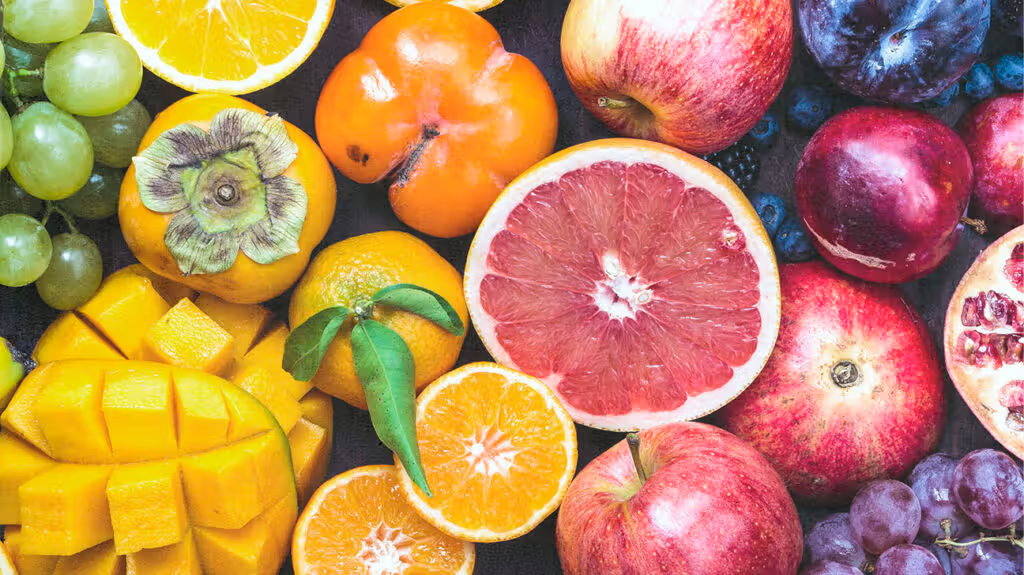
This section highlights fruits that are safe, nutritious, and highly beneficial for people managing diabetes. Each fruit listed below is either low or moderate on the glycemic index (GI), rich in fiber, vitamins, and antioxidants, making them suitable for stabilizing blood sugar while offering overall health benefits.
1. Berries
Berries including blueberries, strawberries, raspberries, and blackberries are often considered superfoods for people with diabetes.
- GI: 25–40 (low).
Nutritional Value
Berries are packed with fiber, vitamin C, manganese, and antioxidants like anthocyanins, which give them their rich colors.
Benefits for Diabetics
- Blood Sugar Regulation: Anthocyanins in berries enhance insulin sensitivity, which helps the body process glucose more efficiently.
- High Fiber Content: Fiber slows down digestion and sugar absorption, preventing sudden spikes.
- Heart Health: Since diabetics are at higher risk of heart problems, berries support cardiovascular health by reducing cholesterol and blood pressure.
- Weight Management: Low in calories but high in satiety, making them perfect for snacking.
Best Ways to Eat
Add fresh berries to oatmeal, Greek yogurt, or a smoothie. Frozen berries can also be used without losing much of their nutritional value.
2. Apples
The classic saying “an apple a day keeps the doctor away” holds true, especially for people with diabetes.
- GI: 36–40.
Nutritional Value
Apples contain dietary fiber (especially pectin), vitamin C, and polyphenols that work together to support metabolic health.
Benefits for Diabetics
- Slows Sugar Absorption: The soluble fiber in apple skin reduces glucose spikes.
- Polyphenols: These compounds help stimulate insulin production and regulate blood sugar.
- Gut Health: Apples promote healthy gut bacteria, which indirectly improves metabolic balance.
Best Ways to Eat
Consume apples raw, with the skin on. Pairing an apple with peanut butter or almonds makes a balanced snack. Avoid apple juice, which lacks fiber and spikes sugar.
3. Pears
Pears are another fiber-rich fruit that helps in controlling blood glucose.
- GI: 33–38.
Nutritional Value
Rich in dietary fiber, vitamin C, copper, and potassium, pears are both hydrating and nutrient-dense.
Benefits for Diabetics
- Blood Sugar Stability: Soluble fiber helps manage sugar absorption.
- Weight-Friendly: Low in calories and high in satiety, which aids in weight control.
- Gut Health: Their fiber supports healthy digestion, preventing constipation often linked with diabetic diets.
Best Ways to Eat
Eat pears raw, slice into salads, or poach them lightly. Always keep the skin for maximum fiber intake.
4. Oranges & Citrus Fruits
Citrus fruits such as oranges, grapefruits, lemons, and tangerines are refreshing and diabetic-friendly.
- GI: 35–45.
Nutritional Value
Loaded with vitamin C, folate, potassium, and antioxidants like flavonoids.
Benefits for Diabetics
- Vitamin C Boost: Enhances immunity and reduces inflammation.
- Hydration: High water content helps regulate metabolism.
- Heart Health: Grapefruit has been shown to improve insulin sensitivity.
- Fiber Content: Eating the fruit (not juice) ensures better glucose regulation.
Best Ways to Eat
Enjoy oranges or grapefruits whole. Lemon water can also be refreshing without spiking blood sugar. Avoid packaged orange juice with added sugars.
5. Kiwi
Kiwi is a vibrant green fruit that provides multiple health benefits.
- GI: 50 (moderate but safe).
Nutritional Value
Rich in vitamin C, vitamin K, potassium, and fiber.
Benefits for Diabetics
- Immune Support: Vitamin C strengthens the immune system.
- Digestive Aid: Soluble fiber supports digestion and prevents constipation.
- Blood Sugar Control: Its fiber slows sugar release despite moderate GI.
Best Ways to Eat
Eat kiwi raw with seeds; blend into a smoothie; or add to fruit salads for a tangy twist.
6. Guava
Guava is one of the most recommended fruits for diabetics due to its very low GI.
- GI: 12–24 (very low).
Nutritional Value
Extremely high in vitamin C (higher than oranges), dietary fiber, and antioxidants.
Benefits for Diabetics
- Blood Sugar Control: Low GI makes it one of the safest fruits for diabetics.
- Gut Health: Fiber promotes digestion and prevents constipation.
- Immune Support: Vitamin C boosts resistance to infections.
Best Ways to Eat
Eat guava raw or in salads. Guava leaves tea is also known to help regulate blood sugar.
7. Papaya
Papaya is a tropical fruit with digestive and antioxidant benefits.
- GI: 60 (moderate but portion-controlled).
Nutritional Value
Contains vitamin A, vitamin C, folate, and the enzyme papain.
Benefits for Diabetics
- Antioxidant Power: Neutralizes free radicals that cause cellular damage.
- Digestive Aid: Papain helps break down proteins, improving digestion.
- Eye Health: Rich in beta-carotene for vision support.
Best Ways to Eat
Consume small portions of ripe papaya. Combine with nuts or yogurt to balance sugar absorption.
8. Peaches & Plums
These juicy stone fruits are both delicious and diabetic-friendly.
- GI: 28–40.
Nutritional Value
Provide vitamins A, C, potassium, and antioxidants.
Benefits for Diabetics
- Hydrating: High water content keeps you refreshed.
- Skin Health: Vitamins and antioxidants promote healthy skin.
- Low in Calories: Great option for weight-conscious diabetics.
Best Ways to Eat
Eat fresh as a snack, or slice into salads. Avoid canned peaches in syrup.
9. Cherries
Cherries are among the lowest GI fruits, making them excellent for diabetes.
- GI: 22 (low).
Nutritional Value
Rich in anthocyanins, fiber, and vitamin C.
Benefits for Diabetics
- Blood Sugar Regulation: Anthocyanins help regulate glucose.
- Anti-Inflammatory: Useful for reducing inflammation in diabetics.
- Sleep Support: Contain melatonin, which may improve sleep quality.
Best Ways to Eat
Eat fresh cherries or add to oatmeal. Avoid candied or syrup-packed cherries.
10. Avocado
Although technically a fruit, avocado stands out because it is low in sugar and high in healthy fats.
- GI: Near zero.
Nutritional Value
High in monounsaturated fats, fiber, potassium, and folate.
Benefits for Diabetics
- Blood Sugar Stability: Very low carb content prevents sugar spikes.
- Heart Health: Healthy fats reduce bad cholesterol.
- Satiety: Keeps you full for longer, preventing overeating.
Best Ways to Eat
Use avocado in salads, on whole-grain toast, or in smoothies.
11. Apricots
Small yet nutrient-dense, apricots are great for portion-controlled snacks.
- GI: 34.
Nutritional Value
Contain beta-carotene, potassium, and vitamin C.
Benefits for Diabetics
- Low Sugar: Naturally low in sugar and calories.
- Heart & Eye Health: Beta-carotene protects vision and heart health.
- Portion Friendly: Their small size makes portion control easier.
Best Ways to Eat
Eat fresh apricots as snacks or add to salads. Avoid dried apricots, which are sugar-dense.
12. Dragon Fruit
Dragon fruit, also called pitaya, is both exotic and diabetic-friendly.
- GI: 48–52.
Nutritional Value
Rich in vitamin C, magnesium, and prebiotic fibers.
Benefits for Diabetics
- Gut Health: Prebiotic fibers feed good bacteria in the gut.
- Immune Boost: High antioxidants strengthen immunity.
- Weight Control: Low-calorie and hydrating.
Best Ways to Eat
Scoop out the flesh and eat fresh, or add to smoothies.
13. Pomegranate
Pomegranate is often referred to as a superfruit due to its powerful antioxidants.
- GI: 53.
Nutritional Value
Packed with polyphenols, vitamin C, potassium, and fiber.
Benefits for Diabetics
- Heart Health: Protects arteries and reduces cholesterol.
- Anti-Inflammatory: Polyphenols fight inflammation.
- Blood Sugar Control: Safe when eaten in moderation due to its fiber.
Best Ways to Eat
Eat the seeds raw, sprinkle over salads, or mix with yogurt. Avoid packaged pomegranate juices with added sugar.
Fruits to Limit or Avoid in Diabetes
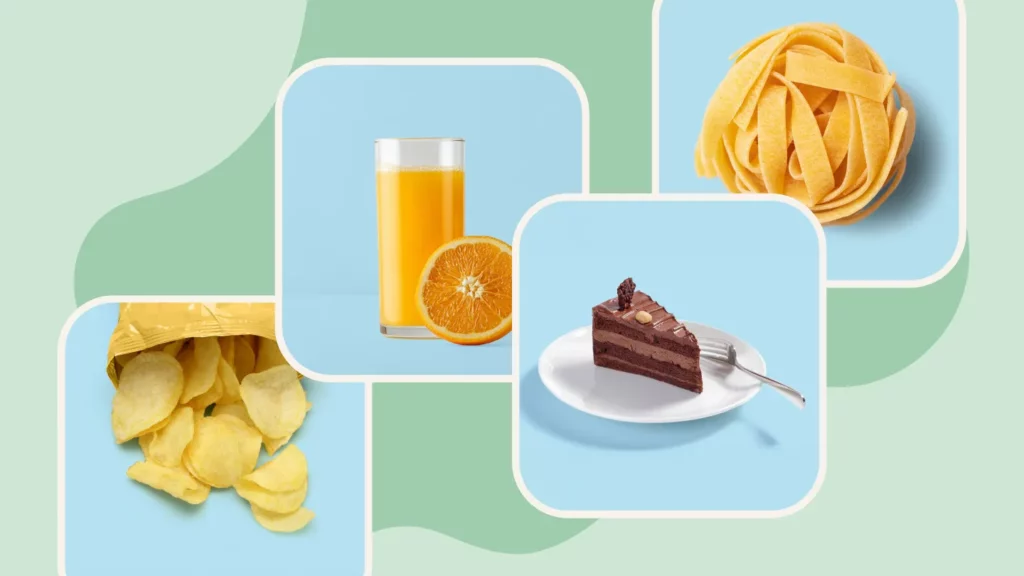
While fruits are generally healthy, some can cause rapid sugar spikes:
- Watermelon – GI 72 (high).
- Pineapple – GI 65.
- Overripe Bananas – Higher sugar concentration.
- Mangoes (excess) – Delicious but should be limited.
- Dried Fruits (raisins, dates, figs) – Sugar-dense and calorie-heavy.
- Fruit Juices – Lack fiber, leading to quick spikes.
How to Incorporate Fruits in a Diabetic Diet
- Portion sizes: Half an apple, 1 cup of berries, or 1 medium orange.
- Pairing strategy: Combine fruits with nuts, seeds, or Greek yogurt to slow sugar absorption.
- Timing: Best consumed between meals or as snacks, not on an empty stomach.
- Recipes:
- Fruit & nut salad.
- Smoothies with unsweetened almond milk.
- Greek yogurt with berries and flaxseeds.
Additional Lifestyle Tips for Diabetics
- Balanced diet: Focus on whole grains, lean proteins, and leafy greens.
- Exercise: Improves insulin sensitivity and burns excess glucose.
- Hydration: Drink plenty of water to regulate metabolism.
- Sleep & stress control: Poor sleep raises insulin resistance; stress hormones can spike sugar.
Must Read:
- Diabetes Food Hub: Simple Meals for Blood Sugar Control
- Recipes for Diabetics: Easy and Tasty Meals
- Does Daily Mango Raise Your Blood Sugar?
FAQs:
Q1. Can diabetics eat fruits daily?
Yes, but portion control is key. Choose low-GI fruits and balance them with other foods.
Q2. Which fruit lowers blood sugar quickly?
Guava and berries are particularly effective due to their fiber and antioxidant content.
Q3. Are bananas safe for diabetics?
Unripe or slightly ripe bananas in small portions are fine; overripe ones should be avoided.
Q4. Is fruit juice healthy for diabetics?
No. Juices remove fiber, causing quick sugar spikes. Whole fruits are always better.
Q5. What is the best time to eat fruits?
Mid-morning or as an afternoon snack with protein or nuts for balance.
Q6. Which fruits are lowest in sugar?
Avocado, guava, berries, and cherries are excellent low-sugar options.
Conclusion:
Fruits should not be feared by diabetics. Instead, they should be chosen wisely. Low and medium GI fruits such as berries, apples, pears, citrus fruits, cherries, and guava provide essential nutrients without causing harmful sugar spikes. Portion control, pairing fruits with proteins or healthy fats, and avoiding high-GI fruits like watermelon or pineapple in excess are key to safe consumption.
Living with diabetes does not mean giving up on sweet and delicious foods—it simply means eating them in a balanced, thoughtful way. By incorporating the right fruits into your diet, you can manage blood sugar, enjoy better health, and still satisfy your cravings naturally.