Managing blood sugar levels has become a priority for many people today. The right food choices can make a real difference in the way your body handles glucose, and fruits often play a bigger role than most people realise. Many assume fruits are too sweet to support blood sugar balance, but several fruits offer slow-releasing natural sugars along with fibre, antioxidants and nutrients that help your body respond better to glucose.
The key is to understand which fruits support stable blood sugar and why they work differently from refined sugars. When your diet includes low-GI fruits, your body gets steady energy without sudden spikes. This helps you feel more energetic, prevents sudden hunger, and supports healthy weight management. These fruits are also packed with vitamins and minerals that improve overall metabolic health.
This article explains the best blood sugar level control fruits in detail, how they work, how to include them in your diet and what to avoid. Everything is written in a simple, easy-to-follow way so you can make confident decisions about your daily fruit intake.
Understanding Blood Sugar Levels
Your blood sugar level shows the amount of glucose circulating in your bloodstream at any given time. Glucose is your body’s main energy source, but levels can rise and fall depending on what you eat, how active you are and how well your body uses insulin.
Several factors influence blood sugar throughout the day. Refined carbs and sugary drinks cause levels to rise quickly. Stress, poor sleep, dehydration and lack of physical activity can also push levels higher. On the other hand, fibre-rich foods, balanced meals and light activity after eating help stabilise glucose.
Choosing the right fruits can support healthier sugar responses. Fruits contain natural sugars, but the fibre present in them slows down absorption. This means glucose enters the bloodstream gradually, preventing sudden spikes.
Some important terms to understand include:
• Glycaemic Index (GI): Measures how quickly a food raises blood sugar. Low-GI fruits are ideal.
• Glycaemic Load (GL): Considers portion size along with GI.
• Fructose: Natural sugar found in fruits.
• Soluble fibre: Slows digestion and stabilises glucose.
Understanding these basics helps you choose fruits that support consistent energy and healthy sugar control.
How Fruits Help Control Blood Sugar?
The natural sugar in fruits is packaged with fibre, water and nutrients that slow its absorption. This makes fruits very different from refined sugar, sweets or sugary drinks that hit the bloodstream instantly. Fruits with low or medium GI release energy slowly, making them ideal for stable glucose levels.
Fibre plays a key role. When you eat fibre-rich fruits, your stomach digests food at a slower pace. Soluble fibre forms a gel-like texture that prevents sudden sugar spikes. Many fruits also contain polyphenols, which support better insulin sensitivity. These antioxidants help your cells use glucose more effectively.
Some fruits have a low GI because their sugar content is balanced by water and fibre. Others offer metabolic benefits by reducing inflammation, supporting digestion and improving gut health. All these factors together make fruits an important part of a balanced diet for blood sugar control.
However, portion control still matters. Even low-GI fruits can raise blood sugar if eaten in excess. The best approach is to combine fruits with protein or healthy fats for even better stability.
Criteria for Choosing Fruits for Blood Sugar Control
Not all fruits affect blood sugar the same way. Low and medium GI fruits are generally the best choices. These fruits release glucose slowly, helping your body maintain more consistent levels. Fruits with high soluble fibre content offer extra benefits because fibre slows digestion.
Vitamins and antioxidants also matter. Fruits rich in vitamin C, flavonoids and polyphenols support metabolic health, reduce inflammation and improve insulin response. These nutrients work in your favour when choosing fruits to support stable blood sugar.
Whole fruits are always better than fruit juices. Juicing removes fibre, leaving behind a concentrated sugar liquid that can spike glucose quickly. Eating fruits in their whole form gives you the complete benefits of fibre, water content and nutrients.
A balanced daily portion includes one to two servings of fruit. Spreading these servings throughout the day helps prevent sudden spikes and gives your body consistent energy. Pairing fruits with nuts or yoghurt can improve blood sugar balance even further.
Best Fruits for Blood Sugar Level Control
Below are the top fruits that support healthy sugar balance. Each fruit contains a unique set of nutrients that help your body manage glucose more effectively.
1. Berries
Berries are some of the best blood sugar level control fruits because they have a naturally low GI and are packed with fibre. Blueberries, strawberries, raspberries and blackberries all contain antioxidants that support insulin sensitivity. These antioxidants help your cells respond to glucose better, reducing spikes after meals.
Their high fibre content slows digestion, giving your body more time to process sugars. Berries are also rich in vitamins that support immunity and heart health. They work well as snacks, smoothie additions or toppings for yoghurt. Their low-calorie nature makes them great for weight control too, which is another key factor in managing blood sugar.
2. Apples
Apples contain pectin fibre, which helps slow digestion and support healthy sugar release. They are easy to carry, affordable and widely available, making them one of the most practical fruits for daily consumption. Apples also help control hunger by keeping you fuller for longer.
Different apple varieties offer slightly different benefits, but most have a medium to low GI. Their skin is rich in antioxidants and fibre, so eating them unpeeled gives you the most benefits. Apples also support digestive health and gut balance, both important for stable glucose control.
3. Pears
Pears are an excellent source of soluble and insoluble fibre. Soluble fibre helps reduce sugar absorption, while insoluble fibre supports digestion. Together, they make pears a great option for people who want consistent blood sugar levels.
Pears are gentle on the stomach and offer vitamins such as vitamin C and potassium. They support hydration because of their high water content. Ripe pears have a satisfying sweetness without causing a rapid spike in glucose. Eating them whole allows you to enjoy both the pulp and the fibre-rich skin.
4. Oranges
Despite their sweet taste, oranges have a low GI because they contain fibre and natural compounds that slow sugar release. Oranges are rich in vitamin C, which supports immune health and reduces oxidative stress. This can indirectly support better metabolic responses.
Choosing whole oranges instead of orange juice is important because the fibre in the fruit plays a key role in stabilising blood sugar. Oranges are refreshing, hydrating and ideal for snacks between meals. Their combination of fibre, water and vitamins helps your body maintain healthier glucose levels.
5. Grapefruit
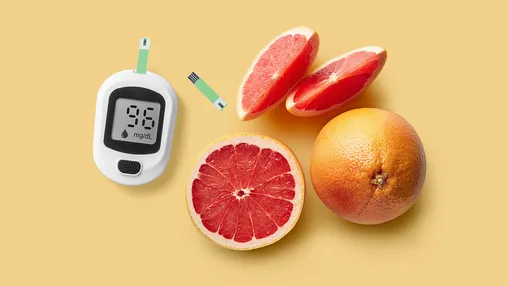
Grapefruit is one of the lowest GI fruits available. It contains naringenin, a compound that supports better insulin response. This makes grapefruit a strong choice for people wanting steady sugar levels. It also offers vitamin C and antioxidants that support overall wellness.
Grapefruit works well as a morning fruit because it provides gentle energy without causing spikes. Some medications interact with grapefruit, so it’s advisable to check with a doctor if you take daily prescriptions. Otherwise, grapefruit can be a great addition to your routine.
6. Kiwi
Kiwi supports blood sugar control because of its high fibre content and vitamin C levels. It provides slow sugar release and supports digestive health. Kiwi also contains antioxidants that help reduce inflammation, which benefits metabolic health.
The tiny black seeds in kiwi add to its fibre content, making it even more effective at slowing down glucose absorption. Kiwi is refreshing, low-calorie and nutrient-dense, making it a smart fruit choice for daily snacking.
7. Avocado
Avocado is technically a fruit, and it stands out because it contains healthy fats, fibre and minimal sugar. These qualities make it one of the best fruits for stabilising glucose. The healthy fats in avocado help slow digestion, preventing quick sugar rises.
Avocado also keeps you full for longer, which helps prevent unnecessary snacking. It works well in salads, sandwiches or spreads. Its combination of fibre, healthy fats and vitamins makes it a valuable part of a blood sugar-friendly diet.
8. Cherries
Cherries have a low GI and contain antioxidants that help reduce inflammation. They support better insulin activity and help your body manage glucose more effectively. Cherries also provide vitamins and nutrients that support heart and metabolic health.
Fresh cherries are better than dried ones, which often contain added sugar. A moderate portion helps provide sweetness without causing rapid glucose rises. They work well as a dessert replacement or snack.
9. Peaches
Peaches offer medium GI values and contain both fibre and antioxidants. Fresh peaches support digestion, help your body handle glucose gradually and provide vitamins such as vitamin A and vitamin C. They support skin health and hydration due to their water content.
Canned peaches often contain added sugar, so fresh peaches are always the healthier option. Peaches make a great snack or addition to salads, yoghurt or smoothies.
10. Plums
Plums support metabolic health because they contain antioxidants and fibre. They improve digestion and help regulate how your body processes sugar. Plums also support heart health and hydration.
Prunes (dried plums) have a different effect because the sugar content becomes concentrated when dried. This makes prunes higher in glucose impact than fresh plums. If you’re focused on blood sugar control, fresh plums are the better choice.
11. Guava
Guava is one of the most fibre-rich fruits. This makes it very effective for stabilising blood sugar. The fibre slows digestion and supports better glucose control, while the vitamins support immunity and digestive health.
Guava can help reduce fasting sugar levels when included regularly. Eating it with the seeds provides the highest fibre benefit. It’s filling, hydrating and nutritious, making it ideal for daily consumption.
12. Papaya
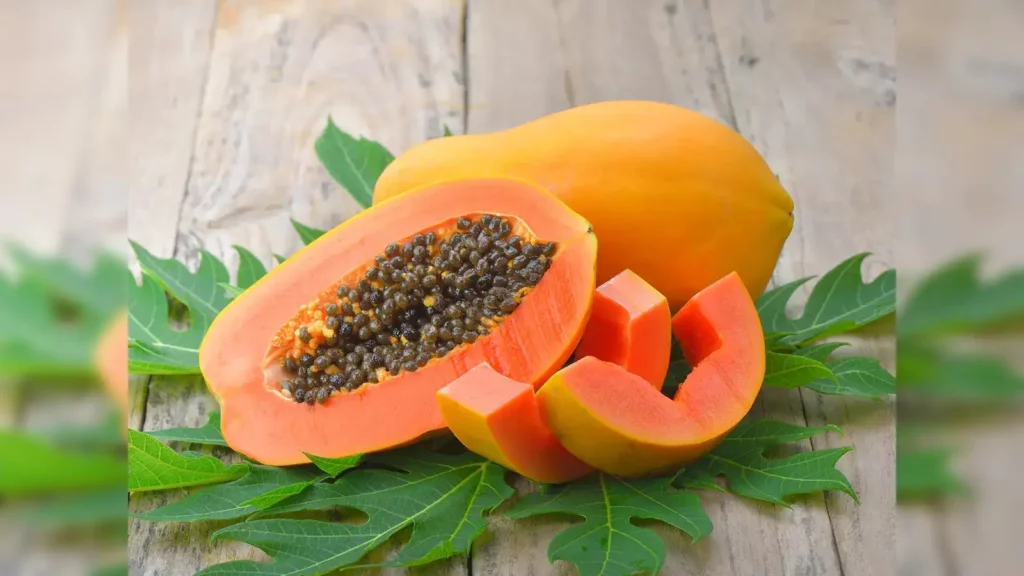
Papaya has a low GI and contains antioxidants that support pancreatic health. It is gentle on the digestive system and provides fibre that helps stabilise glucose. Papaya also supports gut health and reduces inflammation.
Its natural sweetness makes it a good choice for those wanting sweet fruits without sugar spikes. It works well as a breakfast fruit or mid-day snack.
13. Jamun (Black Plum)
Jamun has long been valued for its blood sugar stabilising properties. It helps improve insulin activity and supports overall metabolic balance. Jamun also contains compounds that may reduce sugar levels naturally.
It is seasonal, so availability can vary, but consuming it when in season is beneficial. Jamun offers fibre and nutrients that make it a powerful fruit for sugar management.
Fruits to Limit for Blood Sugar Management
Some fruits raise blood sugar more quickly than others. Fruits such as pineapple, lychee and watermelon have higher GI scores and should be eaten in small amounts. These fruits are not harmful but may cause quicker glucose rises if consumed in larger portions.
Dried fruits are another category to limit. Removing water concentrates sugars, making even small amounts higher in glucose impact. Raisins, figs and dates can raise blood sugar quickly.
Fruit juices also cause rapid spikes because they lack fibre. Smoothies made with only fruit can have the same effect. Replacing juices with whole fruits helps maintain stable glucose levels.
When cravings appear, low-GI alternatives such as berries or apples often work better for balance.
How to Include Fruits in a Blood Sugar-Friendly Diet?
The best time to eat fruits for blood sugar control is earlier in the day or between meals. This gives your body more time to use the energy without it turning into fat. Pairing fruits with foods like nuts, seeds, yoghurt or nut butter helps slow digestion and supports steadier glucose responses.
You can reduce sugar spikes by choosing fruits with higher fibre content. Eating fruits with their skin, when possible, also improves fibre intake. Portion control matters, so stick to one or two servings spread across the day.
For snacks, a small apple with nuts or berries mixed with yoghurt works well. Reading portions carefully helps you enjoy fruits without overconsumption.
Sample 7-Day Fruit Plan for Blood Sugar Control
Day 1:
• Morning: Apple
• Afternoon: Berries
• Evening: Papaya
Day 2:
• Morning: Guava
• Afternoon: Pear
• Evening: Kiwi
Day 3:
• Morning: Orange
• Afternoon: Avocado
• Evening: Cherries
Day 4:
• Morning: Grapefruit
• Afternoon: Plum
• Evening: Peach
Day 5:
• Morning: Jamun (seasonal)
• Afternoon: Strawberry bowl
• Evening: Small papaya serving
Day 6:
• Morning: Kiwi
• Afternoon: Apple with almonds
• Evening: Berries
Day 7:
• Morning: Pear
• Afternoon: Orange
• Evening: Guava
This weekly plan offers variety, fibre and balanced sugars.
Additional Lifestyle Tips for Better Blood Sugar Levels
Hydration plays an important role in glucose management. When your body is dehydrated, blood sugar becomes more concentrated. Drinking enough water supports better metabolic responses.
Getting enough sleep helps regulate hormones that control hunger and sugar levels. Stress can raise glucose, so relaxation methods help. Light exercise after meals helps your body use glucose more efficiently. Balanced meals with protein and fibre prevent spikes.
Limiting refined carbs and sugary foods works in your favour. Combining fruit intake with these lifestyle habits gives you a stronger foundation for stable blood sugar.
Common Myths About Fruits and Blood Sugar
Myth 1: All fruits raise blood sugar quickly.
Many fruits release sugar slowly due to their fibre and water content.
Myth 2: People with diabetes must avoid fruits.
They can enjoy fruits with low GI and proper portions.
Myth 3: Sweet fruit equals high sugar spike.
Taste does not always indicate GI response.
Myth 4: Fruit juices are equal to whole fruits.
Juices lack fibre, making them spike glucose much faster.
Myth 5: Only low-GI fruits should be eaten.
Portion size and combinations matter just as much.
Must Read:
FAQs:
1. Which fruit lowers blood sugar the fastest?
Berries and grapefruit often offer quick stabilising effects because of their low GI and antioxidants.
2. Can people with diabetes eat bananas?
Yes, but small bananas or half portions are better because bananas have a medium GI.
3. Which fruits should be avoided for high sugar?
Pineapple, watermelon and lychee should be eaten in limited quantities.
4. Should fruits be taken before or after meals?
Fruit between meals or paired with protein works best for sugar stability.
5. Are dried fruits bad for sugar control?
They are high in concentrated sugar, so small quantities only.
6. Can fruits replace dessert?
Yes. Fruits like berries or peaches make excellent dessert alternatives.
Conclusion:
Fruits play an important role in maintaining stable blood sugar. Choosing low-GI fruits such as berries, apples, pears, oranges, kiwi and guava helps you enjoy sweetness without rapid sugar spikes. Their fibre, antioxidants and water content work together to support healthier glucose responses.
The best approach is balance. Whole fruits eaten in sensible portions support energy, digestion and metabolic health. Pairing fruits with protein or healthy fats enhances their benefits even more. With the right fruit choices and consistent habits, you can maintain healthy blood sugar levels naturally and enjoy a wide variety of flavours every day.