Managing blood sugar levels is a key part of maintaining good health, especially for individuals with diabetes, prediabetes, or metabolic syndrome. Elevated blood glucose can damage blood vessels, nerves, and organs over time, leading to complications such as heart disease, kidney problems, and vision issues. While medication is sometimes necessary, lifestyle changes particularly dietary choices play a central role in blood sugar control.
The foods we eat directly influence how our body processes glucose. Some foods trigger rapid spikes, while others promote stable levels by slowing digestion and improving insulin sensitivity. Fortunately, nature provides a wide range of nutrient-rich foods that can naturally support healthy blood sugar balance.
In this article, we’ll explore five scientifically backed foods that help lower blood sugar levels naturally. Each section will explain why these foods work, what nutrients they contain, how to include them in your diet, and practical meal ideas. We’ll also review some bonus options, provide FAQs, and wrap up with a clear action plan.
1. Leafy Greens (Spinach, Kale, Fenugreek Leaves, and More)
Why Leafy Greens Are Beneficial
Leafy greens are among the most nutrient-dense foods available. Vegetables such as spinach, kale, collard greens, and fenugreek leaves are low in calories and carbohydrates while being high in fiber, magnesium, and antioxidants. These properties make them ideal for blood sugar control.
Research shows that consuming magnesium-rich foods improves insulin sensitivity, helping the body use glucose more effectively. Fiber in greens slows digestion, preventing blood sugar spikes after meals. In addition, antioxidants like vitamin C and beta-carotene help reduce oxidative stress, which is often elevated in people with diabetes.
Supporting Research
A 2010 study published in the BMJ found that people who ate at least one and a half servings of leafy greens daily had a 14% lower risk of developing type 2 diabetes compared to those who consumed less. This highlights their preventive and therapeutic benefits.
Practical Tips for Adding Leafy Greens
- Add spinach or kale to smoothies for a nutrient boost without altering flavor significantly.
- Use fenugreek leaves in curries or soups, as they have blood sugar-lowering properties backed by traditional medicine.
- Prepare salads with a mix of leafy greens, olive oil, and lemon juice for a filling, low-carb meal.
- Incorporate sautéed greens as a side dish to balance higher-carb foods.
2. Berries (Blueberries, Strawberries, Raspberries)
Why Berries Are Beneficial
Unlike many fruits that can raise blood sugar quickly, berries are naturally low in glycemic index (GI) and packed with fiber and antioxidants. They contain anthocyanins plant compounds that may improve insulin response and reduce post-meal glucose spikes.
Berries are also rich in vitamin C, which supports immune health and reduces inflammation, both of which are important for people with diabetes or metabolic concerns.
Supporting Research
A 2016 study in the Journal of Nutrition demonstrated that consuming blueberries improved insulin sensitivity in obese, insulin-resistant individuals. Similarly, raspberries have been shown to reduce glucose and insulin responses when eaten with carbohydrate-rich meals.
Practical Tips for Adding Berries
- Eat a handful of fresh berries as a snack instead of processed sweets.
- Top plain Greek yogurt or oatmeal with blueberries or strawberries for a balanced breakfast.
- Add frozen berries to smoothies for natural sweetness without added sugar.
- Mix raspberries into chia seed pudding for a fiber-rich dessert.
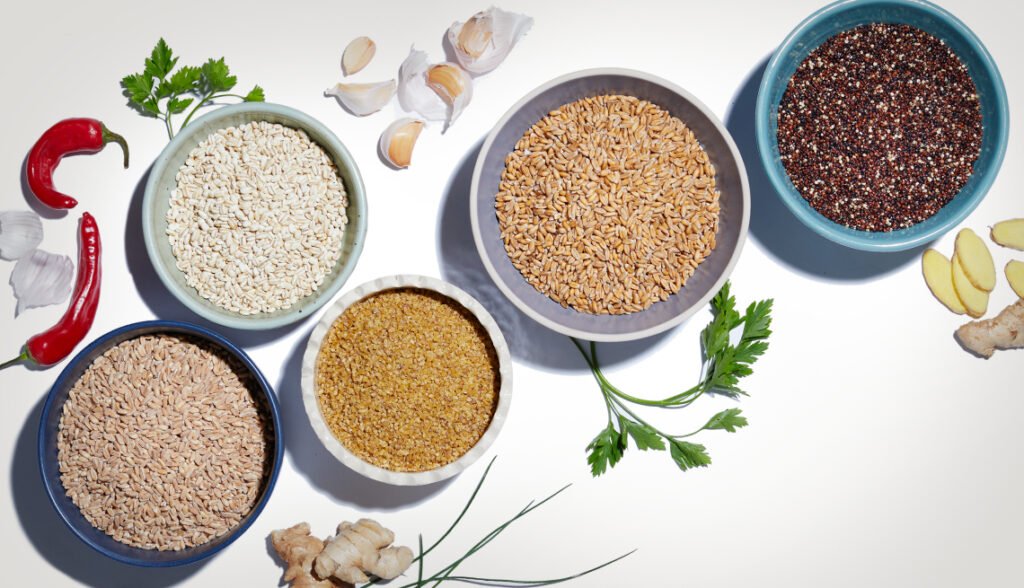
3. Whole Grains (Oats, Quinoa, Brown Rice)
Why Whole Grains Are Beneficial
Whole grains differ from refined grains because they contain the bran, germ, and endosperm. This structure provides fiber, vitamins, minerals, and phytonutrients that slow digestion and prevent sharp blood sugar spikes.
Whole grains like oats, quinoa, and brown rice are especially rich in soluble fiber, which forms a gel-like substance in the digestive system that slows glucose absorption. Additionally, whole grains promote satiety, helping reduce overeating and weight gain both of which affect blood sugar levels.
Supporting Research
According to a 2018 review in the journal Nutrients, people who consume more whole grains have a reduced risk of type 2 diabetes. Oats, in particular, contain beta-glucan, a soluble fiber proven to improve glycemic control and insulin sensitivity.
Practical Tips for Adding Whole Grains
- Replace refined rice with brown rice or quinoa in meals.
- Start the day with steel-cut oats topped with nuts and seeds for a blood sugar-friendly breakfast.
- Use whole-grain bread or tortillas instead of white flour versions.
- Try barley or millet in soups and stews as hearty, slow-digesting alternatives.
4. Legumes (Lentils, Chickpeas, Kidney Beans)
Why Legumes Are Beneficial
Legumes are an excellent source of plant-based protein, dietary fiber, and resistant starch. Resistant starch resists digestion in the small intestine, which helps lower post-meal blood glucose levels and promotes the growth of beneficial gut bacteria.
Legumes also have a low glycemic index, meaning they release glucose slowly into the bloodstream. The protein and fiber combination helps regulate appetite, preventing overeating and stabilizing energy levels.
Supporting Research
A 2012 study published in Archives of Internal Medicine found that individuals with type 2 diabetes who ate one cup of legumes daily for three months experienced better glycemic control and reduced cardiovascular risk factors compared to those who consumed whole wheat products.
Practical Tips for Adding Legumes
- Add lentils to soups and stews for a hearty, nutrient-rich boost.
- Make hummus from chickpeas as a healthy dip for vegetables.
- Toss kidney beans or black beans into salads and burrito bowls.
- Try sprouted legumes, which may further improve digestibility and nutrient availability.
5. Nuts & Seeds (Almonds, Walnuts, Flaxseeds, Chia Seeds)
Why Nuts and Seeds Are Beneficial
Nuts and seeds are nutrient-dense foods rich in healthy fats, protein, fiber, and magnesium. These nutrients help slow digestion, reduce sugar absorption, and improve insulin sensitivity.
For example, almonds have been shown to reduce post-meal glucose spikes, while walnuts contain omega-3 fatty acids that support heart health a major concern for people with diabetes. Seeds like flaxseeds and chia seeds provide soluble fiber and alpha-linolenic acid (ALA), which further aid in blood sugar regulation.
Supporting Research
A study in the European Journal of Clinical Nutrition found that people who consumed almonds with a high-carb meal had significantly lower post-meal blood glucose compared to those who didn’t. Similarly, flaxseed supplementation has been linked to improved fasting blood glucose levels.
Practical Tips for Adding Nuts & Seeds
- Eat a small handful of mixed nuts as a snack.
- Sprinkle chia seeds or flaxseeds into smoothies, yogurt, or oatmeal.
- Use nut butter (without added sugar) as a spread on whole-grain toast.
- Add walnuts to salads or baked dishes for extra crunch and nutrition.
Bonus Natural Helpers
While the five foods above are most supported by research, several other natural options may also help regulate blood sugar levels:
- Cinnamon: Contains bioactive compounds that mimic insulin and improve glucose transport.
- Apple Cider Vinegar: May lower post-meal blood sugar when consumed before carbohydrate-heavy meals.
- Green Tea: Contains catechins that improve insulin sensitivity and reduce oxidative stress.
- Garlic and Onions: Sulfur compounds in these vegetables may support improved glucose control.
Lifestyle Factors That Enhance the Effects of Blood Sugar-Friendly Foods
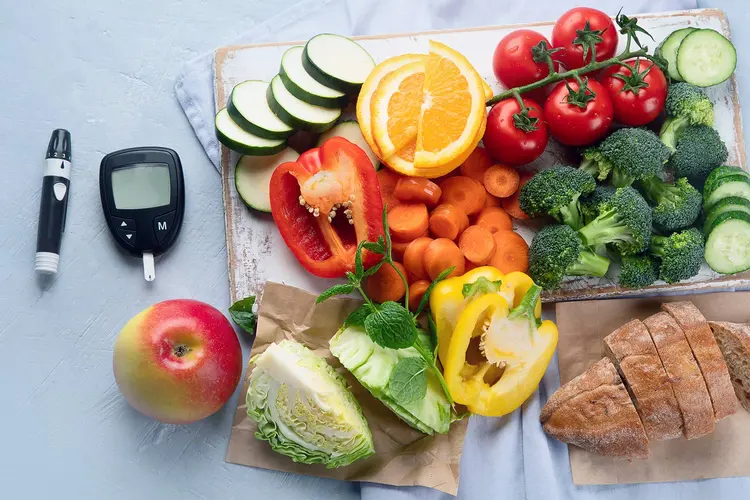
Eating the right foods is crucial, but lifestyle plays a big role in blood sugar management as well. To maximize the benefits of these foods:
- Maintain Regular Physical Activity – Exercise improves insulin sensitivity and helps the body use glucose more efficiently.
- Get Enough Sleep – Poor sleep can lead to insulin resistance and sugar cravings.
- Stay Hydrated – Drinking enough water supports kidney function and glucose balance.
- Manage Stress – Chronic stress raises cortisol, which can elevate blood sugar. Techniques like meditation, yoga, and deep breathing can help.
Must Read:
- Best Fruits for Diabetics: Tasty & Blood Sugar Friendly
- Diabetes Food Hub: Simple Meals for Blood Sugar Control
- Recipes for Diabetics: Easy and Tasty Meals
Frequently Asked Questions
1. Can these foods replace diabetes medication?
No. These foods can support better blood sugar control, but they should not replace prescribed medication. Always consult your healthcare provider before making changes to your treatment plan.
2. How quickly can I see results from eating these foods?
Results vary depending on individual health status, diet, and lifestyle. Some people may notice reduced sugar spikes within days, while long-term benefits like improved insulin sensitivity require consistent dietary changes over weeks to months.
3. Are fruits safe for people with diabetes?
Yes, but portion control matters. Low-glycemic fruits like berries, apples, and pears are better choices compared to high-sugar fruits such as mangoes or pineapples. Pairing fruit with protein or healthy fats can also slow sugar absorption.
4. How many nuts can I eat daily without raising calories too much?
A small handful (about 1 ounce or 28 grams) of unsalted nuts per day is generally considered safe and beneficial. Overeating nuts can increase calorie intake, which may affect weight management.
5. Are whole grains better than gluten-free grains for blood sugar?
Not necessarily. The key is choosing minimally processed whole grains, whether they contain gluten (like oats and barley) or not (like quinoa and brown rice). The fiber and nutrient content are what make them beneficial.
6. Can children and older adults also benefit from these foods?
Absolutely. A balanced diet with leafy greens, berries, whole grains, legumes, and nuts/seeds supports overall health at any age. However, portion sizes and preparation methods should be adjusted according to individual needs.
Conclusion:
Managing blood sugar levels naturally is not about strict restrictions it’s about making smarter food choices. The five foods discussed in this article leafy greens, berries, whole grains, legumes, and nuts/seeds are scientifically proven to promote stable glucose levels, improve insulin sensitivity, and reduce the risk of diabetes-related complications.
Incorporating these foods into daily meals can be simple and enjoyable. Whether it’s a spinach smoothie, a handful of walnuts, a quinoa salad, or a lentil soup, each addition contributes to better blood sugar control.
For best results, pair these dietary strategies with a healthy lifestyle that includes physical activity, adequate sleep, stress management, and regular medical checkups. Over time, these choices can significantly improve metabolic health, reduce the risk of diabetes, and support overall well-being.