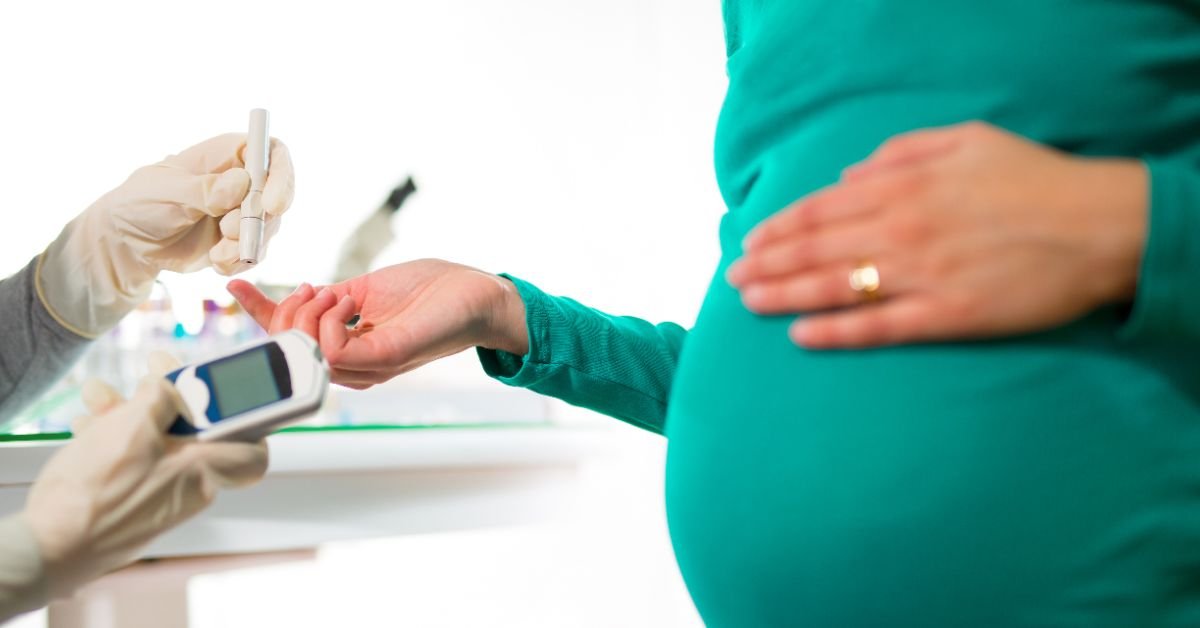
Many women become concerned about sugar levels during pregnancy, especially after hearing terms like blood sugar, glucose tests, or gestational diabetes. It is natural to wonder whether rising sugar levels are normal or a sign of a problem. Pregnancy brings major hormonal and metabolic changes, and blood sugar regulation is one of them.
Sugar in pregnancy is not automatically abnormal. The body adapts to support the growing baby, and these changes can temporarily affect how glucose is processed. Understanding what is normal, what needs monitoring, and how to support healthy blood sugar helps reduce anxiety and promotes better outcomes for both mother and baby.
This guide explains how blood sugar works during pregnancy, when changes are normal, when they require attention, and how to maintain balance safely.
Exploring Blood Sugar and Pregnancy
Before addressing whether sugar in pregnancy is normal, it is important to understand how blood sugar functions during this stage of life.
What Blood Sugar Means During Pregnancy
Blood sugar refers to the level of glucose circulating in the bloodstream. Glucose is the main energy source for the body and is essential for fetal growth and development. The baby depends entirely on the mother’s blood sugar for energy.
During pregnancy, the body prioritises steady glucose supply to the baby. This means the mother’s metabolism adjusts to ensure enough glucose is available at all times.
Hormonal Changes and Blood Sugar
Pregnancy hormones such as human placental lactogen, progesterone, and cortisol affect how insulin works. These hormones reduce insulin sensitivity so that more glucose stays in the bloodstream, ensuring continuous nourishment for the baby.
This insulin resistance is a normal biological adaptation. However, in some women, it becomes strong enough to raise blood sugar beyond healthy levels.
Why Blood Sugar Naturally Changes
As pregnancy progresses, especially in the second and third trimesters, insulin resistance increases. This means blood sugar levels may be slightly higher than before pregnancy, even with the same diet.
These changes are expected and carefully monitored during prenatal care to distinguish normal adaptation from potential problems.
Is Sugar in Pregnancy Normal?
Sugar levels in pregnancy often change, but not all increases are harmful. The key is understanding what is considered normal versus concerning.
Normal Blood Sugar Changes in Pregnancy
Mild increases in blood sugar, particularly after meals, are common during pregnancy. The body becomes less sensitive to insulin to keep glucose available for the baby.
As long as blood sugar remains within recommended pregnancy ranges, these changes are considered normal and healthy.
When Blood Sugar Levels Are Still Healthy
Blood sugar is considered healthy when fasting and post-meal levels stay within pregnancy-specific target ranges. These ranges are slightly different from non-pregnant values and are designed to protect both mother and baby.
Most pregnant women experience no complications and maintain normal blood sugar with routine care.
Temporary Sugar Spikes vs Ongoing Issues
Occasional blood sugar spikes after sugary or carbohydrate-heavy meals can happen. These temporary rises are not usually dangerous if levels return to normal quickly.
Consistently high readings, however, may indicate gestational diabetes and require further evaluation.
Normal Blood Sugar Ranges During Pregnancy
Understanding normal blood sugar ranges helps reduce confusion and unnecessary worry.
Normal Fasting Blood Sugar in Pregnancy
Fasting blood sugar is measured after not eating overnight. During pregnancy, fasting levels are expected to remain relatively low and stable.
Healthy fasting levels indicate effective overnight glucose regulation and proper insulin function.
Blood Sugar After Meals in Pregnancy
After eating, blood sugar naturally rises. In pregnancy, this rise may be slightly higher and last longer due to insulin resistance.
Healthy post-meal levels should peak moderately and gradually return toward baseline within a few hours.
Blood Sugar Levels Before Bed
Evening blood sugar levels should remain steady to support overnight energy needs. Large spikes late at night may disrupt sleep and glucose regulation.
Balanced dinners and portion control help maintain healthy night-time levels.
What Is Gestational Diabetes?
Gestational diabetes is a condition that develops during pregnancy when blood sugar levels rise higher than normal. It occurs because pregnancy hormones interfere with how insulin works in the body. Insulin is responsible for moving glucose from the bloodstream into cells for energy. When insulin becomes less effective, glucose builds up in the blood. Gestational diabetes does not mean a woman had diabetes before pregnancy, and it is not caused by eating sugar alone. With proper monitoring and care, most women manage gestational diabetes successfully and deliver healthy babies.
Definition of Gestational Diabetes
Gestational diabetes occurs when the body cannot produce enough insulin to overcome pregnancy-related insulin resistance. During pregnancy, placental hormones reduce insulin sensitivity so more glucose remains available for the baby. In some women, the pancreas cannot increase insulin production enough to compensate. As a result, blood sugar levels rise above healthy pregnancy ranges. Gestational diabetes usually develops during the second or third trimester and, in most cases, resolves after delivery. Proper management during pregnancy is essential to reduce risks and support healthy outcomes.
How Gestational Diabetes Differs from Normal Pregnancy Sugar
Normal pregnancy-related blood sugar changes are mild, temporary, and remain within safe ranges. Gestational diabetes involves consistently elevated blood sugar readings that do not return to normal without intervention. This distinction is important because prolonged high blood sugar can affect both maternal health and fetal development. Routine screening helps determine whether blood sugar changes are normal adaptations or require management. Early detection allows lifestyle changes or medical support to begin before complications arise, making prenatal screening an essential part of pregnancy care.
Who Is at Higher Risk
Several factors increase the risk of developing gestational diabetes. These include a family history of diabetes, being overweight before pregnancy, advanced maternal age, having had gestational diabetes in a previous pregnancy, and belonging to certain ethnic backgrounds. Conditions such as polycystic ovary syndrome may also increase risk. However, gestational diabetes can occur even in women with no known risk factors. This unpredictability is why universal screening is recommended for all pregnant women rather than testing only those considered high risk.
Causes of High Blood Sugar During Pregnancy
High blood sugar during pregnancy is influenced by hormonal changes and lifestyle factors. The body adapts to support fetal growth, which affects glucose metabolism. While insulin resistance is expected, additional factors such as diet, activity levels, stress, and sleep quality can further raise blood sugar. Understanding these causes helps women focus on manageable changes rather than unnecessary worry.
Hormonal Insulin Resistance
Placental hormones interfere with insulin action, making it harder for cells to absorb glucose from the bloodstream. This insulin resistance ensures a steady supply of glucose for the baby. In most women, the pancreas compensates by producing more insulin. When this compensation is insufficient, blood sugar rises. Hormonal insulin resistance increases as pregnancy progresses, especially during the third trimester, which explains why gestational diabetes usually develops later in pregnancy.
Diet and Sugar Intake
Diet strongly influences blood sugar levels during pregnancy. Refined carbohydrates and sugary foods digest quickly and cause rapid glucose spikes. Because insulin sensitivity is reduced, these spikes may be more pronounced. Balanced meals that include protein, fibre, and healthy fats slow digestion and help moderate blood sugar increases. This approach supports steady glucose levels without eliminating carbohydrates, which are important for energy and fetal development.
Physical Activity Levels
Reduced physical activity during pregnancy can worsen insulin resistance and contribute to higher blood sugar levels. Muscles use glucose for energy during movement, lowering blood sugar naturally. Gentle, regular activity improves insulin sensitivity and supports overall metabolic health. Even light exercise such as walking after meals can significantly improve glucose regulation without placing strain on the pregnancy when done safely.
Stress and Sleep
Stress and poor sleep have a strong impact on blood sugar regulation. Stress hormones signal the liver to release additional glucose into the bloodstream, raising blood sugar levels. Chronic stress keeps these hormones elevated. Poor sleep disrupts insulin sensitivity and appetite hormones, making glucose harder to control. Managing stress and prioritising quality sleep are important but often overlooked parts of blood sugar management during pregnancy.
Symptoms of High vs Normal Blood Sugar in Pregnancy

Symptoms may sometimes indicate blood sugar imbalance, but they are not always reliable. Many women with gestational diabetes feel completely normal. Because symptoms can be mild or absent, routine screening is essential for early detection and prevention of complications.
Signs of Normal Blood Sugar
Stable energy levels, manageable hunger, steady mood, and normal thirst often indicate healthy blood sugar regulation during pregnancy. Mild fluctuations are common and usually not concerning. Feeling generally well and balanced throughout the day suggests glucose levels are within healthy ranges. However, feeling well does not replace the need for routine testing.
Symptoms of High Blood Sugar
High blood sugar may cause excessive thirst, frequent urination, fatigue, blurred vision, or recurrent infections. These symptoms occur because excess glucose affects fluid balance and immune response. However, many pregnant women experience no symptoms at all, which makes testing essential regardless of how pregnancy feels.
When Symptoms Are Silent
Gestational diabetes is often symptom-free. Blood sugar may remain elevated without noticeable signs, yet still increase risks for mother and baby. Routine screening ensures early detection before complications develop, even when no symptoms are present.
How Blood Sugar Is Tested During Pregnancy
Blood sugar testing is a standard part of prenatal care. These tests help distinguish normal pregnancy-related changes from gestational diabetes and guide timely management when needed.
Routine Pregnancy Blood Sugar Tests
Most women are screened between 24 and 28 weeks of pregnancy, when insulin resistance naturally increases. Early screening may be recommended for women with risk factors. These tests help detect gestational diabetes early and reduce pregnancy-related complications through prompt care.
Glucose Challenge Test Explained
The glucose challenge test involves drinking a glucose solution and measuring blood sugar after one hour. It does not require fasting and serves as a screening tool. A high result indicates the need for further testing, not an immediate diagnosis.
Oral Glucose Tolerance Test
If screening results are elevated, the oral glucose tolerance test is used to confirm diagnosis. Blood sugar is measured at several intervals after consuming glucose. This test provides a detailed picture of how the body processes sugar over time.
Diet Guidelines for Healthy Blood Sugar in Pregnancy
Nutrition is central to maintaining healthy blood sugar levels during pregnancy. The focus is balance rather than restriction, ensuring adequate nutrients for both mother and baby.
Best Foods for Blood Sugar Balance
Protein, fibre-rich vegetables, whole grains, and healthy fats slow glucose absorption and support steady blood sugar. Balanced meals are more effective and sustainable than eliminating carbohydrates entirely.
Foods to Limit During Pregnancy
Sugary drinks, sweets, refined carbohydrates, and highly processed foods cause rapid glucose spikes. Limiting these foods helps improve blood sugar control while allowing flexibility in the diet.
Meal Timing and Portion Control
Eating smaller, regular meals prevents large blood sugar fluctuations. Spreading carbohydrate intake throughout the day supports stable energy and glucose regulation.
Role of Exercise in Pregnancy Blood Sugar Control
Exercise is a safe and effective way to support healthy blood sugar levels during pregnancy. As pregnancy progresses, hormonal changes naturally increase insulin resistance, making glucose regulation more challenging. Regular physical activity helps the body manage this change by improving how glucose is used for energy. Exercise also supports healthy weight gain, improves circulation, reduces stress, and enhances overall wellbeing. When performed correctly and with medical approval, movement becomes one of the most reliable natural tools for maintaining balanced blood sugar and reducing the risk of gestational diabetes complications.
How Exercise Helps Lower Blood Sugar
Exercise lowers blood sugar by encouraging muscles to use glucose directly for energy. When muscles are active, they absorb glucose from the bloodstream without relying heavily on insulin. This immediately reduces circulating blood sugar levels. Regular exercise also improves insulin sensitivity, allowing cells to respond more effectively to insulin throughout the day. These benefits continue even after activity ends, supporting longer-lasting blood sugar stability. For pregnant women, this process helps counteract pregnancy-related insulin resistance and reduces the likelihood of frequent glucose spikes.
Safe Exercises During Pregnancy
Many forms of exercise are considered safe during pregnancy when approved by a healthcare provider. Walking is one of the most accessible and beneficial options, as it is low-impact and easy to adjust. Swimming supports the body without placing strain on joints, while prenatal yoga improves flexibility and reduces stress. Light strength training helps maintain muscle mass, which supports glucose usage. Activities should always feel comfortable, avoid excessive strain, and be adapted as pregnancy progresses to ensure safety.
Exercise Frequency and Safety Tips
Regular moderate exercise most days of the week provides consistent blood sugar support without overexertion. Short sessions, such as 20 to 30 minutes, are often sufficient. Listening to the body is essential. Pregnant women should avoid overheating, stay hydrated, and stop exercising if discomfort, dizziness, or pain occurs. Medical guidance should always be followed, especially for women with pregnancy complications. Consistency matters more than intensity, and gentle daily movement delivers the best results.
Managing Gestational Diabetes Naturally
Lifestyle changes form the foundation of gestational diabetes management for many women. While medical treatment may be necessary in some cases, daily habits often play the most important role in controlling blood sugar levels. Natural management focuses on balanced nutrition, regular physical activity, stress reduction, and adequate rest. These approaches help stabilise glucose levels, support insulin function, and reduce risks for both mother and baby. Many women successfully manage gestational diabetes through lifestyle adjustments alone under medical supervision.
Lifestyle Changes That Help
A balanced diet that includes protein, fibre-rich vegetables, whole grains, and healthy fats supports steady blood sugar levels. Regular movement helps muscles use glucose efficiently, while stress reduction lowers hormone-driven glucose spikes. Adequate sleep improves insulin sensitivity and appetite regulation. Together, these lifestyle changes create a stable foundation for blood sugar control. The goal is not perfection but consistency, allowing the body to adapt gradually and maintain healthier glucose patterns throughout pregnancy.
Monitoring Blood Sugar at Home
Home blood sugar monitoring helps women understand how their body responds to food, activity, and daily routines. Regular testing reveals patterns that guide dietary choices and exercise timing. This information empowers women to make adjustments that improve control. Consistency in monitoring is more important than achieving perfect readings. Tracking trends allows healthcare providers to offer more personalised guidance and ensures that blood sugar levels remain within safe pregnancy ranges.
When Medication Is Needed
Some women require insulin or medication to maintain safe blood sugar levels despite lifestyle efforts. This does not mean failure. Pregnancy-related insulin resistance can be strong, and medication helps protect both mother and baby from complications. Insulin is considered safe during pregnancy and is often used when necessary. Medical guidance ensures that treatment is appropriate and adjusted as pregnancy progresses. The priority is maintaining healthy blood sugar, not avoiding medication at all costs.
Risks of Uncontrolled High Blood Sugar During Pregnancy

Managing blood sugar is essential because prolonged high levels increase the risk of complications. Uncontrolled gestational diabetes can affect both short-term pregnancy outcomes and long-term health. Early detection and proper management significantly reduce these risks. Understanding potential complications reinforces the importance of monitoring and consistent care throughout pregnancy.
Risks for the Mother
High blood sugar during pregnancy increases the risk of preeclampsia, excessive weight gain, and delivery complications such as the need for induced labour or caesarean section. Women with gestational diabetes also have a higher risk of developing type 2 diabetes later in life. Proper blood sugar management during pregnancy reduces these risks and supports better recovery after delivery.
Risks for the Baby
Uncontrolled blood sugar can lead to excessive fetal growth, increasing the likelihood of birth injuries or early delivery. Babies may also experience low blood sugar shortly after birth due to high insulin production in response to maternal glucose levels. Managing blood sugar during pregnancy reduces these risks and supports healthier newborn outcomes.
Long-Term Health Risks
Both mother and child may face increased long-term risk of type 2 diabetes if gestational diabetes is poorly managed. However, maintaining healthy habits during and after pregnancy significantly lowers this risk. Early intervention creates lasting health benefits for the entire family.
Myths About Sugar in Pregnancy
Misunderstandings about sugar in pregnancy often cause unnecessary fear or guilt. Clearing common myths helps women make informed, confident decisions about their health and care.
All Sugar Is Bad During Pregnancy
Not all sugar is harmful during pregnancy. Natural sugars from fruits and balanced meals are part of healthy nutrition. The focus should be moderation and food quality rather than complete elimination. Balanced eating supports steady blood sugar and fetal development.
Gestational Diabetes Means Diabetes Forever
Gestational diabetes does not usually mean lifelong diabetes. In most cases, blood sugar levels return to normal after delivery. However, healthy habits remain important to reduce future risk.
Feeling Fine Means Sugar Is Normal
Blood sugar issues can exist without symptoms. Feeling well does not guarantee normal glucose levels, which is why routine screening and monitoring are essential during pregnancy.
Supporting Healthy Blood Sugar After Pregnancy
Supporting healthy blood sugar does not stop after delivery. Although pregnancy hormones decline after childbirth, metabolic health still requires attention. Women who experienced elevated blood sugar or gestational diabetes have a higher lifetime risk of developing type 2 diabetes. The postpartum period is an important window to reset habits, support insulin sensitivity, and stabilise glucose levels. Proper nutrition, regular movement, adequate sleep, and follow-up testing help confirm recovery and protect long-term health. Continued awareness also supports energy levels, mood stability, and overall wellbeing while adjusting to the physical and emotional demands of new motherhood.
Blood Sugar After Delivery
After childbirth, blood sugar levels usually return to normal as placental hormones that caused insulin resistance are no longer present. This improvement often occurs within days or weeks. However, follow-up blood sugar testing is essential to confirm recovery, especially for women diagnosed with gestational diabetes. Some women may continue to experience mild glucose imbalance without obvious symptoms. Postpartum testing helps identify lingering issues early and ensures timely guidance. Monitoring during this phase provides reassurance and helps establish a baseline for long-term metabolic health beyond pregnancy.
Reducing Future Diabetes Risk
Women who experience gestational diabetes have an increased risk of developing type 2 diabetes later in life. However, this risk can be significantly reduced through healthy lifestyle habits. Balanced meals that stabilise blood sugar, regular physical activity, and gradual weight management all improve insulin sensitivity. Avoiding prolonged inactivity and maintaining consistent sleep patterns also support glucose regulation. Even small, sustainable changes practiced daily create meaningful long-term protection. Early action after pregnancy plays a critical role in preventing future metabolic disease.
Breastfeeding and Blood Sugar
Breastfeeding supports healthy blood sugar regulation by increasing energy expenditure and improving insulin sensitivity. Lactation requires additional calories, which helps the body use glucose more efficiently. Research shows that breastfeeding mothers often experience better metabolic recovery after pregnancy and reduced risk of developing type 2 diabetes. Breastfeeding also supports hormonal balance and weight regulation. While not mandatory for blood sugar control, breastfeeding offers additional metabolic benefits when possible and medically appropriate, supporting both maternal and infant health.
When to Talk to Your Doctor
Professional guidance is essential during pregnancy and after delivery to ensure blood sugar remains within safe ranges. While lifestyle habits play a strong role, medical evaluation provides clarity and reassurance. Knowing when to seek advice helps prevent complications and supports long-term health. Regular communication with healthcare providers ensures early detection, personalised guidance, and appropriate follow-up testing when needed.
Concerning Symptoms
Persistent thirst, unusual fatigue, frequent urination, blurred vision, or unexplained weakness should be discussed with a healthcare provider. These symptoms may indicate ongoing blood sugar imbalance even after delivery. Although symptoms are not always present, any unusual or persistent physical changes deserve evaluation. Early assessment helps prevent delayed diagnosis and supports faster correction of metabolic issues through timely guidance and care.
Abnormal Test Results
If blood sugar tests remain elevated after pregnancy, your healthcare provider will explain what the results mean and recommend next steps. This may include repeat testing, dietary adjustments, physical activity guidance, or further monitoring. Abnormal results do not automatically mean chronic disease, but they signal the need for attention. Clear communication and follow-up ensure appropriate management and reduce long-term health risks.
Importance of Regular Monitoring
Regular blood sugar monitoring protects long-term health for both mother and future pregnancies. Even after levels normalise, periodic testing helps track metabolic trends and identify early changes. Monitoring encourages accountability, supports healthier habits, and allows timely intervention if blood sugar begins to rise again. Consistent follow-up is especially important for women with a history of gestational diabetes, as early action significantly lowers future diabetes risk.
Scientific Research on Blood Sugar in Pregnancy
Scientific research continues to deepen understanding of how pregnancy affects blood sugar regulation. Studies confirm that glucose changes during pregnancy are driven by complex hormonal and metabolic adaptations. Ongoing research supports the role of lifestyle interventions in improving outcomes and reducing complications. Evidence-based care ensures that recommendations evolve alongside scientific knowledge, improving maternal and infant health worldwide.
What Research Shows
Research consistently shows that hormonal insulin resistance is a natural adaptation during pregnancy. Placental hormones temporarily reduce insulin sensitivity to ensure adequate glucose supply for fetal growth. In most women, the body compensates effectively. Gestational diabetes develops when compensation is insufficient. Understanding this biological process helps reduce stigma and emphasises that gestational diabetes is not caused by personal failure or poor choices alone.
Diet and Lifestyle Studies
Multiple studies confirm that balanced nutrition, regular physical activity, and stress management significantly improve blood sugar outcomes during pregnancy. Diets rich in fibre, lean protein, and healthy fats reduce glucose spikes, while moderate exercise improves insulin sensitivity. Lifestyle-based management has been shown to reduce complications for both mother and baby, often minimising the need for medication when implemented consistently.
Emerging Research Trends
Emerging research focuses on earlier screening, personalised nutrition, and continuous glucose monitoring to improve pregnancy care. Advances in wearable technology and individualised dietary guidance are shaping more precise blood sugar management strategies. These developments aim to identify risk earlier, tailor interventions, and improve long-term metabolic outcomes for mothers and children.
Must Read:
- Gestational Diabetes Diet: What to Eat Daily?
- Gestational Diabetes Effects on Baby
- What Happens If Gestational Diabetes Is Not Controlled?
Final Thoughts:
Yes, some increase in blood sugar during pregnancy is normal and expected. The body adapts to support the growing baby, and these changes are carefully monitored through routine prenatal care.
Understanding what is normal, following healthy habits, and attending regular check-ups help ensure a safe and healthy pregnancy. With awareness, balance, and guidance, most women manage blood sugar successfully and deliver healthy babies.