

Type 2 diabetes has become one of the most pressing global health concerns of our time. With over 500 million people worldwide living with the condition, the number continues to rise due to lifestyle changes, urbanization, and aging populations. Despite the availability of several treatment options, including oral medications, injectables, and insulin therapy, many patients still struggle to achieve stable blood sugar control.
For years, scientists and healthcare providers have emphasized the urgent need for new therapies drugs that not only lower glucose effectively but also address the root causes and long-term complications of diabetes. That is where the new pill for type 2 diabetes steps in.
This article explores this breakthrough in detail what it is, how it works, its benefits and risks, and why it could transform the future of diabetes care. By the end, you’ll have a clear picture of how this new oral treatment fits into the broader landscape of diabetes management.
What is Type 2 Diabetes?
Type 2 diabetes is a metabolic condition where the body either resists the effects of insulin (insulin resistance) or does not produce enough insulin to maintain normal blood glucose levels. Unlike type 1 diabetes, which is autoimmune in nature, type 2 is heavily influenced by lifestyle, diet, and genetics.
The Burden of the Disease
- Over 1.5 million deaths each year are directly linked to diabetes complications.
- Patients face risks of heart disease, kidney failure, vision problems, and nerve damage.
- Emotional and financial stress make the disease even more difficult to manage.
Current Treatment Approaches
Most patients begin with lifestyle changes diet, exercise, and weight management. If those aren’t sufficient, doctors prescribe oral medications such as metformin, sulfonylureas, or SGLT2 inhibitors. For advanced cases, injectable therapies like GLP-1 receptor agonists or insulin are used.
The Challenges with Existing Treatments
- Side effects: nausea, hypoglycemia, or weight gain.
- Patient adherence: many dislike injections or forget multiple pills daily.
- Cost barriers: advanced medications can be expensive.
- Plateau effect: drugs lose effectiveness over time.
This context sets the stage for why a new diabetes pill is so important.
What is This New Pill?
The new pill for type 2 diabetes belongs to a class of next-generation oral therapies. Depending on the brand and formulation, it may function as:
- A GLP-1 receptor agonist in pill form (previously only available as an injection).
- An SGLT2 inhibitor that helps the body excrete excess glucose through urine.
- Or a dual-action compound that targets both insulin resistance and glucose absorption.
How the New Pill for Type 2 Diabetes Works
The new pill for type 2 diabetes represents one of the most promising advancements in oral treatment options. Unlike older medications that primarily focus on single pathways of glucose control, this pill utilizes multi-targeted mechanisms to regulate blood sugar more effectively and safely. Understanding how it works helps both patients and healthcare providers see why it is considered a breakthrough in diabetes management.
1. Stimulating Insulin Release When Needed
One of the key mechanisms behind this pill is its ability to stimulate insulin release only when blood sugar levels are elevated. Traditional drugs such as sulfonylureas push the pancreas to release insulin regardless of glucose status, which can lead to hypoglycemia.
By contrast, the new pill works in a glucose-dependent manner. When blood sugar rises after a meal, the pill signals the pancreas to release just the right amount of insulin. This smart regulation lowers glucose effectively while minimizing the risk of blood sugar dropping too low.
2. Slowing Digestion and Sugar Absorption
Another important feature of the pill is its effect on digestion. After eating, carbohydrates are broken down into glucose and absorbed into the bloodstream. This often causes sudden spikes in blood sugar, which are harmful over time.
The new pill slows gastric emptying, meaning food leaves the stomach more gradually. As a result, glucose enters the bloodstream in smaller, steadier amounts rather than sharp surges. This helps patients avoid post-meal spikes and maintain more consistent blood sugar levels throughout the day.
3. Reducing Glucose Reabsorption in the Kidneys
In addition to its effects on the pancreas and digestion, the new pill also influences how the kidneys handle glucose. Normally, the kidneys filter glucose from the blood and then reabsorb most of it back into circulation. This can worsen high blood sugar in people with diabetes.
Certain formulations of the new pill act as SGLT2 inhibitors, which block glucose reabsorption in the kidneys. Instead, excess sugar is excreted through urine, naturally lowering blood sugar levels without straining insulin production. This mechanism also contributes to modest weight loss and improved cardiovascular health.
4. Enhancing Satiety and Weight Control
Beyond glucose control, the pill also affects appetite regulation. By acting on hormone pathways such as GLP-1 (glucagon-like peptide-1), it enhances the feeling of fullness after meals. Patients report reduced cravings and smaller portion sizes, which support gradual, sustainable weight loss. Since weight loss improves insulin sensitivity, this creates a positive feedback loop that makes diabetes management easier.
5. Multi-System Benefits Beyond Glucose
What sets this pill apart is that it does not just focus on sugar control. Its combined mechanisms influence cardiovascular and kidney health, both of which are vulnerable in diabetes patients. By lowering blood pressure, reducing inflammation, and improving vascular function, it provides whole-body benefits that extend beyond blood sugar regulation.
Development and Approval
- Backed by large-scale clinical trials with thousands of participants.
- Demonstrated effectiveness in reducing HbA1c levels.
- Approved by regulatory bodies in select regions, with ongoing submissions worldwide.
Benefits of the New Pill for Type 2 Diabetes
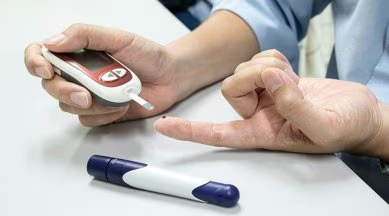
The introduction of a new pill for type 2 diabetes marks a significant advancement in diabetes management. While traditional medications such as metformin and sulfonylureas remain essential, this innovative oral treatment provides unique advantages that go beyond simple blood sugar reduction. Patients, doctors, and researchers are optimistic about the broad spectrum of benefits, which make it stand out as a transformative option in diabetes care.
1. Improved Blood Sugar Control
One of the most important benefits of the new pill is its ability to reduce blood sugar levels effectively. Clinical trials demonstrate that patients taking the medication experience significant improvements in HbA1c levels, often bringing them closer to target ranges. Unlike some older drugs that work regardless of glucose status, this pill activates only when blood sugar is elevated, which reduces risks while maximizing effectiveness.
This precise action helps patients maintain more stable glucose levels throughout the day, minimizing dangerous highs and lows. Over time, better control reduces the likelihood of complications such as neuropathy, kidney disease, and cardiovascular issues.
2. Support for Weight Management
For many patients, type 2 diabetes is closely linked to excess body weight. Traditional medications can sometimes lead to weight gain, which worsens insulin resistance. In contrast, the new pill may support modest weight loss or at least prevent further weight gain.
By influencing appetite regulation and slowing digestion, the pill helps reduce calorie intake without extreme dieting. Even a 5–10% reduction in body weight can drastically improve insulin sensitivity and overall diabetes outcomes, making this benefit especially meaningful.
3. Reduced Risk of Hypoglycemia
Older diabetes treatments, particularly sulfonylureas and insulin, often increase the risk of hypoglycemia (dangerously low blood sugar). This condition can cause dizziness, confusion, fainting, and in severe cases, hospitalization.
The new pill works differently it only enhances insulin release when glucose levels are high. This glucose-dependent mechanism minimizes the risk of blood sugar dropping too low, offering patients a safer and more predictable treatment experience.
4. Cardiovascular and Kidney Protection
Type 2 diabetes significantly increases the risk of heart disease and kidney failure, two of the most serious complications. Encouragingly, research suggests that the new pill may have protective effects on both the cardiovascular system and kidneys.
By reducing blood pressure, lowering inflammation, and supporting vascular health, the pill offers benefits that extend well beyond blood sugar management. Protecting the heart and kidneys is critical for improving both life expectancy and quality of life in diabetes patients.
5. Convenience and Better Adherence
Many patients struggle with injectable therapies due to needle anxiety, inconvenience, or the stigma of public injections. The fact that this breakthrough comes in pill form is a game changer.
- No needles required.
- Simple once-daily dosing in many cases.
- Easier integration into daily routines.
This convenience leads to better adherence, meaning patients are more likely to take their medication consistently, which directly improves long-term outcomes.
Risks and Side Effects
While promising, no medication is without risks. Reported side effects include:
- Nausea, diarrhea, or stomach discomfort.
- Increased urination (for SGLT2-based pills).
- Rare but serious risks: pancreatitis, ketoacidosis, or kidney issues.
- Possible interactions with diuretics, blood pressure medications, or insulin.
Doctors emphasize the importance of personalized treatment plans and regular monitoring.
Who Can Benefit Most?
- Newly diagnosed patients needing stronger control than metformin alone.
- Patients with obesity who may benefit from weight-loss effects.
- Those intolerant to injectables or struggling with older medications.
- High-risk patients with cardiovascular disease.
Not everyone is eligible patients with severe kidney impairment or certain conditions may need alternatives.
Accessibility and Cost
- Currently available in select markets (e.g., US, EU, Japan).
- Prices are higher than traditional drugs like metformin but competitive with advanced injectables.
- Insurance coverage varies; generic versions may reduce costs over time.
- Global health advocates stress the importance of equitable access for low-income countries.
Lifestyle Still Matters
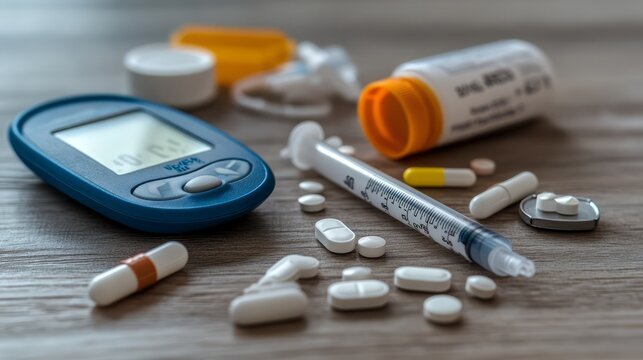
A common misconception is that medication replaces healthy living. In reality, the new pill works best when combined with lifestyle changes:
- A balanced diet rich in fiber, whole grains, and lean protein.
- Regular physical activity (150 minutes per week recommended).
- Stress management techniques like meditation or yoga.
- Adequate sleep and hydration.
Doctors emphasize that pills can manage but not cure diabetes.
Expert Insights
Endocrinologists are cautiously optimistic:
- “This pill represents the next evolution of diabetes therapy,” notes Dr. Anita Sharma, an endocrinologist.
- “What excites us is the dual benefit blood sugar control plus potential weight loss,” says Dr. Robert Mills, clinical researcher.
Experts also stress long-term monitoring since diabetes is a chronic condition.
Patient Perspectives
Patients in trials report:
- “I was nervous about injections, so this pill changed everything for me.” – Maria, 52, USA
- “My sugar levels dropped, and I lost 6 pounds in 3 months.” – James, 47, UK
- “Fewer side effects compared to my old medication. I feel more in control.” – Priya, 60, India
Real-world experiences highlight both hope and challenges with availability.
The Future of Diabetes Treatment
Looking ahead, researchers are exploring:
- Oral insulin pills (currently under trials).
- Gene editing and stem cell therapies to restore natural insulin production.
- AI-powered glucose monitoring paired with medication.
- Personalized medicine tailored to genetic and lifestyle profiles.
The new pill is an important step, but it’s only part of a much bigger revolution in diabetes care.
Must Read:
- 10 Key Breakthroughs in Type 2 Diabetes Treatment
- Difference Between Type 1 and 2 Diabetes
- Best Medicine for Type 2 Diabetes Without Side Effects
FAQs
1. What is the new pill for type 2 diabetes?
The new pill for type 2 diabetes is a next-generation oral medication designed to improve blood sugar control, support weight loss, and lower complication risks. Unlike older treatments, it combines convenience with advanced glucose regulation, offering hope to millions worldwide.
2. How does the new diabetes pill work?
This pill works by stimulating natural insulin release, reducing glucose reabsorption in the kidneys, and slowing digestion to prevent sugar spikes. Its multi-targeted approach makes it more effective than traditional oral drugs while lowering the risk of hypoglycemia.
3. What are the benefits of the new diabetes pill?
Key benefits include improved HbA1c reduction, modest weight loss, reduced hypoglycemia risk, and potential heart and kidney protection. Since it is taken orally, it also improves adherence compared to injectable diabetes medications, giving patients more convenience and flexibility.
4. Are there risks or side effects with the new pill?
Like all medications, the new pill has side effects. Common issues include nausea, diarrhea, or increased urination. Rare but serious risks may involve pancreatitis, ketoacidosis, or kidney problems. Patients should consult a doctor before use and undergo regular health monitoring.
5. Who should consider taking this new diabetes medication?
This pill is best for patients who cannot control blood sugar with lifestyle and older medications, those intolerant to injections, or individuals with obesity or cardiovascular risks. Doctors recommend personalized evaluation to ensure suitability based on health history and current condition.
6. Is the new pill available and affordable worldwide?
Currently, the new pill for type 2 diabetes is available in select regions like the US, Europe, and Japan. Its cost is higher than older medications but competitive with injectables. Insurance coverage varies, and global access may improve once generic versions are released.
Conclusion:
The new pill for type 2 diabetes represents a breakthrough that could reshape how millions of people manage their condition. By offering improved blood sugar control, weight management benefits, and greater convenience, it addresses many gaps left by older treatments.
However, it’s not a miracle cure. Risks and side effects exist, and accessibility challenges remain. For patients, the best outcomes will come from combining this innovation with a healthy lifestyle and regular medical supervision.
As science continues to push boundaries, this new medication is a hopeful sign that living with type 2 diabetes will become easier, safer, and more manageable in the years ahead.


