Gestational diabetes is a condition that occurs during pregnancy when blood sugar levels become elevated due to hormonal changes. While it typically resolves after childbirth, gestational diabetes can have serious short- and long-term effects on the baby if not managed properly. This article explores in-depth the gestational diabetes effects on baby, covering everything from birth complications to future health risks.
With the growing global incidence of gestational diabetes, understanding its implications is more important than ever. Early diagnosis, proper management, and close monitoring can help ensure healthy outcomes for both mother and baby.
What is Gestational Diabetes?
Gestational diabetes mellitus (GDM) is a type of diabetes that develops only during pregnancy. It affects how the body processes glucose, leading to high blood sugar levels. It typically arises in the second or third trimester and can affect even women with no prior history of diabetes.
How Gestational Diabetes Affects the Baby
While many women with GDM go on to have healthy babies, uncontrolled or poorly managed gestational diabetes can lead to various complications for the baby, both during birth and later in life.
1. Macrosomia (Excessive Birth Weight)
One of the most common effects of gestational diabetes on the baby is macrosomia, where the baby grows significantly larger than normal (over 4,000g or 8 lbs 13 oz).
Why it happens:
Excess glucose crosses the placenta, causing the baby’s pancreas to produce extra insulin. This leads to increased fat storage and overall growth.
Risks of macrosomia:
- Complicated vaginal delivery
- Shoulder dystocia (shoulders get stuck during birth)
- Increased likelihood of C-section
- Birth trauma (fractures, nerve damage)
2. Premature Birth
Babies of mothers with poorly controlled GDM are at a higher risk of premature birth—often before 37 weeks.
Why it matters:
- Premature babies may suffer from underdeveloped lungs
- Higher risk of respiratory distress syndrome
- Increased chances of infection, jaundice, and feeding difficulties
3. Hypoglycemia (Low Blood Sugar After Birth)
After birth, babies born to mothers with GDM may experience hypoglycemia, or low blood sugar levels.
Why it happens:
The baby’s pancreas produces extra insulin during pregnancy. Once the glucose supply from the mother stops at birth, insulin remains high, causing a sudden drop in blood sugar.
Symptoms in newborns:
- Tremors or jitteriness
- Lethargy or poor feeding
- Seizures (in severe cases)
4. Breathing Difficulties
Gestational diabetes increases the risk of respiratory distress syndrome (RDS), especially in babies born early.
Even full-term babies may face delayed lung maturity due to insulin interfering with lung surfactant production, which is essential for proper lung function.
5. Jaundice
Babies born to mothers with gestational diabetes are more likely to develop neonatal jaundice, a yellowing of the skin and eyes caused by high bilirubin levels.
Reasons for jaundice in GDM babies:
- Premature birth
- Difficulty feeding
- Immature liver function
6. Stillbirth and Neonatal Death
Uncontrolled gestational diabetes may lead to stillbirth, especially in the third trimester, though this is rare with proper care.
Factors contributing to stillbirth:
- Placental dysfunction
- High maternal blood sugar affecting oxygen supply
- Fetal acidosis (high acid levels in baby’s blood)
7. Risk of Childhood Obesity
Babies born to mothers with GDM have a higher risk of becoming overweight or obese in childhood.
Why?
- High insulin levels in the womb may affect fat metabolism
- Children may develop poor eating habits and insulin resistance earlier in life
8. Type 2 Diabetes Later in Life
Exposure to high sugar levels in utero increases the baby’s lifetime risk of developing type 2 diabetes.
Studies show that children of mothers with gestational diabetes are more likely to experience:
- Glucose intolerance
- Insulin resistance
- Early-onset type 2 diabetes
9. Birth Injuries
Due to macrosomia and difficult deliveries, babies are at a higher risk of physical birth injuries like:
- Brachial plexus injury
- Bone fractures
- Oxygen deprivation
Long-Term Developmental Concerns
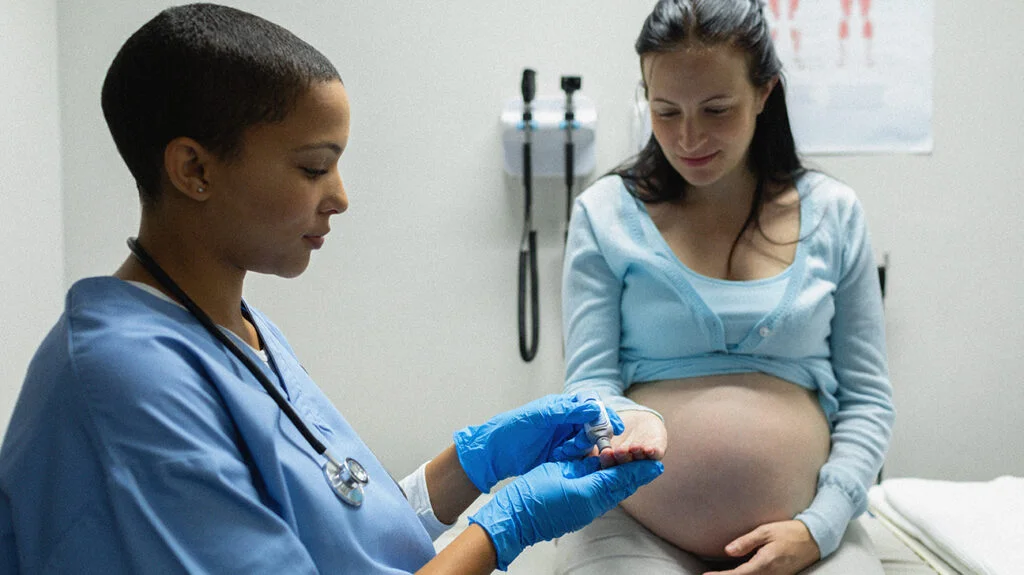
Beyond the neonatal period, gestational diabetes may also be linked to neurodevelopmental delays and behavioural issues.
Potential issues include:
- Delayed motor development
- Learning difficulties in school-age children
- Attention-deficit/hyperactivity disorder (ADHD)
Note: These risks are associated with uncontrolled gestational diabetes. With proper management, outcomes improve significantly.
How to Minimise Gestational Diabetes Effects on Baby
While GDM can be concerning, the good news is that most risks can be significantly reduced through careful monitoring and management.
✅ 1. Maintain Blood Sugar Levels
- Follow a low-glycaemic, high-fibre diet
- Monitor glucose regularly
- Exercise (as advised by your doctor)
- Use insulin if required
✅ 2. Regular Prenatal Check-ups
Close monitoring helps:
- Detect complications early
- Monitor baby’s growth
- Plan safe delivery timing
✅ 3. Consider Early Delivery (If Needed)
In cases of poorly controlled GDM or large fetal size, healthcare providers may recommend early induction to reduce delivery complications.
✅ 4. Breastfeeding Postpartum
Breastfeeding helps:
- Stabilise the baby’s blood sugar
- Reduce obesity and diabetes risk
- Provide essential immunity and bonding
Delivery and Neonatal Care
Babies born to mothers with gestational diabetes often require additional monitoring after birth.
Typical hospital protocols include:
- Monitoring baby’s blood sugar levels
- Immediate feeding after birth
- NICU care for respiratory distress or hypoglycemia
- Phototherapy for jaundice if needed
Follow-Up Care for Babies Exposed to Gestational Diabetes
Long-term follow-up is essential to ensure normal growth and development.
Paediatric monitoring includes:
- Tracking height, weight, and BMI
- Watching for early signs of metabolic syndrome
- Nutritional counselling for families
- Encouraging physical activity and healthy lifestyle choices
Gestational Diabetes Effects on Mother’s Future Pregnancies
Women with a history of GDM have a 35-70% risk of recurrence in future pregnancies. Proper postnatal care includes:
- Blood sugar monitoring 6–12 weeks postpartum
- Annual glucose testing
- Weight management
- Family planning discussions
Tips for Expectant Mothers to Reduce Risk to Baby
| Healthy Practice | Benefit for Baby |
|---|---|
| Balanced Diet (low sugar) | Prevents macrosomia and blood sugar spikes |
| Daily Movement (as approved) | Improves glucose regulation and supports placenta function |
| Glucose Monitoring | Enables early intervention if levels are too high |
| Avoid Smoking and Alcohol | Reduces risk of premature birth and developmental complications |
| Attend All Prenatal Visits | Keeps track of baby’s health and growth |
| Educate Yourself | Informed mothers make empowered health decisions |
Must Read:
- How to Lower Blood Sugar in Minutes?
- Top Side Effects of High Blood Sugar
- What is a Dangerous Level of Blood Sugar?
FAQs:
Q1: Will my baby definitely be affected if I have gestational diabetes?
No. With proper management, most babies are born healthy. Risks increase only when blood sugar is uncontrolled.
Q2: Can gestational diabetes go away after delivery?
Yes, in most cases, GDM resolves after childbirth. However, it increases the mother’s future risk of type 2 diabetes.
Q3: Is C-section always necessary with gestational diabetes?
Not always. It depends on the baby’s size, mother’s health, and how well blood sugar is controlled.
Q4: Can I breastfeed if I had gestational diabetes?
Absolutely. Breastfeeding is encouraged and may help regulate the baby’s blood sugar and reduce obesity risk.
Q5: Should my child be tested for diabetes later?
Yes. Children of mothers with GDM should have periodic health check-ups to monitor for signs of insulin resistance or weight gain.
Conclusion:
Gestational diabetes may sound alarming, but with the right steps, you can greatly reduce its impact on your baby’s health. Regular medical care, a healthy lifestyle, and education make a powerful difference.
While risks like macrosomia, hypoglycemia, and long-term diabetes exist, they are not inevitable. Many women with gestational diabetes deliver healthy, happy babies by staying proactive, informed, and committed to their health during pregnancy.
By focusing on prevention, management, and follow-up, you give your baby the best chance to thrive both at birth and later in life.