Diabetes in pregnancy is becoming more common as more women experience hormonal shifts and lifestyle patterns that influence blood sugar levels. Many mothers hear the term for the first time during routine check-ups, and the idea can cause worry. The good news is that diabetes in pregnancy is manageable when care starts early. Mothers can protect themselves and their babies with the right guidance, stable habits, and regular monitoring.
Pregnancy puts extra demands on the body. Hormones change the way insulin works, and this can raise blood sugar levels. For some women, these levels go above the normal range. Diabetes in pregnancy can appear in women who had diabetes before conception or those who develop gestational diabetes during pregnancy. Both situations need steady control, but the path to healthy outcomes is clear and well-defined.
Many babies born to mothers with diabetes enjoy completely healthy lives. The key is early awareness, planned nutrition, simple lifestyle habits, and support from healthcare professionals. This guide walks through everything a mother should know and gives practical steps that work in real life. It explains how diabetes in pregnancy happens, what symptoms look like, how tests work, how diet and exercise help, and how mothers can reduce complications for themselves and their babies.
By the end, you’ll understand why stable blood sugar is essential and how simple choices help you give your baby the safest start.
Understanding Diabetes in Pregnancy
Diabetes in pregnancy refers to high blood sugar that appears before or during pregnancy. Pregnancy naturally changes insulin sensitivity. The hormones that support the placenta also interfere with the way cells use insulin. When the pancreas cannot meet the increased demand, blood sugar rises. This is how gestational diabetes develops.
There are two main types. The first is pre-existing diabetes, which may be type 1 or type 2. Women with these conditions need adjusted medical plans during pregnancy. The second type is gestational diabetes, which shows up after the second trimester and usually goes away after birth. Both types need attention, and both can be controlled with steady care.
High sugar levels can affect the mother and the baby in different ways. For the mother, there may be a higher chance of high blood pressure or complications during labour. For the baby, high blood sugar can lead to a larger birth weight or breathing issues after birth. These risks sound worrying, but they are preventable. When diabetes in pregnancy is managed well, outcomes improve significantly, and many complications do not occur at all.
Understanding how this condition works helps mothers feel more in control. Once the body’s response to insulin is clear, it becomes easier to see how small habits play a big part in keeping sugar levels safe.
Causes and Risk Factors
Several factors can lead to diabetes in pregnancy. Hormones released by the placenta are the main reason. They support the baby’s growth but also make the mother’s cells resist insulin. This resistance forces the pancreas to release more insulin. When the pancreas reaches its limit, blood sugar rises.
Lifestyle and genetics influence this process. Women with a family history of diabetes have a higher chance of facing this condition. Weight also matters because higher body fat can increase insulin resistance. Conditions like polycystic ovary syndrome are linked with hormonal imbalances, which raise the chances of diabetes in pregnancy. Women who had gestational diabetes in a previous pregnancy are also at risk of developing it again.
Age plays a role too. Women over 30 face a slightly higher chance, though younger women can still develop the condition. Poor diet, low activity levels, and stress may not directly cause diabetes in pregnancy, but they add to insulin resistance, which pushes sugar levels higher.
Knowing the risk factors gives mothers the power to take early steps. Women who know they’re at risk can plan their pregnancies better and start healthier habits early. Even small changes can lower the chances of developing diabetes in pregnancy.
Signs and Symptoms
Many mothers do not notice symptoms at first. Diabetes in pregnancy can be silent for weeks. This is why screening is routine. When symptoms do appear, they may seem normal or easy to overlook. Increased thirst is common. Mothers may feel hungry more often or urinate more frequently. Tiredness is another sign, but pregnancy itself often causes fatigue, so symptoms can be confusing.
Some women experience blurred vision because high sugar affects fluid levels in the eyes. Rapid weight gain in early pregnancy can also be a sign. In later stages, symptoms may become more noticeable, including nausea, yeast infections, or tingling in the hands and feet.
Not every symptom means diabetes in pregnancy, but mothers should pay attention to changes that feel sudden or unusual. If symptoms worsen or the mother feels unwell, it is best to contact a doctor. Early awareness leads to faster control, which protects both mother and baby.
Diagnosis and Screening
Diagnosis for diabetes in pregnancy happens through simple blood tests. Doctors usually screen all pregnant women between weeks 24 and 28. Women at higher risk may be tested earlier. The most common test is the glucose challenge test. Mothers drink a sweet liquid and wait an hour before a blood sample is taken. If levels are high, further testing follows.
The oral glucose tolerance test measures how the body handles sugar over a few hours. Blood samples are taken multiple times. This test confirms whether diabetes in pregnancy is present. These tests are safe and standard in prenatal care.
Understanding results helps mothers make the next steps. Doctors explain what levels fall into safe ranges and what numbers require attention. Once diagnosed, mothers follow a plan that includes diet changes, exercise, and regular monitoring. Accurate diagnosis ensures the condition is caught early and managed well.
Managing Diabetes in Pregnancy

Management is the heart of keeping mother and baby safe. Diabetes in pregnancy responds well to simple, steady daily habits. The goal is to keep blood sugar levels stable. Small shifts in food choices, activity, and monitoring routines have a big impact.
1. Healthy Eating Plan
Diet plays the most important role. Mothers do not need to eat less; they need to eat smarter. Balanced meals that mix protein, fibre, and healthy fats stabilise sugar levels. Lean protein, whole grains, and vegetables help keep glucose steady for longer periods. Foods high in refined sugar or simple carbs raise blood sugar quickly, so they should be limited.
Eating at regular times is helpful because it prevents sharp dips or spikes. Instead of three large meals, smaller portions spaced through the day work better. Healthy snacks like nuts, yoghurt, and fruits with low glycaemic impact also help. Following a steady meal plan gives mothers predictable glucose levels.
2. Exercise and Daily Movement
Exercise improves the way the body uses insulin. Mothers do not need heavy workouts. Simple activities like walking, swimming, and prenatal yoga are enough. Movement after meals helps stabilise sugar levels and reduces insulin resistance. Staying active also improves mood, energy, and sleep patterns.
3. Medication and Insulin
Some mothers need medication to control diabetes in pregnancy. When diet and exercise are not enough, doctors may prescribe insulin or tablets that are safe for pregnancy. Insulin is often used because it does not affect the baby. The dose is adjusted as pregnancy progresses.
4. Blood Sugar Monitoring
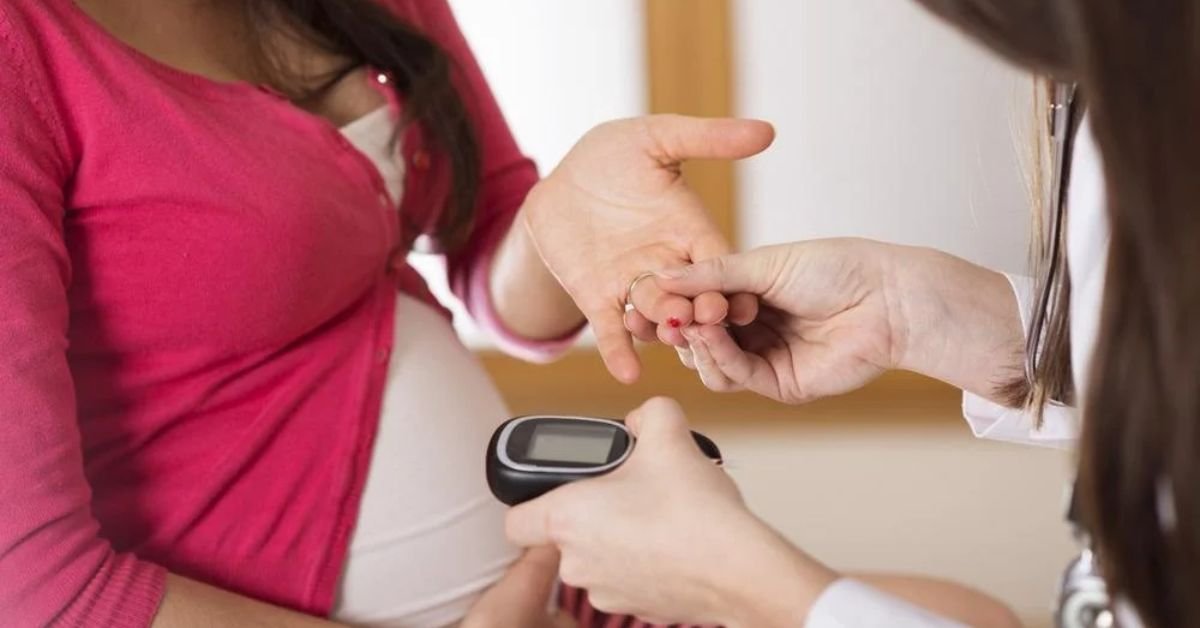
Checking sugar levels at home is part of the routine. It helps mothers understand how food, exercise, and stress affect their bodies. Regular monitoring helps avoid complications. Your doctor will give a target range and ask for readings at specific times. These numbers guide daily decisions and allow adjustments whenever needed.
Creating a Baby-Safe Diet Plan
A safe diet supports both mother and baby. Mothers need more nutrients during pregnancy, but the key is the type of food chosen. Foods that help manage diabetes in pregnancy include leafy vegetables, lean meats, fish, eggs, lentils, beans, and whole grains. Fibre-rich foods slow digestion and keep sugar stable.
Foods to avoid include sugary drinks, desserts, white bread, fried foods, and processed snacks. These cause sugar spikes that strain the body and affect the baby’s growth.
A simple sample meal plan may look like this:
- Breakfast: Oats with nuts and a boiled egg
- Snack: Greek yoghurt
- Lunch: Grilled chicken, brown rice, and vegetables
- Snack: Almonds or fruit with low sugar
- Dinner: Fish, salad, and whole wheat roti or quinoa
This pattern keeps energy steady and supports healthy development.
Preventing Complications
Complications can occur when diabetes in pregnancy is not controlled. High blood sugar increases the risk of high blood pressure, preeclampsia, and early delivery. For babies, the risks include higher birth weight, low sugar after birth, and breathing problems. These risks sound intense, but mothers can avoid them by following regular check-ups and monitoring routines.
When blood sugar remains stable, the chances of complications drop significantly. Ultrasound scans track the baby’s growth. Doctors may also check amniotic fluid levels or monitor the baby’s movements. These steps keep both mother and baby safe.
Preparing for Labour and Delivery
Delivery planning is important. Women with diabetes in pregnancy often deliver at full term when sugar levels stay controlled. Doctors discuss delivery options in advance. A vaginal birth is possible for most mothers. A C-section may be recommended if the baby grows too large or if complications appear.
During labour, sugar levels are monitored closely. Nurses may adjust insulin to keep both mother and baby safe. After birth, doctors check the baby’s glucose levels because some newborns may have low sugar. This is usually temporary and easily managed with early feeding.
The mother may also be tested again a few weeks after delivery to confirm whether her sugar levels have returned to normal.
Life After Pregnancy
Life after delivery brings new routines. For many women, blood sugar levels drop to normal a few days after birth. For others, especially those with pre-existing diabetes, monitoring continues. Healthy habits developed during pregnancy remain important because they reduce future risks.
Breastfeeding helps stabilise glucose and supports weight management. Eating balanced meals and staying active help mothers lower their chance of developing type 2 diabetes later. Follow-up tests are essential and usually include a glucose tolerance test after six to twelve weeks.
Tips for Healthy Babies When Mother Has Diabetes

Healthy babies come from consistent care. Regular check-ups are a mother’s strongest tool. Doctors track the baby’s growth and adjust plans when needed. Mothers can protect their babies by eating balanced meals, staying active, sleeping well, and monitoring sugar levels.
After birth, babies may need a few extra checks, but most adjust quickly. Early feeding keeps their sugar levels stable. Holding the baby skin-to-skin helps regulate their temperature and heartbeat.
Healthy habits at home support long-term wellness. Families can cook nutritious meals, stay active together, and create a calm, supportive environment for both mother and child.
Emotional and Mental Well-Being
Pregnancy brings emotional changes, and diabetes in pregnancy adds extra stress. It’s normal for mothers to feel worried or overwhelmed. Simple habits like staying hydrated, resting well, and taking short walks help reduce stress. Support from partners, family members, and friends makes a big difference.
If anxiety becomes constant or daily tasks feel heavy, professional help can guide mothers through the emotional side of pregnancy. A calm, supported mother is healthier, and this benefits the baby too.
Must Read:
FAQs:
Can diabetes in pregnancy harm my baby?
Diabetes in pregnancy can affect a baby’s growth if sugar levels stay high. With early care, regular check-ups, and stable glucose control, most babies are born healthy. Managing diet, exercise, and monitoring reduces almost all risks.
Does gestational diabetes go away after birth?
Gestational diabetes usually goes away a few weeks after delivery. Mothers still need follow-up glucose tests to confirm recovery. Staying active, eating balanced meals, and maintaining a healthy weight help prevent future diabetes and support long-term health.
What foods help manage diabetes in pregnancy?
Foods rich in fibre and protein help stabilise sugar levels. Whole grains, vegetables, nuts, seeds, eggs, lentils, and lean meats support healthy glucose control. Avoid sugary drinks, refined carbs, and fried foods to protect both mother and baby.
Is exercise safe during pregnancy with diabetes?
Yes, light exercise is safe and helpful. Walking, prenatal yoga, and swimming improve insulin response and control sugar levels. Regular movement after meals can prevent spikes. Always follow your doctor’s guidance before starting or adjusting any exercise routine.
How often should I check my blood sugar?
Most mothers monitor blood sugar several times daily, usually fasting and after meals. The exact schedule depends on your doctor’s advice. Regular monitoring helps you understand how food and activity affect your levels and keeps pregnancy safer.
Can diabetes in pregnancy lead to a C-section?
A C-section may be recommended if the baby grows too large due to high sugar levels. Many mothers still have safe vaginal births. Good sugar control lowers the chances of complications and supports a normal delivery plan.
Conclusion:
Diabetes in pregnancy can be managed safely with the right plan. Mothers who understand the condition and follow consistent habits can give their babies a healthy start.
Most mothers lead normal pregnancies when they monitor blood sugar, eat balanced meals, stay active, and attend all prenatal appointments. With early care and steady routines, both mother and baby stay safe and strong.