Diabetes is one of the fastest-growing health challenges in the modern world. Millions of people are diagnosed with it every year, and many others live with it without knowing. With increasing awareness and advanced research, a frequently asked question is: Can diabetes be reversed?
The answer isn’t a simple yes or no. It depends on the type of diabetes, the person’s overall health, lifestyle, and many other factors. While Type 1 diabetes is currently not reversible, there’s strong evidence that Type 2 diabetes can be put into remission through sustainable lifestyle changes, weight loss, and in some cases, medical intervention.
This article will cover everything you need to know: the types of diabetes, what reversal means, the science behind it, effective diet and exercise tips, real-life stories, and what the future holds. Whether you’re newly diagnosed, living with diabetes for years, or helping someone who is, this guide provides realistic, practical, and evidence-based insights.
Let’s explore how people are changing their lives and their blood sugar levels for the better.
Understanding Diabetes: Types and Causes
To understand whether diabetes can be reversed, it’s important to know the types and how they differ:
Type 1 Diabetes
- Autoimmune disease.
- Body attacks insulin-producing cells in the pancreas.
- Usually diagnosed in children or young adults.
- Currently, no cure or reversal available.
- Requires lifelong insulin therapy.
Type 2 Diabetes
- Most common form.
- Caused by insulin resistance and/or insufficient insulin production.
- Strongly linked to obesity, sedentary lifestyle, and poor diet.
- Can often be managed and even reversed with lifestyle changes.
Gestational Diabetes
- Occurs during pregnancy.
- Usually disappears after childbirth but increases the risk of developing Type 2 diabetes later.
Prediabetes
- Blood sugar is higher than normal but not high enough for a diabetes diagnosis.
- A critical warning sign that can be reversed with timely action.
Common Causes
- Poor dietary habits (high sugar, processed carbs).
- Lack of exercise.
- Obesity or overweight.
- Genetic predisposition.
- Chronic stress and sleep issues.
Understanding the root causes helps identify which forms of diabetes can be reversed and how.
What Does ‘Reversing Diabetes’ Mean?
When we say “reverse diabetes,” we usually mean putting the disease into remission. That means:
- Normal blood sugar levels (without medication).
- No symptoms of high blood sugar.
- Sustained results over months or years.
Reversal does not mean a cure. The underlying tendency for insulin resistance still exists, so the disease can return if lifestyle changes are not maintained.
There are two types of remission:
- Partial Remission: Blood sugar below diabetic range for at least a year, without medication.
- Complete Remission: Normal blood sugar levels for at least a year, without any diabetes symptoms or drugs.
Many people with Type 2 diabetes have achieved both, especially through significant weight loss and lifestyle overhaul.
Can Type 2 Diabetes Be Reversed?
Yes, Type 2 diabetes can be reversed in many cases, particularly if detected early and managed effectively.
Why It’s Possible
- Type 2 diabetes is primarily a result of lifestyle: poor diet, low activity, high stress.
- These causes are modifiable.
- With proper intervention, insulin sensitivity can improve, and pancreatic function may stabilise.
Common Methods for Reversal
- Dietary Changes
- Low-carb or ketogenic diets reduce insulin demand.
- Whole foods reduce sugar spikes and promote weight loss.
- Weight Loss
- Studies show that losing just 5–10% of body weight can drastically improve insulin sensitivity.
- Bariatric surgery often induces remission in obese patients.
- Increased Physical Activity
- Regular exercise enhances glucose uptake by muscles.
- Reduces insulin resistance over time.
- Intermittent Fasting
- Helps lower insulin levels and promotes fat burning.
- Proven effective in early diabetes reversal studies.
- Medical Supervision
- Doctors may guide patients through medication tapering.
- Frequent monitoring ensures safe progression.
The earlier Type 2 diabetes is addressed, the greater the chance of reversal. Long-term success depends on commitment to sustainable change.
Scientific Evidence Supporting Reversal
Several major studies support the idea that Type 2 diabetes can be reversed:
DiRECT Study (UK)
- Participants followed a very low-calorie diet (~850 calories/day) for 3–5 months.
- 46% achieved remission after one year.
- Over 80% who lost more than 15kg achieved remission.
Look AHEAD Trial (USA)
- Focused on diet and exercise.
- Participants who lost weight and exercised regularly had better blood sugar control.
- Many were able to reduce or stop medications.
Other Findings
- Bariatric surgery often leads to diabetes reversal in obese patients.
- Fasting-mimicking diets have shown promise in reducing HbA1c levels.
These studies show that targeted intervention can reset metabolic health, especially in newly diagnosed individuals.
Role of Diet in Reversing Diabetes

Best Diets for Reversal
- Low-Carb/Keto Diet
- Reduces glucose spikes.
- Lowers insulin demand.
- Encourages fat-burning for energy.
- Mediterranean Diet
- Focuses on healthy fats, lean proteins, vegetables.
- Supports heart and metabolic health.
- Whole-Food, Plant-Based Diet
- High in fibre, low in processed sugar.
- Helps manage weight and improve gut health.
- Low-Glycaemic Index Foods
- Beans, oats, sweet potatoes.
- Prevent rapid blood sugar rises.
Foods to Avoid
- Refined sugar and carbs.
- Sweetened drinks and sodas.
- Deep-fried foods.
- Processed snacks and desserts.
Smart Eating Habits
- Smaller, balanced meals.
- Avoid eating late at night.
- Stay hydrated.
- Include protein in every meal to avoid sugar crashes.
(continued in next message)
(Continued from above…)
Exercise and Physical Activity
Physical activity is one of the most powerful tools in reversing Type 2 diabetes.
🏃 Why Exercise Matters
- Improves insulin sensitivity.
- Encourages glucose uptake by muscles.
- Supports weight loss and cardiovascular health.
🏋️ Types of Recommended Exercise
- Aerobic Exercise
- Walking, cycling, swimming – 30 minutes/day.
- Boosts fat burn and regulates glucose.
- Resistance Training
- Builds muscle mass, which burns more glucose.
- Use bodyweight, bands, or light weights 2–3 times/week.
- Flexibility & Balance
- Yoga or stretching helps relieve stress and improves mobility.
- Reduces risk of injury and boosts mental clarity.
Consistency is key. Even small increases in activity can lead to better glucose control and long-term health improvement.
Weight Loss and Its Impact
One of the most consistent findings in diabetes reversal studies is this: weight loss equals better blood sugar control.
🔄 How Weight Loss Reverses Diabetes
- Reduces fat around the liver and pancreas.
- Restores insulin production.
- Enhances cellular glucose uptake.
🥗 How Much Weight Loss Is Needed?
- Losing just 5–10% of body weight can bring significant improvements.
- For many, 15kg+ weight loss often leads to remission.
The earlier and faster the weight loss, the better the outcomes especially if combined with dietary changes and exercise.
Medications vs Natural Reversal
Medication helps control blood sugar but it doesn’t always solve the root problem.
💊 Common Medications:
- Metformin
- Sulfonylureas
- Insulin injections
- SGLT2 inhibitors
- GLP-1 receptor agonists
These drugs manage symptoms, but reversal happens when lifestyle changes reduce the need for medication.
🌿 Lifestyle Wins
- Diet, exercise, and fasting can lower insulin resistance.
- Some patients have weaned off medications entirely with medical supervision.
⚖️ Best Strategy?
- Combine initial medical therapy with aggressive lifestyle changes.
- Always work with a healthcare provider for safe medication adjustment.
Monitoring and Blood Sugar Control
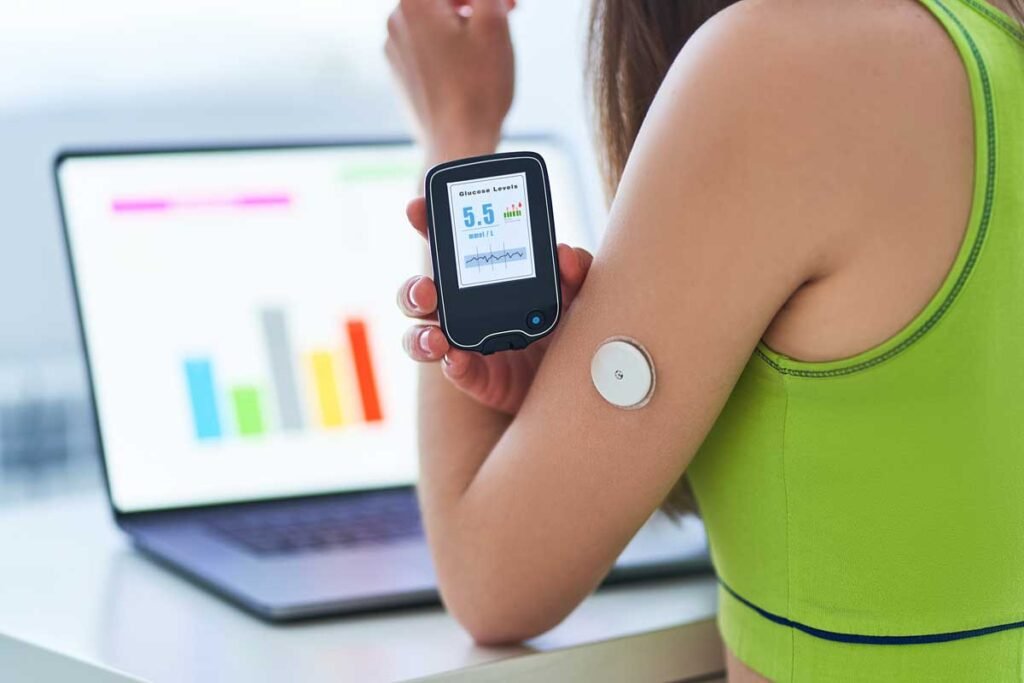
Daily monitoring is essential in reversing diabetes safely and effectively.
🩸 What to Track:
- Fasting blood glucose
- Post-meal sugar levels
- HbA1c (every 3–6 months)
🛠 Tools That Help:
- Glucometer or CGM (continuous glucose monitor).
- Food journals.
- Weight and activity logs.
Regular tracking shows what’s working and keeps you motivated. It also helps your doctor adjust medications appropriately.
Psychological and Lifestyle Factors
Reversing diabetes isn’t just physical it’s also emotional and mental.
🧠 Mindset Matters
- Stress raises cortisol, which spikes blood sugar.
- Depression or anxiety can lead to overeating and inactivity.
🧘♀️ Lifestyle Support
- Sleep 7–9 hours per night.
- Practice stress-reducing habits: meditation, deep breathing, nature walks.
- Build a support system: family, friends, or diabetes groups.
Changing your lifestyle requires motivation, support, and daily discipline but the results are well worth the effort.
Real-Life Case Studies
✅ Case 1 – John, Age 52, Chicago
Diagnosed with Type 2 diabetes in 2022. Lost 30 pounds through low-carb eating and daily walking. In 6 months, his HbA1c dropped from 8.5% to 5.7%, and he stopped using metformin under doctor’s guidance.
✅ Case 2 – Riya, Age 39, Atlanta
Used a plant-based diet and yoga to manage her blood sugar naturally. Lost 18 pounds in 4 months and went from prediabetes to normal glucose levels.
✅ Case 3 – Carlos, Age 47, California
After weight-loss surgery, his blood sugar returned to normal within weeks. Three years later, still in remission without medication.
These stories show that diabetes reversal is not only possible it’s happening across the world.
Challenges and Limitations
🚧 Common Barriers
- Hard to sustain strict diet.
- Lack of time or motivation for exercise.
- Medications that promote weight gain.
- Emotional eating due to stress.
⚠️ Who May Not Reverse It Easily
- Long-standing diabetes with damaged beta cells.
- People dependent on high insulin doses.
- Those with other chronic conditions.
Still, even if full reversal isn’t possible, any improvement in blood sugar and insulin sensitivity is beneficial.
Type 1 Diabetes: Is Reversal Possible?
Unlike Type 2, Type 1 diabetes cannot be reversed.
Why?
- It’s an autoimmune condition.
- The body destroys insulin-producing cells.
- There’s currently no way to regenerate these cells or stop the immune attack.
🧪 Research Is Ongoing
- Trials on islet cell transplants, stem cells, and immunotherapy show promise.
- Advances in diabetes tech (like artificial pancreas systems) are improving quality of life.
For now, people with Type 1 can’t reverse it but can live long, healthy lives with proper management.
Future Research and Hope for a Cure
Science is evolving rapidly. Promising areas include:
- Gene editing (CRISPR) to repair faulty immune responses.
- Beta cell regeneration to restore insulin production.
- Personalised nutrition based on genetics and gut microbiome.
- Smart insulin delivery through advanced tech.
While a complete cure is still in development, the current focus is on long-term remission and natural blood sugar control.
Conclusion:
So, can diabetes be reversed?
✅ Type 2 diabetes: In many cases, yes with weight loss, healthy eating, exercise, and support.
❌ Type 1 diabetes: Not yet, but management continues to improve.
⚠️ Reversal isn’t a cure, but remission is possible and sustainable.
Key Takeaways:
- The earlier you act, the higher the chance of reversal.
- Medications help, but lifestyle change is the true game-changer.
- Monitoring, support, and mental resilience are crucial.
Reversing diabetes isn’t about perfection it’s about consistency. Small, daily decisions create long-term transformation.
Must Read:
- Top Side Effects of High Blood Sugar Explained
- What is a Dangerous Level of Blood Sugar?
- Is Fasting Good For Diabetes?
FAQs:
Q1: Can diabetes be cured permanently?
No. Type 2 can go into remission, but returning to old habits can bring it back.
Q2: Can I stop taking insulin if I reverse my diabetes?
Possibly, under your doctor’s guidance. Never stop medication without supervision.
Q3: How fast can diabetes be reversed?
Some people see improvements within weeks, others take months. It depends on your body and habits.
Q4: Can I eat carbs again if I reverse my diabetes?
Moderate, healthy carbs may be reintroduced slowly, but refined sugars should still be limited.
Q5: Is reversal possible without losing weight?
Rarely. Weight loss is a key factor in most cases of successful remission.