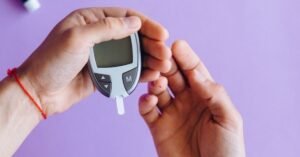
Living with diabetes has always required dedication, regular monitoring, and discipline. Traditionally, checking blood sugar meant pricking your finger multiple times a day, dealing with the discomfort, mess, and sometimes even anxiety. But now, technology has revolutionised diabetes management. The best blood sugar monitor without finger pricks is changing lives for millions of people worldwide, offering freedom from pain and real-time insights into glucose levels.
If you’re searching for the best blood sugar monitor without finger pricks, you’re not alone. Interest in painless glucose monitoring has surged, especially with the rise of continuous glucose monitoring (CGM) devices and non-invasive sensors. These innovative gadgets don’t just make life easier they empower you to take control of your health with confidence.
This comprehensive guide explores everything you need to know about the best blood sugar monitor without finger pricks—from how they work to top products, pros and cons, who should use them, and frequently asked questions. Whether you’re newly diagnosed, managing type 1 or type 2 diabetes, or looking after a loved one, you’ll find valuable, up-to-date, and practical information here.
Why the Best Blood Sugar Monitor Without Finger Pricks Matters
Traditional finger-prick testing methods are accurate, but they come with several drawbacks:
- Pain and Discomfort: Frequent pricking causes sore fingertips.
- Inconvenience: Carrying test strips, lancets, and meters can be a hassle.
- Compliance Issues: Many people skip tests due to discomfort or embarrassment.
- Data Gaps: Occasional checks may miss fluctuations or trends in blood sugar.
The best blood sugar monitor without finger pricks eliminates these problems. These innovative solutions offer continuous, painless monitoring, often providing more comprehensive data, leading to better diabetes management and improved quality of life.
How Does the Best Blood Sugar Monitor Without Finger Pricks Work?
The best blood sugar monitor without finger pricks generally refers to continuous glucose monitoring (CGM) systems and other non-invasive technologies. Here’s a breakdown of the most popular options:
Continuous Glucose Monitoring (CGM) Devices
CGMs are small wearable sensors that measure glucose levels in the interstitial fluid just beneath the skin. They don’t require finger pricks for readings, though some need occasional calibration.
- How CGMs Work:
A small sensor is placed (usually on the upper arm or abdomen) and secured with adhesive. The sensor measures glucose every few minutes and sends data wirelessly to a receiver, smartphone, or smartwatch. - Key Benefits:
- Painless and convenient
- Real-time glucose trends
- Alerts for high/low blood sugar
- Reduced need for fingersticks (sometimes none at all)
Non-Invasive Glucose Monitors
New non-invasive technologies are being developed, such as optical sensors, sweat-based monitors, and radiofrequency devices. While still in development or early release, these promise truly best blood sugar monitor without finger pricks solutions.
The Evolution of the Best Blood Sugar Monitor Without Finger Pricks
The journey from painful finger pricks to the best blood sugar monitor without finger pricks has been driven by research and innovation. CGMs started as tools for type 1 diabetes management but are now recommended for type 2 diabetes, gestational diabetes, and even prediabetes monitoring.
Benefits of the Best Blood Sugar Monitor Without Finger Pricks
Let’s look at why these devices are life-changing for diabetes management.
1. Pain-Free Monitoring
The best blood sugar monitor without finger pricks provides continuous, hassle-free glucose tracking, making it easier for users to stay on top of their health without pain.
2. Real-Time Insights
Unlike traditional methods, which offer only snapshots, these monitors provide ongoing data, showing how meals, exercise, and medication impact blood sugar throughout the day.
3. Better Compliance
People are more likely to use the best blood sugar monitor without finger pricks regularly since there’s no pain or inconvenience, leading to improved diabetes management.
4. Alerts and Data Sharing
Modern CGMs can alert you instantly if your glucose goes too high or low. Many devices allow sharing data with caregivers, doctors, or family, adding a layer of safety.
Top Products:
Let’s review some of the leading options for the best blood sugar monitor without finger pricks on the market.
| Device Name | Sensor Life | Calibration Needed | Data Output | Mobile App? | Key Features |
|---|---|---|---|---|---|
| Freestyle Libre 2 | 14 days | No | Scan with reader/app | Yes | No finger pricks, real-time trend arrows, affordable |
| Dexcom G7 | 10 days | No | Continuous to app | Yes | Alarms, accurate, integrates with smart devices |
| Eversense E3 | 180 days | Yes (twice daily) | Continuous to app | Yes | Longest sensor life, removable, vibrates for alerts |
| Medtronic Guardian 4 | 7 days | No | Real-time to receiver | Yes | Predictive alerts, can be paired with insulin pumps |
1. Freestyle Libre 2
The Freestyle Libre 2 is one of the most popular choices for the best blood sugar monitor without finger pricks. The sensor is worn on the back of the upper arm for up to 14 days, providing accurate readings with a painless scan. No routine fingersticks are required, and it delivers clear trend arrows to help you understand how your glucose is changing.
2. Dexcom G7
Dexcom has set the standard for CGM technology. The G7 is slim, easy to apply, and lasts 10 days. It sends data continuously to your smartphone or smartwatch. Customisable alerts help prevent highs and lows, making it ideal for anyone seeking the best blood sugar monitor without finger pricks.
3. Eversense E3
Eversense E3 offers the only implantable CGM system, lasting up to 180 days. It’s unique in that it can be removed temporarily (for example, during an MRI), and provides on-body vibratory alerts—a great choice for people with hypo unawareness.
4. Medtronic Guardian 4
The Guardian 4 is well-suited for those who already use Medtronic insulin pumps, but it’s also a stand-alone CGM. It offers real-time monitoring, predictive alerts, and no need for fingerstick calibration.
How to Choose the Best Blood Sugar Monitor Without Finger Pricks

Selecting the best blood sugar monitor without finger pricks involves considering several factors. Here’s a quick checklist:
- Sensor Life: How long does each sensor last before replacement?
- Accuracy: How reliable are the readings compared to blood glucose meters?
- Calibration: Does it require fingerstick calibration?
- Ease of Use: How easy is it to apply and wear the sensor?
- Alerts: Does it offer alarms for highs and lows?
- Data Access: Can you view your data on your phone, smartwatch, or computer?
- Insurance Coverage/Cost: Is the device covered by insurance or affordable out of pocket?
- Integration: Does it work with insulin pumps or other diabetes tech?
- User Reviews: What do real users say about comfort, reliability, and support?
Pros and Cons
Pros
- No painful finger pricks for routine monitoring
- Continuous data, showing real-time trends
- Early alerts for highs/lows help prevent emergencies
- Easier for children, teens, and seniors to manage
- Greater data for healthcare providers to guide treatment
Cons
- Sensors must be replaced regularly (cost can add up)
- Some sensors may cause minor skin irritation
- Not all devices are fully non-invasive (some require skin insertion)
- A small lag (10-15 min) compared to blood readings
- Insurance coverage varies by country and policy
Who Should Use the Best Blood Sugar Monitor Without Finger Pricks?
The best blood sugar monitor without finger pricks can benefit a wide range of people:
- Type 1 and Type 2 Diabetes: Great for intensive monitoring, trend analysis, and better glycaemic control.
- Gestational Diabetes: Pregnant women can manage glucose closely without pain.
- Children and Teens: Less traumatic than finger pricks, with easy parental monitoring.
- Elderly: Reduces hassle and improves safety with alerts.
- People with Hypoglycaemia Unawareness: Instant alerts for dangerous lows.
- Active Individuals: See how exercise, stress, and diet affect glucose in real-time.
How to Use the Best Blood Sugar Monitor Without Finger Pricks
- Apply the Sensor: Follow the device’s instructions. Most use a simple applicator for quick, painless placement.
- Connect to the Reader/App: Pair your device with your smartphone or receiver.
- Monitor Regularly: View real-time glucose levels, set up alerts, and log meals, exercise, and medication.
- Change Sensors as Needed: Replace the sensor after the recommended period.
- Share Data: Export or share your data with your healthcare provider for more personalised care.
The Future of Blood Sugar Monitoring: Even Less Invasive Options
While CGMs have minimised the need for finger pricks, researchers are working on next-generation, truly best blood sugar monitor without finger pricks solutions:
- Optical Sensors: Devices that shine light through the skin and analyse glucose using spectroscopy.
- Smart Watches: Companies like Apple and Samsung are investing in blood sugar tracking technology for future devices.
- Sweat-Based Monitors: Analysing glucose in sweat, tears, or saliva (still under development).
- Tattoo Sensors: Wearable tattoos that change colour based on glucose levels.
How Accurate Are the Best Blood Sugar Monitor Without Finger Pricks?
Modern CGMs have come a long way. Most devices are highly accurate, with a mean absolute relative difference (MARD) of less than 10%. This means that readings are within 10% of standard blood glucose meters, which is excellent for day-to-day management.
Tip: There is often a slight lag (usually 10-15 minutes) between CGM readings (interstitial fluid) and blood glucose, especially during rapid changes. In critical situations (suspected severe hypoglycaemia), a fingerstick check is still recommended for confirmation.
Practical Tips for Getting the Most from the Best Blood Sugar Monitor Without Finger Pricks

- Rotate Sites: Change the sensor location to avoid skin irritation.
- Keep Sensors Clean and Dry: This improves adhesion and accuracy.
- Set Alerts: Personalise high/low glucose alerts for your needs.
- Educate Family and Friends: Let loved ones know what your device does and how they can help in an emergency.
- Back-Up Plan: Keep a traditional meter handy for rare times the sensor can’t be used.
Success Stories:
Case Study 1:
Sarah, a 35-year-old with type 1 diabetes, struggled with severe night-time hypoglycaemia. After switching to a CGM, she received early alerts and was able to adjust her insulin, sleeping soundly for the first time in years.
Case Study 2:
John, diagnosed with type 2 diabetes, hated finger pricks and skipped testing. With the best blood sugar monitor without finger pricks, he now checks his levels daily, has better control, and feels more motivated.
Top Features to Look for in the Best Blood Sugar Monitor Without Finger Pricks
- Continuous, real-time monitoring
- Painless, easy application
- Long sensor life
- Waterproof or water-resistant sensors
- Customisable alarms for highs/lows
- Mobile app integration
- Data sharing with healthcare providers
- Insurance coverage or affordable pricing
- Minimal calibration or none required
- Compatibility with other diabetes tech (insulin pumps, smartwatches)
Quick Comparison of the Best Blood Sugar Monitor Without Finger Pricks
| Feature | Freestyle Libre 2 | Dexcom G7 | Eversense E3 | Medtronic Guardian 4 |
|---|---|---|---|---|
| Sensor Life | 14 days | 10 days | 180 days | 7 days |
| Calibration | None | None | 2x/day | None |
| Alerts | Yes | Yes | Yes | Yes |
| Mobile App | Yes | Yes | Yes | Yes |
| Waterproof | Yes | Yes | Yes | Yes |
| Insurance Coverage | Good | Good | Limited | Good |
| Painless Monitoring | Yes | Yes | Yes | Yes |
FAQs:
1. Is the best blood sugar monitor without finger pricks accurate?
Yes, modern devices offer highly accurate glucose readings, often within 10% of traditional meters. Always follow manufacturer guidelines and consult your doctor for advice.
2. Do I ever need to use finger pricks with these monitors?
Most top devices don’t require routine finger pricks. However, in some rare cases (rapid glucose changes, device errors), a fingerstick reading may be recommended.
3. Are these monitors suitable for children?
Absolutely! The best blood sugar monitor without finger pricks is ideal for children and teenagers who struggle with the pain of finger pricks.
4. How much does the best blood sugar monitor without finger pricks cost?
Costs vary. Sensors must be replaced every 7–14 days (sometimes longer), and prices depend on insurance, country, and brand. Many insurers now cover CGMs, especially for type 1 diabetes.
5. Can I swim or shower with the sensor on?
Yes, most sensors are waterproof and can be worn while swimming, showering, or exercising. Always check your device’s guidelines.
6. What’s the main difference between CGMs and traditional meters?
CGMs provide continuous, real-time data with trend insights, while traditional meters offer only one-time readings.
Must Read:
- Continuous Glucose Monitoring System
- Blood Sugar Monitor Watch
- New Developments in Diabetes Treatment
Final Words:
The best blood sugar monitor without finger pricks isn’t just about comfort—it’s a complete transformation in diabetes management. Imagine living without the dread of painful fingersticks, never missing a critical change in your blood sugar, and feeling confident every day. These cutting-edge devices don’t just make life easier; they empower you to take charge of your health in a whole new way.
With real-time data, instant alerts, and easy sharing with your doctor or loved ones, managing diabetes becomes simpler and more effective. The future promises even more innovation, with totally non-invasive options on the horizon.
If you’re considering making the switch, speak to your healthcare provider about which best blood sugar monitor without finger pricks fits your lifestyle and needs. You’ll join a growing community of people experiencing true freedom and peace of mind living life to the fullest, one painless reading at a time.