

Diabetes is one of the most common chronic health conditions worldwide, affecting millions of people across every age group. If you or someone you love has been diagnosed with diabetes, one of the first questions you’ll likely ask is:
“What are the best medications for diabetes?”
And honestly, it’s a fair question.
Because diabetes treatment isn’t one-size-fits-all.
Some people need insulin right away. Others can manage blood sugar with tablets. Many patients benefit from newer diabetes drugs that also support weight loss and heart health. The “best” diabetes medication depends on your diabetes type, current blood sugar levels, age, weight, kidney function, lifestyle, and risk factors.
In this guide, we’ll break down the top 10 diabetes medications, explain how they work, who they’re for, common side effects, and what to discuss with your doctor.
Let’s get into it.
Quick Overview: Why Diabetes Medications Matter
Diabetes medications help control blood glucose (blood sugar) levels by doing one or more of the following:
- Increasing insulin production
- Improving insulin sensitivity
- Reducing sugar production by the liver
- Slowing digestion and glucose absorption
- Removing extra glucose through urine
- Replacing insulin when the body can’t produce it
Keeping blood sugar in a healthy range is essential because long-term uncontrolled diabetes can lead to serious complications like:
- Heart disease
- Stroke
- Kidney disease
- Nerve damage (neuropathy)
- Eye damage (retinopathy)
- Poor wound healing and infections
Medications don’t “cure” diabetes, but they can dramatically reduce risk and improve quality of life.
Top 10 Diabetes Medications
Below are the most widely used and medically important diabetes medications today. Some are primarily used for type 2 diabetes, while insulin is essential for type 1 diabetes and often used in type 2 as well.
1) Metformin (Biguanide)
Best for: First-line treatment for Type 2 diabetes
Common brand names: Glucophage, Glumetza, Fortamet
How Metformin Works
Metformin is usually the first medication prescribed for type 2 diabetes. It works mainly by:
- Reducing glucose production in the liver
- Improving insulin sensitivity in muscles and fat cells
- Slightly reducing glucose absorption from the gut
Metformin doesn’t typically cause low blood sugar on its own, which is one reason doctors prefer it early in treatment.
Benefits of Metformin
Metformin is popular because it offers multiple advantages:
- Strong track record and widely researched
- Helps lower fasting blood sugar and HbA1c
- Usually weight-neutral (some people even lose a little weight)
- Low risk of hypoglycemia (low sugar)
- Affordable and available globally
Common Side Effects
Most side effects happen in the digestive system, especially when starting:
- Nausea
- Diarrhea
- Stomach cramps
- Metallic taste
Many people do better on extended-release (ER) versions.
Important Safety Notes
Metformin may not be suitable for people with severe kidney disease. Doctors also monitor for rare complications like lactic acidosis, though it’s uncommon.
2) Insulin (Basal and Bolus Insulin Therapy)
Best for: Type 1 diabetes, advanced Type 2 diabetes
Common insulin types: Rapid-acting, short-acting, long-acting, ultra-long acting
How Insulin Works
Insulin is a hormone that helps glucose move from your bloodstream into your cells for energy. People with type 1 diabetes must take insulin because their pancreas produces little or none.
People with type 2 diabetes may need insulin later if oral medications are no longer enough.
Types of Insulin
Insulin therapy is often categorized as:
Rapid-acting insulin (mealtime insulin):
- Starts working quickly
- Used before meals
Long-acting insulin (basal insulin):
- Works throughout the day
- Helps control fasting glucose
Some people use a combination (basal-bolus regimen) or insulin pumps.
Benefits of Insulin
- Most powerful glucose-lowering option
- Can be adjusted precisely
- Essential and life-saving for type 1 diabetes
- Helps control very high blood sugar quickly
Common Side Effects
- Hypoglycemia (especially if dose is too high)
- Weight gain (can happen in some cases)
- Injection site irritation
Insulin works extremely well, but it requires careful monitoring and dose adjustment.
3) Semaglutide (GLP-1 Receptor Agonist)
Best for: Type 2 diabetes + weight management
Common brand names: Ozempic (diabetes), Rybelsus (oral), Wegovy (weight loss)
How Semaglutide Works
Semaglutide belongs to a class called GLP-1 receptor agonists. These drugs mimic a natural hormone that:
- Increases insulin release when blood sugar is high
- Reduces glucagon (a hormone that raises blood sugar)
- Slows stomach emptying (helps reduce post-meal spikes)
- Reduces appetite
Benefits of Semaglutide
Semaglutide has become one of the most talked-about diabetes drugs because it can:
- Lower HbA1c significantly
- Support weight loss
- Reduce appetite and cravings
- Improve cardiovascular outcomes in many patients
- Help reduce post-meal glucose spikes
Common Side Effects
- Nausea (especially early)
- Vomiting
- Constipation or diarrhea
- Reduced appetite
Most side effects improve as the body adjusts.
Who Should Be Careful?
GLP-1 drugs may not be ideal for people with certain thyroid-related conditions or a history of pancreatitis. Always follow medical guidance.
4) Empagliflozin (SGLT2 Inhibitor)
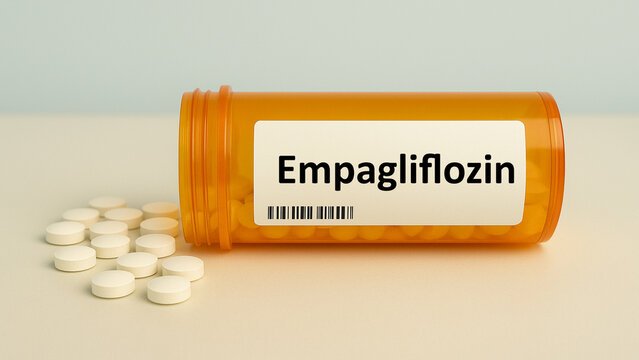
Best for: Type 2 diabetes + heart and kidney protection
Common brand name: Jardiance
How Empagliflozin Works
Empagliflozin belongs to the SGLT2 inhibitor class. It works by:
- Blocking glucose reabsorption in the kidneys
- Removing excess sugar through urine
- Lowering blood glucose levels independent of insulin
This mechanism makes it especially useful for insulin resistance.
Benefits of Empagliflozin
Doctors often recommend this medication because it may provide:
- Lower blood sugar and HbA1c
- Modest weight loss
- Lower blood pressure
- Reduced risk of heart failure complications
- Kidney-protective benefits in many patients
Common Side Effects
Because it increases glucose in urine, it can increase risk of:
- Urinary tract infections (UTIs)
- Yeast infections
- Increased urination
- Dehydration (if fluid intake is low)
It’s important to stay hydrated and maintain good hygiene.
5) Dapagliflozin (SGLT2 Inhibitor)
Best for: Type 2 diabetes + kidney and heart support
Common brand name: Farxiga
How Dapagliflozin Works
Dapagliflozin works similarly to empagliflozin by helping the body remove extra glucose through urine.
Benefits of Dapagliflozin
This medication is widely used because it may:
- Improve blood sugar control
- Support weight loss
- Help reduce blood pressure
- Offer heart and kidney benefits
Many doctors choose it for patients with cardiovascular risk or kidney concerns, depending on individual clinical needs.
Common Side Effects
Side effects are similar to other SGLT2 inhibitors:
- UTIs and yeast infections
- Increased urination
- Risk of dehydration
- Rare risk of diabetic ketoacidosis (even with normal blood sugar in some cases)
Your doctor may advise monitoring ketones in certain situations.
6) Sitagliptin (DPP-4 Inhibitor)
Best for: Type 2 diabetes (milder cases or combination therapy)
Common brand name: Januvia
How Sitagliptin Works
Sitagliptin is a DPP-4 inhibitor, which helps increase levels of natural incretin hormones. It works by:
- Boosting insulin release after meals
- Reducing glucagon release
- Supporting stable post-meal blood sugar control
Benefits of Sitagliptin
- Convenient once-daily oral tablet
- Low risk of hypoglycemia (alone)
- Generally weight-neutral
- Good add-on option with metformin
Common Side Effects
- Headache
- Mild stomach upset
- Upper respiratory symptoms (occasionally)
Some people may experience joint pain or rare pancreas-related issues, so medical supervision matters.
7) Glimepiride (Sulfonylurea)
Best for: Type 2 diabetes (cost-effective glucose lowering)
Common brand name: Amaryl
How Glimepiride Works
Glimepiride is part of the sulfonylurea class. It works by:
- Stimulating the pancreas to produce more insulin
It can be effective, but it must be used carefully.
Benefits of Glimepiride
- Strong glucose-lowering effects
- Affordable and widely available
- Works quickly in many patients
Common Side Effects
Sulfonylureas are known for two key risks:
- Hypoglycemia (low blood sugar)
- Weight gain
People who skip meals, eat irregularly, or are elderly may have higher hypoglycemia risk.
8) Gliclazide (Sulfonylurea)
Best for: Type 2 diabetes (common in many countries)
Availability: Often used in India, UK, and many regions
How Gliclazide Works
Like glimepiride, gliclazide stimulates insulin release from the pancreas.
Benefits of Gliclazide
- Effective blood sugar lowering
- Often used when metformin alone is not enough
- Available in modified-release versions for better control
Common Side Effects
- Low blood sugar (hypoglycemia)
- Weight gain
- Dizziness if blood sugar drops
This drug can work well but requires careful dosing and meal consistency.
9) Pioglitazone (Thiazolidinedione / TZD)
Best for: Type 2 diabetes with insulin resistance
Common brand name: Actos
How Pioglitazone Works
Pioglitazone improves insulin sensitivity by acting on fat and muscle cells. It helps the body use insulin more effectively, especially in insulin-resistant patients.
Benefits of Pioglitazone
- Improves insulin sensitivity
- Can reduce blood sugar over time
- Useful in combination therapy
It’s not always a first choice, but it’s still used in certain cases.
Common Side Effects
- Weight gain
- Fluid retention (swelling)
- Increased risk of heart failure worsening in some people
Doctors are cautious with this drug in patients with heart conditions.
10) Acarbose (Alpha-Glucosidase Inhibitor)
Best for: Post-meal blood sugar control
Common brand name: Precose (availability varies)
How Acarbose Works
Acarbose works in the gut. It slows carbohydrate digestion so glucose enters the bloodstream more gradually.
This makes it helpful for people who struggle mainly with post-meal sugar spikes.
Benefits of Acarbose
- Targets after-meal glucose rise
- Can be combined with other medications
- Doesn’t usually cause hypoglycemia alone
Common Side Effects
Since it affects digestion, side effects are mostly gastrointestinal:
- Gas
- Bloating
- Diarrhea
Some people stop using it because of discomfort, but starting low and increasing slowly can help.
Bonus: Other Diabetes Medications Worth Knowing
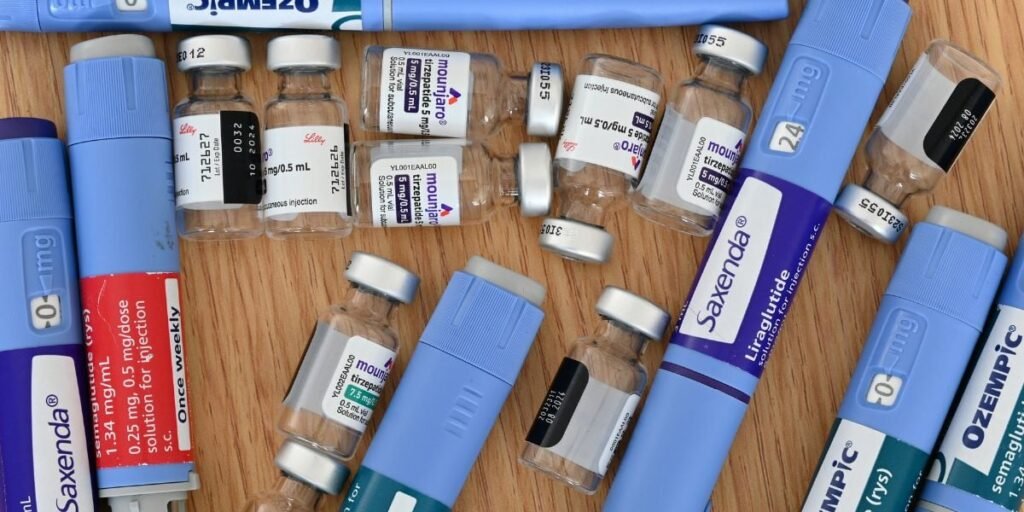
Even though we listed the top 10, there are other commonly prescribed options, including:
- Liraglutide (GLP-1 agonist)
- Dulaglutide (GLP-1 agonist)
- Canagliflozin (SGLT2 inhibitor)
- Linagliptin (DPP-4 inhibitor)
- Repaglinide (meglitinide)
- Insulin mixtures (premixed insulin)
Your doctor may choose these depending on your needs, availability, and medical history.
Best Diabetes Medication for Type 2 Diabetes
Most treatment plans for type 2 diabetes follow a general pathway:
Step 1: Lifestyle + Metformin
- Diet improvements
- Physical activity
- Weight management
- Metformin
Step 2: Add a Second Drug (If Needed)
Depending on your goals, your doctor may add:
- GLP-1 receptor agonist (for weight loss + strong control)
- SGLT2 inhibitor (for heart/kidney benefits)
- DPP-4 inhibitor (gentle add-on option)
- Sulfonylurea (effective but hypoglycemia risk)
Step 3: Insulin (If Blood Sugar Still High)
Some people eventually require insulin, especially if:
- HbA1c remains high despite tablets
- Pancreas insulin production decreases over time
- Blood sugar is very high at diagnosis
Best Diabetes Medication for Type 1 Diabetes
For type 1 diabetes, insulin is the foundation of treatment.
Many patients use:
- Long-acting insulin (basal)
- Rapid-acting insulin (bolus before meals)
- Continuous glucose monitoring (CGM)
- Insulin pump therapy (optional)
Type 1 diabetes requires careful daily monitoring, and insulin dosing is personalized.
How to Choose the Right Diabetes Medication
Choosing the best diabetes medicine isn’t just about which drug is “strongest.” It’s about which one fits your life and body.
Here are the biggest factors doctors consider:
1) Your HbA1c and Blood Sugar Levels
Your HbA1c shows average blood sugar over three months. Mild elevations may respond to metformin alone. Higher levels often require combination therapy or insulin for better long-term control.
2) Your Weight Goals
If weight loss matters, some diabetes medicines support it naturally. GLP-1 drugs like semaglutide reduce appetite, while SGLT2 inhibitors help remove glucose through urine, aiding weight control.
3) Heart Health Risk
People with heart disease or high cardiovascular risk may benefit from specific diabetes drugs. Some SGLT2 inhibitors and GLP-1 medications can support heart health while improving blood sugar control.
4) Kidney Function
Kidney health affects which diabetes medicines are safe. Some drugs need dose adjustments or avoidance with low kidney function. Doctors check creatinine and eGFR before choosing treatment options.
5) Risk of Hypoglycemia
Some medications can cause low blood sugar, especially insulin and sulfonylureas. If you have irregular meals or are older, doctors may choose options with lower hypoglycemia risk.
6) Cost and Availability
Medication cost matters for long-term consistency. Newer diabetes drugs may be expensive or unavailable. Affordable options like metformin and sulfonylureas are widely used and accessible in most regions.
7) Side Effects and Tolerance
Side effects impact daily use and long-term success. Metformin may cause stomach upset, GLP-1 drugs can cause nausea, and SGLT2 inhibitors may increase urination or infections.
Common Side Effects of Diabetes Medications
Here’s a quick, easy overview:
Medications that can cause low blood sugar:
- Insulin
- Sulfonylureas (glimepiride, gliclazide)
Medications that may cause stomach upset:
- Metformin
- GLP-1 drugs (semaglutide)
- Acarbose
Medications that may cause frequent urination:
- SGLT2 inhibitors (empagliflozin, dapagliflozin)
Medications that may cause weight gain:
- Insulin (sometimes)
- Sulfonylureas
- Pioglitazone
Medications that are weight-neutral or help weight loss:
- Metformin (neutral or slight loss)
- GLP-1 receptor agonists (loss)
- SGLT2 inhibitors (loss)
- DPP-4 inhibitors (neutral)
Diabetes Medication List by Drug Class
Biguanide
- Metformin
Insulin
- Rapid-acting insulin
- Long-acting insulin
- Premixed insulin
GLP-1 Receptor Agonists
- Semaglutide
- Liraglutide
- Dulaglutide
SGLT2 Inhibitors
- Empagliflozin
- Dapagliflozin
- Canagliflozin
DPP-4 Inhibitors
- Sitagliptin
- Linagliptin
- Saxagliptin
Sulfonylureas
- Glimepiride
- Gliclazide
- Glipizide
Thiazolidinediones (TZDs)
- Pioglitazone
Alpha-Glucosidase Inhibitors
- Acarbose
This format is helpful for readers searching for “diabetes medicine names list” or “diabetes drug classes.”
Natural Support vs Diabetes Medication
A lot of people search online for:
- “natural diabetes treatment”
- “herbal diabetes medicine”
- “best supplement for blood sugar”
While lifestyle changes like healthy eating, exercise, sleep, and stress management can help significantly, they are not a replacement for prescribed medication, especially in type 1 diabetes or advanced type 2 diabetes.
If you want to try supplements, do it with medical guidance because some can interact with diabetes medications and cause low blood sugar.
Tips to Make Diabetes Medications Work Better
Here are practical, real-life tips that help most people:
1) Take Your Medicine Consistently
Take your diabetes medicines at the same time daily to maintain steady blood sugar control. Use alarms, pill organizers, or reminders. Skipping doses can cause glucose spikes and poor results.
2) Don’t Skip Meals (If You’re on Insulin or Sulfonylureas)
If you take insulin or sulfonylureas, avoid skipping meals because it may cause low blood sugar. Eat on time, carry healthy snacks, and balance carbs with protein daily.
3) Track Your Blood Sugar
Monitor your blood sugar regularly to see patterns and avoid sudden highs or lows. Tracking helps you understand how meals, exercise, stress, and medicines affect your glucose daily.
4) Stay Hydrated
Drink enough water daily to support healthy blood sugar control and prevent dehydration. This is especially important with SGLT2 inhibitors, which increase urination and can cause weakness.
5) Combine Medication with a Balanced Diet
Medication works best when paired with:
- Fiber-rich foods
- Protein with meals
- Lower sugar intake
- Controlled portions of carbs
6) Keep Regular Doctor Follow-Ups
Doctors may adjust dosage based on:
- HbA1c results
- Kidney function tests
- Side effects
- Weight changes
FAQ:
What is the most commonly prescribed diabetes medication?
For type 2 diabetes, metformin is one of the most commonly prescribed first-line medications.
What is the best diabetes medication for weight loss?
Many people see weight loss benefits with GLP-1 receptor agonists, especially semaglutide.
Which diabetes medicine is safest for long-term use?
It depends on the person, but metformin has a long history of safe use for many patients. However, all medications require monitoring.
Can diabetes be controlled without medication?
Some people with early type 2 diabetes can manage it with lifestyle changes. But many people still need medication, and that’s completely normal.
Can you take more than one diabetes medicine?
Yes. Combination therapy is common, especially when blood sugar targets are not met with a single medication.
What happens if diabetes medication is stopped suddenly?
Stopping medication without medical supervision can lead to high blood sugar and complications. Always consult your doctor first.
Final Thoughts:
Diabetes medications play a key role in keeping blood sugar stable and reducing long-term health risks. From trusted options like metformin and insulin to newer choices such as GLP-1 and SGLT2 inhibitors, each treatment works differently based on your needs.
The best medication depends on your diabetes type, lifestyle, and medical history. Always follow your doctor’s advice, monitor glucose regularly, and stay consistent for better results.\


