
Pregnancy is a stage filled with excitement, learning and constant physical changes. These changes help your body grow and support the baby, but they can also affect how your system handles sugar. One condition many expecting mothers hear about is gestational diabetes, a temporary form of diabetes that appears during pregnancy. It is more common than most people think and usually manageable with timely care.
Understanding the symptoms helps women feel more prepared and confident throughout their pregnancy journey. This guide walks you through everything you need to know about gestational diabetes symptoms, why they appear, how they affect your pregnancy and which signs deserve closer attention. The goal is to keep you informed in a calm, supportive and easy-to-understand way.
This article is not medical advice. It simply explains what gestational diabetes looks like and when to talk to a healthcare professional.
What Gestational Diabetes Means
Gestational diabetes happens when your body has difficulty processing glucose during pregnancy. Hormonal changes from the placenta can reduce how well your cells respond to insulin. When this happens, sugar stays in the bloodstream longer than it should.
Unlike type 1 or type 2 diabetes, gestational diabetes is temporary and often resolves shortly after delivery. Many women who experience it did not have diabetes before pregnancy and may not have it afterward. It develops because pregnancy hormones influence the body’s response to insulin.
Knowing this helps you approach the subject with less fear and more confidence. It is a common condition, and with early detection and proper monitoring, women continue to have healthy pregnancies and healthy babies.
Why Gestational Diabetes Develops
During pregnancy, the placenta releases hormones that support your baby’s development. These hormones can interfere with insulin action, making your body less efficient at controlling glucose levels. This is called insulin resistance.
As pregnancy progresses:
- Glucose builds up in the bloodstream
- The pancreas works harder to produce insulin
- Sometimes the body cannot keep up
These changes are natural and vary from person to person. Genetics, activity level, medical history and body weight can also play a role. It is important to understand that gestational diabetes is not caused by something you did wrong. It is simply how the body adapts to pregnancy.
Common Symptoms of Gestational Diabetes
Gestational diabetes symptoms can be obvious or subtle. Some women notice changes early, while others may feel completely normal. Because pregnancy already brings many changes, it can be hard to tell symptoms apart. Below are the most common signs to look out for.
1. Increased Thirst
Feeling unusually thirsty is one of the most frequent signs. When glucose levels rise, the kidneys work harder to filter out the excess sugar. This process removes additional fluid, which increases thirst. You may notice yourself drinking more water than usual or feeling thirsty even after hydrating.
2. Frequent Urination
Frequent bathroom trips are expected during pregnancy, but gestational diabetes can make them more frequent. When the kidneys filter glucose, they also remove water, which increases urination. If you find yourself needing to go much more often than normal, it may be worth mentioning.
3. Fatigue or Low Energy
Fatigue is common in pregnancy, but gestational diabetes can deepen that tired feeling. When glucose is not being properly absorbed by the body, your energy levels can fluctuate. Several women describe a sense of exhaustion that does not improve with rest.
4. Blurred Vision
High blood sugar can affect the fluid levels in the eyes, causing temporary blurred vision. This is a mild symptom but noticeable enough to feel different from normal pregnancy-related eye strain.
5. Changes in Hunger and Cravings
Gestational diabetes may create shifts in appetite. You may feel hungry shortly after eating or crave sweets more strongly. These hunger patterns often reflect changes in glucose levels.
6. Dry Mouth
A dry or sticky mouth can accompany increased thirst. Even after drinking water, the dryness may linger because of fluid loss through urination.
7. Nausea or Upset Stomach
Some women experience nausea beyond the typical morning sickness phase. When sugar levels fluctuate, digestion can feel inconsistent or unsettled.
8. Recurrent Infections
Gestational diabetes may contribute to more frequent:
- Yeast infections
- Urinary tract infections
Elevated glucose creates conditions that allow bacteria or yeast to grow more easily.
9. Unexpected Weight Changes
Some women gain weight faster than expected, while others struggle to gain the recommended amount. These changes may relate to glucose imbalances.
Subtle or Overlooked Symptoms
Gestational diabetes does not always show strong or obvious signs. In many cases, the symptoms are soft, easy to overlook and may blend in with normal pregnancy changes. Paying attention to these gentle signals can help you notice patterns earlier and start conversations with your healthcare provider if needed.
1. Mild Swelling
Swelling in pregnancy is common, especially in the feet and ankles. However, when glucose levels are higher than usual, fluid retention may become slightly more noticeable. The swelling might appear in the hands, fingers or around the feet, and it may feel more persistent than normal pregnancy swelling.
2. Headaches
Headaches can happen during pregnancy for many reasons, but dehydration caused by elevated glucose levels can make them more frequent. These headaches might feel mild yet recurring, especially on days when you feel more thirsty than usual.
3. Mood Swings or Irritability
Glucose plays a direct role in mood regulation. When levels fluctuate, emotions can shift more quickly. Some women experience irritability, mood dips or moments of emotional sensitivity that feel stronger than typical hormonal changes.
4. Difficulty Concentrating
Pregnancy can naturally affect focus, but gestational diabetes may increase these moments of brain fog. You might notice difficulty staying focused, remembering tasks or processing thoughts clearly.
These subtle symptoms are easy to dismiss, but recognizing them early can support better awareness during pregnancy.
When No Symptoms Appear at All?
Many women have gestational diabetes without any noticeable symptoms. This is why routine screening is essential. Even if you feel healthy, your provider will check glucose levels between 24 and 28 weeks. Early testing may be recommended if you have higher risk.
This helps ensure that any glucose imbalance is identified early, even in the absence of symptoms.
Risk Factors for Gestational Diabetes

Gestational diabetes can develop in any pregnancy, even when a woman is healthy and active. However, some factors can increase the likelihood of experiencing it. Understanding these risk factors does not mean you will develop gestational diabetes, but it helps you stay more aware of your body and communicate more effectively with your healthcare provider. Awareness leads to faster detection, which supports a healthier and more comfortable pregnancy.
Below are the most common factors linked to a higher chance of gestational diabetes, explained in a simple and reassuring way.
1. Family History of Diabetes
A family history of diabetes, whether type 1, type 2 or gestational, may increase your chances. This connection usually reflects genetics and patterns in how the body manages glucose. If your parents, siblings or close relatives have diabetes, it is helpful to be extra mindful of glucose testing during pregnancy.
2. Previous Gestational Diabetes
If you experienced gestational diabetes in a past pregnancy, you may be more likely to develop it again. This happens because your body has shown a previous sensitivity to pregnancy-related insulin changes. The positive news is that familiarity often makes it easier to manage with confidence the next time.
3. Age Over 25 or 30
Age can naturally affect how the body responds to insulin. Women over 25 have a slightly higher risk, and the likelihood continues to increase through the thirties. This happens simply because insulin sensitivity changes gradually as we age. Many women over 30 experience perfectly healthy pregnancies, but extra awareness is helpful.
4. Higher Body Weight Before Pregnancy
Pre-pregnancy weight can influence how the body processes glucose. A higher body mass index (BMI) may increase the chance of insulin resistance, which can lead to gestational diabetes. This does not mean weight alone determines risk, but it is one factor among many that healthcare providers consider.
5. PCOS (Polycystic Ovary Syndrome)
PCOS is one of the more well-known risk factors. Women with PCOS often experience hormonal and insulin-related changes, which can make glucose levels harder to manage during pregnancy. If you have PCOS, your provider may schedule earlier or more frequent glucose screenings as a precaution.
6. Sedentary Lifestyle
Physical activity helps the body use insulin more efficiently. When daily movement is limited, the risk of insulin resistance increases. Women with less active lifestyles may have a higher chance of experiencing gestational diabetes. Gentle movement during pregnancy can support better glucose balance, but always follow guidance from your healthcare provider.
7. Carrying Twins or Multiples
Expecting twins or multiples brings stronger hormonal shifts compared to a single pregnancy. These higher hormone levels can increase insulin resistance, making gestational diabetes more likely. Many women with multiple pregnancies stay healthy throughout, but extra monitoring is common.
8. Ethnic Patterns
Certain ethnic groups may have a higher general tendency toward gestational diabetes due to genetic factors. These patterns are population-based and do not define individual outcomes. Every woman’s body is unique, and lifestyle, health history and prenatal care all play important roles.
How Gestational Diabetes Is Diagnosed
Gestational diabetes is identified through routine prenatal screening. These tests are a standard part of pregnancy care and help ensure both mother and baby stay healthy. Screening usually takes place between 24 and 28 weeks, when pregnancy hormones are at their peak and glucose changes are more noticeable. Women with higher risk factors may be tested earlier to monitor their levels more closely.
1. Glucose Screening Test
The first step is often a simple glucose screening test. You’ll be asked to drink a sweet, flavored liquid that contains a measured amount of glucose. After one hour, a blood sample is taken to check how your body processed that sugar. This test does not require fasting and serves as an initial indicator. If your blood sugar is within the expected range, no further testing is needed.
2. Glucose Tolerance Test
If the initial screening shows higher-than-expected glucose levels, your provider may recommend a glucose tolerance test. This is a longer and more detailed assessment. You may need to fast beforehand. After drinking another glucose solution, your blood is drawn multiple times over the next few hours. This test shows how efficiently your body handles rising and falling glucose levels and gives a clearer picture of your overall response.
3. Early Testing
Some women are tested earlier in pregnancy if they have factors like previous gestational diabetes, PCOS or a strong family history of diabetes. Early testing helps monitor glucose trends before symptoms appear.
4. What Testing Feels Like
Most women find these tests straightforward and painless. The sweet drink may taste strong, but it is manageable, and the blood draws are routine. The results give your provider important information about how your body is processing sugar during pregnancy, helping guide your care with confidence and clarity.
After Diagnosis: What Happens Next
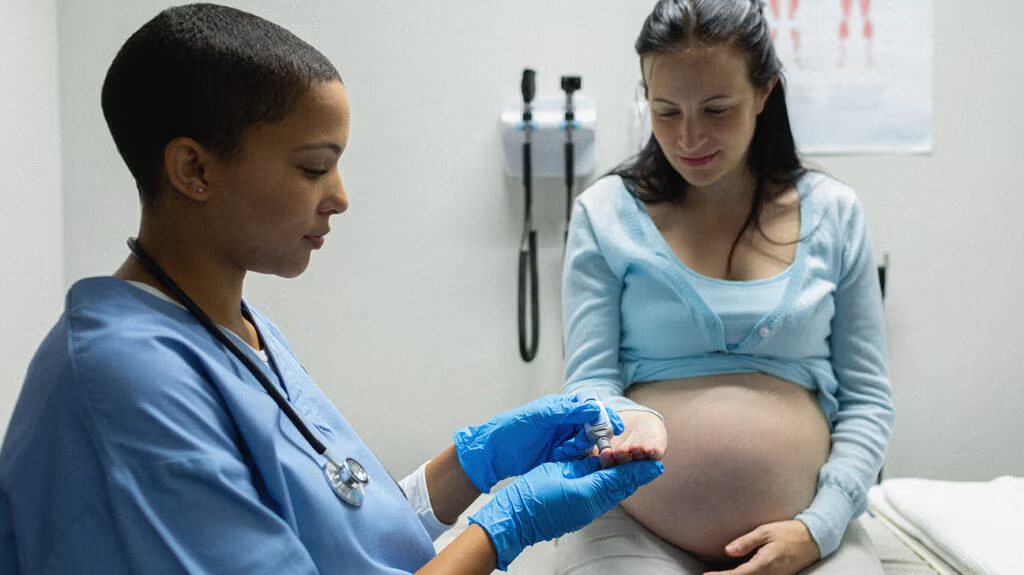
A gestational diabetes diagnosis does not mean something is wrong. It simply means your provider will guide you with a care plan designed to support a healthy pregnancy. This may include:
- Monitoring glucose levels
- Learning meal timing strategies
- Light physical activity recommendations
- More frequent prenatal check-ins
The goal is always the same: keep both mother and baby safe and healthy.
Lifestyle Support for Gestational Diabetes
Lifestyle habits play an important role in supporting overall wellness during pregnancy, especially when managing gestational diabetes. These habits are not medical treatments, but they help create a balanced environment for steady glucose levels and a healthier daily rhythm. Small, consistent changes can make a noticeable difference in how you feel throughout your pregnancy.
1. Balanced Eating Patterns
Focusing on balanced meals that include fiber, protein and wholesome carbohydrates can help support more stable glucose levels. Choosing meals that digest slowly may help you feel fuller longer and maintain steady energy.
2. Regular Movement
Gentle physical activity such as walking, stretching or prenatal exercises supports natural glucose use. Movement helps your body process sugar more efficiently, and even short daily sessions can be beneficial.
3. Stay Hydrated
Water plays a key role in digestion and metabolism. Staying hydrated supports healthy circulation and helps your body stay in rhythm throughout the day.
4. Manage Stress
Stress hormones can influence glucose balance. Relaxation techniques like deep breathing, light stretching or quiet rest can help keep your system steady.
5. Healthy Sleep
Consistent sleep supports hormones that regulate hunger, energy and glucose levels. A good sleep routine helps your body stay balanced.
6. Track Your Patterns
Writing down meals, snacks and physical sensations helps you understand what affects your comfort and energy. Recognizing patterns early supports better daily choices.
These simple habits help create a supportive foundation for a healthier pregnancy experience.
Medical Options (General Overview)
Some women may need additional medical support depending on glucose patterns. Any decision is tailored by healthcare professionals based on the individual’s needs.
Why Untreated Gestational Diabetes Matters?
Untreated gestational diabetes can influence pregnancy progression. This is why screening, monitoring and supportive care matter. With proper attention, most women experience healthy outcomes.
How Gestational Diabetes Affects Pregnancy Symptoms?
Gestational diabetes can influence how certain pregnancy symptoms feel, often making them slightly more noticeable. These changes vary from person to person, and many of them blend naturally into the overall pregnancy experience. Understanding how gestational diabetes can affect common sensations helps you stay aware of your body and communicate more effectively with your healthcare provider.
1. Energy Levels
Glucose is the body’s main source of energy. When levels fluctuate, it can impact stamina. Some women may feel more tired than expected, even after resting. This deeper fatigue often comes from the body working harder to keep glucose levels steady.
2. Weight Changes
Gestational diabetes may affect how quickly weight changes during pregnancy. Some women gain weight faster, while others may find it difficult to gain the expected amount. These differences often reflect how the body processes and stores glucose.
3. Cravings
Sugar swings can influence hunger and cravings. A sudden increase or decrease in glucose can trigger stronger cravings, especially for sweet or carbohydrate-rich foods. These cravings may appear more intense than normal pregnancy appetite shifts.
4. Fluid Retention
Some women notice slightly increased swelling in the hands, feet or ankles. Hormonal changes combined with glucose fluctuations can influence how the body holds onto water, making swelling a bit more noticeable.
These changes are common and manageable with proper guidance and monitoring.
Gestational Diabetes and Baby’s Wellness
Healthy glucose levels support healthy growth and development. Consistent monitoring helps ensure both mother and baby stay on track. Most women with gestational diabetes go on to have healthy babies.
Preventive Measures for Future Pregnancies
Women who have experienced gestational diabetes once may want to prepare differently for future pregnancies. Simple wellness habits can help support long-term health.
- Healthy Weight Before Pregnancy
- Regular Physical Activity
- Balanced Nutrition
- Routine Checkups
- Planning Pregnancy Health Early
These steps help support the body before and during pregnancy.
Life After Delivery
After giving birth, glucose levels usually return to normal. However, follow-up testing helps confirm this.
- Postpartum Glucose Testing
- Short-Term and Long-Term Changes
- Maintaining Healthy Habits
- Ongoing Checkups
A postpartum wellness routine helps you feel your best.
Must Read:
- Diet For Gestational Diabetes During Third Trimester
- Gestational Diabetes Effects on Baby
- What Happens If Gestational Diabetes Is Not Controlled?
FAQs:
Can I have gestational diabetes without symptoms?
Yes. Many women have no noticeable signs.
Does it always return in future pregnancies?
Not always. Risk varies.
Will my baby develop diabetes?
Gestational diabetes does not automatically affect the baby’s future health.
Can healthy women get gestational diabetes?
Yes. It can happen to anyone.
Does it go away after birth?
Many cases resolve soon after delivery.
Final Thoughts:
Gestational diabetes can sound intimidating at first, but awareness brings confidence. Recognizing symptoms, understanding risk factors and staying consistent with prenatal checkups help ensure a healthy pregnancy experience. Many women manage gestational diabetes successfully and deliver healthy babies.
Your healthcare provider is your best partner in this journey. With the right support, you can move through pregnancy feeling informed, calm and empowered.