
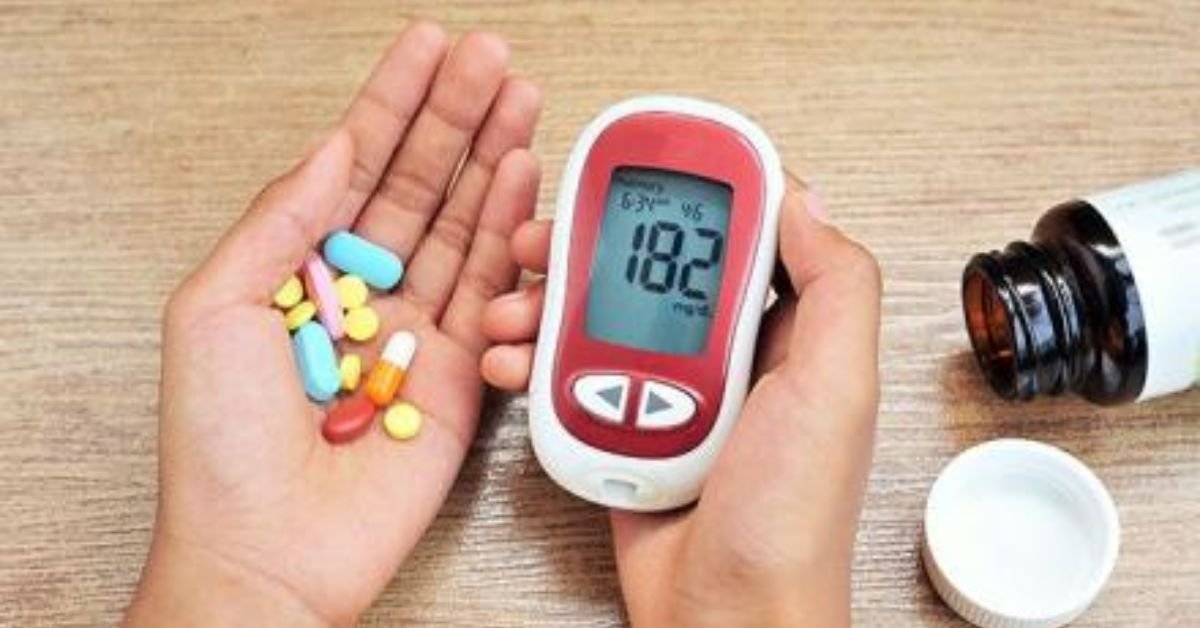
Type 2 Diabetes has become one of the most common chronic conditions globally, affecting millions of people across different age groups and lifestyles. It is primarily characterised by insulin resistance and high blood sugar levels, leading to long-term complications such as heart disease, kidney failure, nerve damage, and vision problems. Managing this condition has historically required a combination of lifestyle changes, medications, and, in more severe cases, insulin therapy. However, recent innovations have significantly reshaped the approach to Type 2 Diabetes treatment.
In the last decade, medical research has made remarkable strides in introducing more effective and patient-friendly methods of controlling blood sugar levels. From new medications that not only regulate glucose but also protect the heart, to technologies that allow patients to track their sugar levels in real-time, the landscape of Type 2 Diabetes treatment is evolving rapidly. What was once a disease managed primarily with strict diet control and injections has now entered an era of advanced science and personalised medicine.
This article explores 10 key breakthroughs in Type 2 Diabetes treatment that are transforming patient care. Each breakthrough offers unique benefits, ranging from improved blood sugar management to reducing the risks of severe complications. Together, they represent a future where Type 2 Diabetes is not just controlled but managed in smarter, more effective ways that enhance quality of life.
1. Advanced Glucose Monitoring Technologies
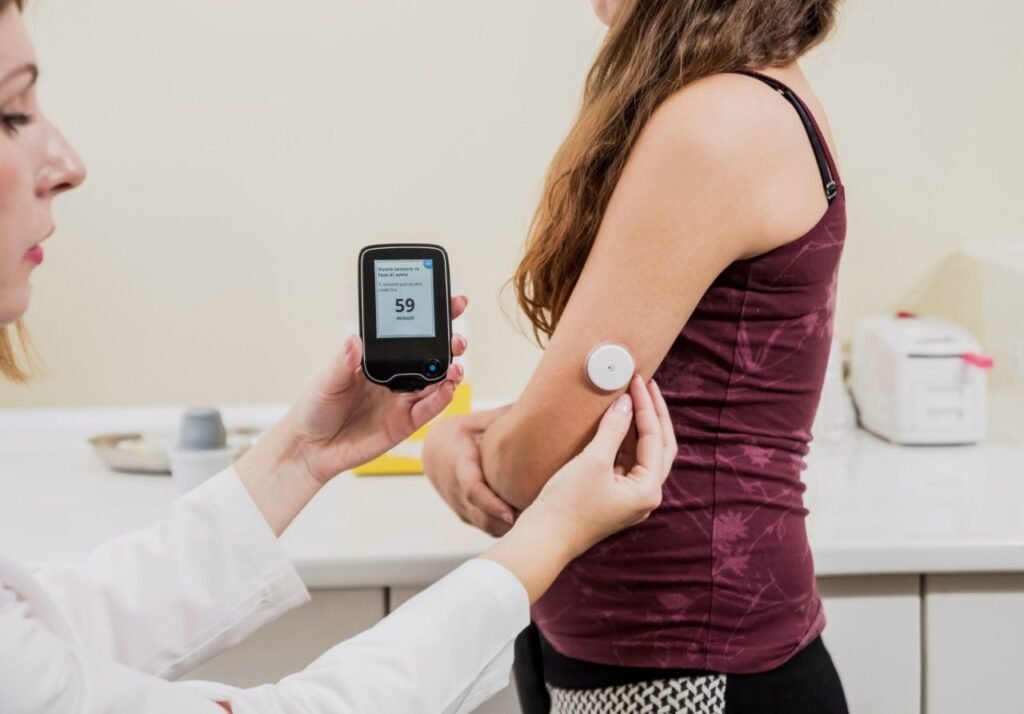
One of the biggest challenges for people with diabetes has always been monitoring their blood sugar. Traditional methods required frequent finger-prick tests, which could be inconvenient and painful. A major breakthrough in Type 2 Diabetes treatment has been the development of continuous glucose monitoring (CGM) systems. These devices use a small sensor placed under the skin that continuously tracks glucose levels, sending real-time data to smartphones or wearable devices.
The advantage of CGM in Type 2 Diabetes treatment is that it provides continuous insights, allowing patients to see how meals, exercise, and medications affect their glucose. This data helps in making quick adjustments to lifestyle and treatment plans. Some CGMs even alert users when blood sugar is dangerously high or low, preventing emergencies.
Additionally, smart insulin patches and AI-driven apps are emerging as complementary tools. These patches deliver insulin based on glucose readings, while apps use machine learning to predict glucose spikes and recommend adjustments in diet or activity. Such innovations in glucose monitoring are empowering patients to take proactive control, making Type 2 Diabetes treatment more precise and effective.
2. Next-Generation Insulin Delivery Methods
Insulin therapy has long been associated with injections, which many patients find uncomfortable. A breakthrough in Type 2 Diabetes treatment has been the advancement in next-generation insulin delivery methods. Smart insulin pens, for instance, not only deliver the correct dose but also track injection times and amounts, syncing data to mobile apps for better record-keeping.
Another innovation in Type 2 Diabetes treatment is the evolution of insulin pumps. Modern pumps now come with automated systems that adjust insulin delivery based on glucose readings from CGMs. This creates a “closed-loop system,” often referred to as an artificial pancreas, which significantly reduces the burden on patients.
Needle-free insulin delivery is another promising area of research. Techniques such as inhaled insulin and transdermal patches are being developed to eliminate the discomfort associated with injections. By simplifying insulin therapy, these breakthroughs make Type 2 Diabetes treatment less invasive, more consistent, and more patient-friendly.
3. GLP-1 Receptor Agonists & Dual Agonists
The development of GLP-1 receptor agonists has been a game-changer in Type 2 Diabetes treatment. These medications mimic the hormone GLP-1, which helps regulate blood sugar by increasing insulin release, slowing digestion, and reducing appetite. Beyond controlling glucose, GLP-1 receptor agonists have the added benefit of promoting weight loss, which is crucial in managing Type 2 Diabetes.
Even more promising are dual agonists, such as Tirzepatide, which combine GLP-1 with GIP (another hormone that influences insulin and appetite). Clinical studies show that these medications not only lower blood sugar effectively but also result in substantial weight loss and reduced risk of cardiovascular disease. In Type 2 Diabetes treatment, dual agonists represent one of the most powerful innovations currently available.
The appeal of these drugs lies in their ability to address multiple aspects of Type 2 Diabetes at once—blood sugar, weight, and heart health. This multi-action approach makes them one of the most comprehensive solutions in modern Type 2 Diabetes treatment.
4. SGLT2 Inhibitors: Expanding Benefits
Another milestone in Type 2 Diabetes treatment has been the rise of SGLT2 inhibitors. These medications work by preventing the kidneys from reabsorbing glucose, instead allowing it to be excreted through urine. Initially developed for blood sugar control, research has revealed broader benefits, particularly for heart and kidney health.
SGLT2 inhibitors, such as Empagliflozin and Canagliflozin, are now widely used in Type 2 Diabetes treatment because they reduce the risk of heart failure and protect kidney function. These extra benefits are crucial, as cardiovascular disease and kidney failure are among the most serious complications of Type 2 Diabetes.
By targeting both glucose levels and long-term complications, SGLT2 inhibitors are considered one of the most impactful breakthroughs in Type 2 Diabetes treatment. Their ability to provide a dual benefit has made them a preferred option for many patients and doctors.
5. Precision Medicine in Diabetes Care
Traditional approaches to Type 2 Diabetes treatment often rely on a one-size-fits-all strategy. However, advancements in precision medicine are changing this. By using genetic testing, biomarkers, and advanced data analytics, doctors can now classify patients into different subtypes of Type 2 Diabetes. This allows for more personalised treatment plans tailored to individual needs.
For example, some patients respond better to certain drugs than others due to genetic variations. Precision medicine helps identify these differences, ensuring the right medication is prescribed from the start. This reduces trial-and-error in Type 2 Diabetes treatment and improves outcomes.
Personalised diet plans are another aspect of precision medicine. By analysing genetic and metabolic factors, nutritionists can design diets that work best for specific patients, making lifestyle changes more effective. This breakthrough ensures that Type 2 Diabetes treatment becomes more efficient, targeted, and sustainable.
6. Stem Cell and Beta Cell Regeneration Therapies
One of the most exciting frontiers in Type 2 Diabetes treatment is the use of stem cell therapy and beta cell regeneration. In Type 2 Diabetes, insulin-producing beta cells in the pancreas become dysfunctional. Scientists are now developing ways to regenerate or replace these cells, restoring natural insulin production.
Stem cell-derived beta cell transplants have shown promising results in clinical trials. By reintroducing healthy, functioning cells into the body, patients may achieve better glucose control without lifelong medication. Researchers are also exploring methods to stimulate the body’s own beta cells to regenerate.
Although still in early stages, these therapies hold potential for transforming Type 2 Diabetes treatment from long-term management to possible reversal. If successful, they could reduce dependence on medications and provide a more permanent solution.
7. Weight Loss Breakthroughs: Medications & Bariatric Advances
Obesity is one of the strongest risk factors for Type 2 Diabetes, and addressing it plays a key role in treatment. Recent breakthroughs in weight loss medications and bariatric surgery have shown remarkable effects on glucose control. Medications such as Semaglutide, originally designed for diabetes, are now approved for weight management and have demonstrated significant reductions in blood sugar levels.
In addition, advances in bariatric surgery techniques, such as minimally invasive procedures, have made surgery safer and more accessible. Studies show that many patients who undergo bariatric surgery experience remission of Type 2 Diabetes, with reduced or no need for medications.
By combining weight loss strategies with other therapies, this breakthrough has revolutionised Type 2 Diabetes treatment. It highlights the strong link between weight management and glucose control, offering patients a comprehensive path to better health.
8. Artificial Intelligence in Diabetes Management
Artificial intelligence (AI) is increasingly being integrated into Type 2 Diabetes treatment. AI-powered tools can predict blood sugar fluctuations by analysing patterns from CGMs, diet logs, and activity trackers. These predictions allow for better decision-making, preventing dangerous highs and lows.
Doctors are also using AI-based platforms to analyse patient data and recommend personalised treatment adjustments. This enhances accuracy and reduces the burden on healthcare professionals, particularly in settings with limited resources.
For patients, AI-driven apps provide meal suggestions, track activity, and even suggest medication adjustments under supervision. By making diabetes management more interactive and adaptive, AI is emerging as one of the most practical tools in modern Type 2 Diabetes treatment.
9. Nutraceuticals & Functional Foods

Beyond pharmaceuticals, interest in nutraceuticals and functional foods has grown as part of Type 2 Diabetes treatment. Compounds such as berberine, curcumin, and resveratrol have shown potential in improving insulin sensitivity and reducing blood sugar. While not replacements for medications, these supplements can complement standard treatments.
Another exciting development is the role of probiotics in restoring gut microbiome balance. Research suggests that gut bacteria play a role in insulin resistance, and improving gut health may benefit diabetes management. Functional foods, such as fibre-rich products and fortified beverages, are also being designed to help regulate blood sugar.
These natural approaches are making Type 2 Diabetes treatment more holistic. By integrating science-backed nutraceuticals and diet, patients can achieve better long-term outcomes alongside conventional therapies.
10. Digital Health & Telemedicine Integration
The COVID-19 pandemic accelerated the adoption of telemedicine and digital health platforms, which are now integral to Type 2 Diabetes treatment. Patients can consult doctors virtually, reducing the need for frequent hospital visits. Remote monitoring allows healthcare providers to track patient progress and adjust treatments in real-time.
Digital platforms also provide patient education, support groups, and lifestyle management tools. For individuals in rural or underserved areas, telemedicine bridges the gap, making expert diabetes care more accessible and affordable.
This breakthrough highlights the importance of accessibility in Type 2 Diabetes treatment. With digital tools, patients can stay connected with healthcare providers and receive continuous support, improving adherence and outcomes.
Challenges and Future Directions
While these breakthroughs are promising, challenges remain in making them accessible and affordable worldwide. Advanced therapies like stem cell treatments are still expensive and not widely available. Some medications, despite their effectiveness, may have side effects or require long-term studies to confirm safety.
The future of Type 2 Diabetes treatment will likely involve a combination of advanced drugs, digital tools, and personalised care. Global collaboration among researchers, healthcare providers, and policymakers is essential to ensure these innovations reach all patients, regardless of location or income level.
Must Read:
- Difference Between Type 1 and 2 Diabetes
- What Are the Risk Factors for Type 2 Diabetes?
- What Causes Type 2 Diabetes?
- New Diabetes Treatment Success
FAQs:
1. What is the newest drug approved for Type 2 Diabetes treatment?
The latest breakthrough drug is Tirzepatide, a dual agonist that targets both GLP-1 and GIP receptors. It has shown excellent results in lowering blood sugar and supporting weight loss, making it one of the most effective options in modern Type 2 Diabetes treatment.
2. Can stem cell therapy cure Type 2 Diabetes?
Stem cell therapy is still in experimental stages. Early trials show promise in regenerating insulin-producing beta cells, but it is not yet a standard cure. However, it represents one of the most exciting future possibilities in Type 2 Diabetes treatment.
3. How effective are continuous glucose monitors compared to finger pricks?
Continuous glucose monitors provide real-time readings, trends, and alerts, making them more effective for day-to-day management compared to finger-prick tests. They allow for better decision-making in Type 2 Diabetes treatment by offering a complete picture of glucose fluctuations.
4. Do weight loss surgeries permanently reverse diabetes?
Many patients who undergo bariatric surgery experience remission of Type 2 Diabetes, but results may vary. Long-term success depends on maintaining healthy lifestyle habits. Still, bariatric surgery remains one of the most powerful tools in Type 2 Diabetes treatment.
5. Are natural supplements safe for diabetes patients?
Some nutraceuticals like berberine and curcumin show promising benefits, but they should be used under medical guidance. While they can complement standard medications, they should not replace prescribed drugs in Type 2 Diabetes treatment.
6. What role does AI play in diabetes care today?
AI supports Type 2 Diabetes treatment by predicting glucose trends, suggesting lifestyle adjustments, and helping doctors personalise care. With AI-powered apps, patients gain real-time support that enhances daily management and improves long-term outcomes.
Conclusion:
The past decade has brought extraordinary progress in Type 2 Diabetes treatment, offering patients better tools, more effective medications, and innovative therapies. From advanced monitoring systems to AI-driven apps and regenerative medicine, the treatment landscape is becoming more patient-friendly, precise, and holistic.
These 10 breakthroughs highlight a hopeful future where Type 2 Diabetes is no longer a lifelong struggle but a manageable condition with fewer complications. By combining science, technology, and personalised care, we are moving closer to an era where effective management—and even reversal—of Type 2 Diabetes becomes a reality.


