
Blood sugar is one of those health topics everyone has heard about, but very few people fully understand. Most of us know that “high sugar is bad” and “low sugar is dangerous,” yet the details are often confusing. What numbers are actually normal? At what point does blood sugar become risky? And how dangerous is it really if your levels are a little off for a short time?
This guide answers those questions clearly and in depth. It is written for regular people, not doctors, but it does not oversimplify. By the end, you will understand what blood sugar is, how it is measured, what ranges are considered safe, and which levels are genuinely dangerous and require immediate action.
Whether you have diabetes, prediabetes, or are simply health conscious, knowing these numbers can help you avoid serious complications and make smarter choices every day.
Understanding Blood Sugar in Simple Terms
Blood sugar, also called blood glucose, refers to the amount of glucose present in your bloodstream at any given time. Glucose comes mainly from the food you eat, especially carbohydrates such as rice, bread, fruits, sugar, and starchy vegetables.
Your body uses glucose as its primary source of energy. Every cell, especially brain cells, depends on a steady supply of glucose to function properly. To manage this, the pancreas releases insulin, a hormone that helps glucose move from your blood into your cells.
When this system works well, blood sugar stays within a healthy range. Problems start when insulin is not produced in sufficient amounts or when the body becomes resistant to it. This leads to blood sugar levels that are either too high or too low, both of which can be dangerous.
How Blood Sugar Is Measured
Blood sugar is measured in milligrams per deciliter, written as mg/dL, in many countries including India and the United States. In some other regions, it is measured in mmol/L. This article uses mg/dL for consistency.
Blood sugar can be checked in several ways:
- Fasting blood sugar, measured after at least 8 hours without eating
- Postprandial blood sugar, measured 1 to 2 hours after a meal
- Random blood sugar, measured at any time of day
- HbA1c test, which shows average blood sugar over the past 2 to 3 months
Each method gives different information, and all are useful in understanding overall blood sugar control.
Normal Blood Sugar Levels for Healthy Adults
For someone without diabetes, blood sugar usually stays within a narrow range.
Normal fasting blood sugar
- 70 to 99 mg/dL
Normal blood sugar 2 hours after eating
- Less than 140 mg/dL
Random blood sugar
- Usually below 140 mg/dL
These numbers may vary slightly depending on the lab, age, and individual health, but they provide a solid reference point.
What Is Considered Prediabetes?
Prediabetes means blood sugar levels are higher than normal but not high enough to be diagnosed as diabetes. It is a serious warning sign, not a harmless stage.
Fasting blood sugar (prediabetes)
- 100 to 125 mg/dL
2-hour post-meal blood sugar
- 140 to 199 mg/dL
HbA1c
- 5.7% to 6.4%
Prediabetes significantly increases the risk of developing type 2 diabetes, heart disease, and stroke. The good news is that lifestyle changes at this stage can often reverse the condition.
Blood Sugar Levels That Indicate Diabetes
Diabetes is diagnosed when blood sugar consistently stays above certain thresholds.
Fasting blood sugar (diabetes)
- 126 mg/dL or higher
2-hour post-meal blood sugar
- 200 mg/dL or higher
Random blood sugar
- 200 mg/dL or higher with symptoms
HbA1c
- 6.5% or higher
Once these levels are reached, ongoing management becomes necessary to prevent complications.
When Does Blood Sugar Become Dangerous?
Not all high or low readings are immediately life threatening, but certain levels are considered dangerous and require prompt attention.
Danger can come from two directions:
- Blood sugar that is too low (hypoglycemia)
- Blood sugar that is too high (hyperglycemia)
Both situations can cause serious harm if not treated quickly.
Low Blood Sugar: How Low Is Dangerous?
Low blood sugar, or hypoglycemia, usually refers to a blood glucose level below 70 mg/dL. However, the level of danger increases as the number drops further.
Mild Hypoglycemia (60 to 69 mg/dL)
At this stage, symptoms may be subtle or mild:
- Hunger
- Shakiness
- Sweating
- Mild anxiety
- Slight dizziness
This level is not usually dangerous if treated promptly by eating or drinking something with sugar.
Moderate Hypoglycemia (40 to 59 mg/dL)
Symptoms become more noticeable and disruptive:
- Confusion
- Difficulty concentrating
- Rapid heartbeat
- Blurred vision
- Irritability
This level is dangerous if ignored. Immediate treatment is required to prevent further decline.
Severe Hypoglycemia (Below 40 mg/dL)
This is a medical emergency.
Possible consequences include:
- Loss of consciousness
- Seizures
- Brain damage
- Coma
- Death if untreated
At this level, a person may not be able to treat themselves. Emergency medical help is critical.
Why Low Blood Sugar Is So Dangerous

The brain depends almost entirely on glucose for energy. When blood sugar drops too low, the brain is starved of fuel. Unlike other organs, it cannot switch easily to alternative energy sources.
Prolonged or repeated episodes of severe hypoglycemia can cause permanent brain injury. In extreme cases, it can be fatal.
People with diabetes who use insulin or certain oral medications are at higher risk, especially if meals are skipped or physical activity increases unexpectedly.
High Blood Sugar: How High Is Dangerous?
High blood sugar, or hyperglycemia, is often less immediately dramatic than low blood sugar, but it can be just as dangerous, especially over time.
Mild Hyperglycemia (140 to 180 mg/dL)
This range is common after meals, especially in people with diabetes.
Possible symptoms:
- Increased thirst
- Frequent urination
- Fatigue
- Mild headache
Occasional readings in this range are usually not an emergency, but persistent levels indicate poor control.
Moderate Hyperglycemia (180 to 250 mg/dL)
At this level, the body is under stress.
Symptoms may include:
- Blurred vision
- Dry mouth
- Increased hunger
- Difficulty concentrating
If sustained, this level increases the risk of complications and may require medication adjustment.
Severe Hyperglycemia (Above 250 mg/dL)
Blood sugar above 250 mg/dL is considered dangerous, especially if it stays high for several hours or days.
Potential risks:
- Severe dehydration
- Electrolyte imbalance
- Damage to blood vessels and organs
At this level, testing for ketones may be necessary, especially for people with type 1 diabetes.
Extremely High Blood Sugar Levels (Above 400 mg/dL)
Blood sugar levels above 400 mg/dL are a medical emergency.
This range can lead to life threatening conditions such as:
- Diabetic ketoacidosis
- Hyperosmolar hyperglycemic state
- Coma
- Death
Immediate medical attention is required.
Dangerous Complications Caused by Very High Blood Sugar
When blood sugar remains dangerously high, the body cannot use glucose properly. This leads to serious metabolic disturbances.
Diabetic Ketoacidosis
This condition occurs mainly in people with type 1 diabetes but can also affect those with type 2 diabetes in rare cases.
It happens when the body breaks down fat too quickly, producing ketones that make the blood acidic.
Warning signs include:
- Nausea and vomiting
- Abdominal pain
- Rapid breathing
- Fruity smelling breath
- Confusion
Without treatment, this condition can be fatal.
Hyperosmolar Hyperglycemic State
This condition usually affects older adults with type 2 diabetes.
It develops slowly over days or weeks and is marked by:
- Extremely high blood sugar
- Severe dehydration
- Altered consciousness
This condition also requires emergency care.
How Long Can Dangerous Blood Sugar Levels Be Tolerated?
The answer depends on how high or low the level is, and how quickly it changes.
- Severe hypoglycemia can cause damage within minutes
- Very high blood sugar can cause acute complications within hours or days
- Moderately high blood sugar causes long term damage over months or years
Even if symptoms are mild, chronic exposure to unhealthy levels increases the risk of serious complications.
Long Term Damage from Poor Blood Sugar Control
Dangerous blood sugar levels do not only cause emergencies. Over time, they silently damage the body.
Heart and Blood Vessels
High blood sugar damages blood vessel walls, increasing the risk of:
- Heart attack
- Stroke
- High blood pressure
Nerve Damage
Chronic high blood sugar can damage nerves, leading to:
- Numbness or tingling
- Burning pain
- Loss of sensation, especially in the feet
This increases the risk of injuries and infections.
Kidney Damage
The kidneys filter excess glucose from the blood. Over time, this strain can lead to:
- Protein leakage in urine
- Reduced kidney function
- Kidney failure
Eye Damage
High blood sugar damages the small blood vessels in the eyes, leading to:
- Blurred vision
- Diabetic retinopathy
- Vision loss or blindness
Who Is Most at Risk of Dangerous Blood Sugar Levels?
Some groups are more vulnerable than others.
- People with type 1 diabetes
- People with type 2 diabetes on insulin or sulfonylureas
- Older adults
- Pregnant women with gestational diabetes
- People with kidney or liver disease
- Individuals with irregular eating patterns
Understanding personal risk helps in taking preventive steps.
Warning Signs That Need Immediate Medical Attention
Seek emergency care if blood sugar levels are accompanied by:
- Loss of consciousness
- Seizures
- Confusion or disorientation
- Persistent vomiting
- Rapid breathing
- Severe weakness
Do not wait for symptoms to improve on their own.
What To Do If Blood Sugar Is Too Low
Immediate action can save a life.
- Consume 15 to 20 grams of fast acting carbohydrates
- Examples include glucose tablets, fruit juice, or sugar dissolved in water
- Recheck blood sugar after 15 minutes
- Repeat if necessary
If the person is unconscious, do not give food or drink by mouth. Seek emergency help.
What To Do If Blood Sugar Is Too High
Steps depend on the severity.
- Drink water to prevent dehydration
- Check blood sugar regularly
- Follow medication or insulin correction guidelines
- Test for ketones if advised
Seek medical help if blood sugar remains above 300 mg/dL or symptoms worsen.
Can Stress and Illness Cause Dangerous Blood Sugar Levels?
Yes. Stress hormones raise blood sugar levels, even in people without diabetes. Illness, infections, surgery, and emotional stress can all cause sudden spikes.
This is why sick day management is critical for people with diabetes.
Blood Sugar Targets for People with Diabetes
Targets may vary, but common goals include:
- Fasting: 80 to 130 mg/dL
- 2 hours after meals: less than 180 mg/dL
Individual targets should always be set with a healthcare provider.
Preventing Dangerous Blood Sugar Levels
Prevention is more effective than treatment.
Key strategies include:
- Regular blood sugar monitoring
- Balanced meals with controlled carbohydrates
- Consistent physical activity
- Proper medication use
- Stress management
- Adequate sleep
Small, daily habits make a big difference.
The Role of Diet in Blood Sugar Safety
Diet plays a major role in keeping blood sugar stable.
Focus on:
- Whole grains instead of refined carbs
- Lean proteins
- Healthy fats
- High fiber vegetables
- Limiting sugary drinks and processed foods
Eating at regular intervals helps prevent sudden drops or spikes.
Physical Activity and Blood Sugar Control
Exercise improves insulin sensitivity and lowers blood sugar, but it must be managed carefully.
- Monitor levels before and after exercise
- Carry fast acting carbs if prone to hypoglycemia
- Avoid intense exercise during very high blood sugar
Balance is key.
Monitoring Blood Sugar Effectively
Regular monitoring helps detect dangerous trends early.
Options include:
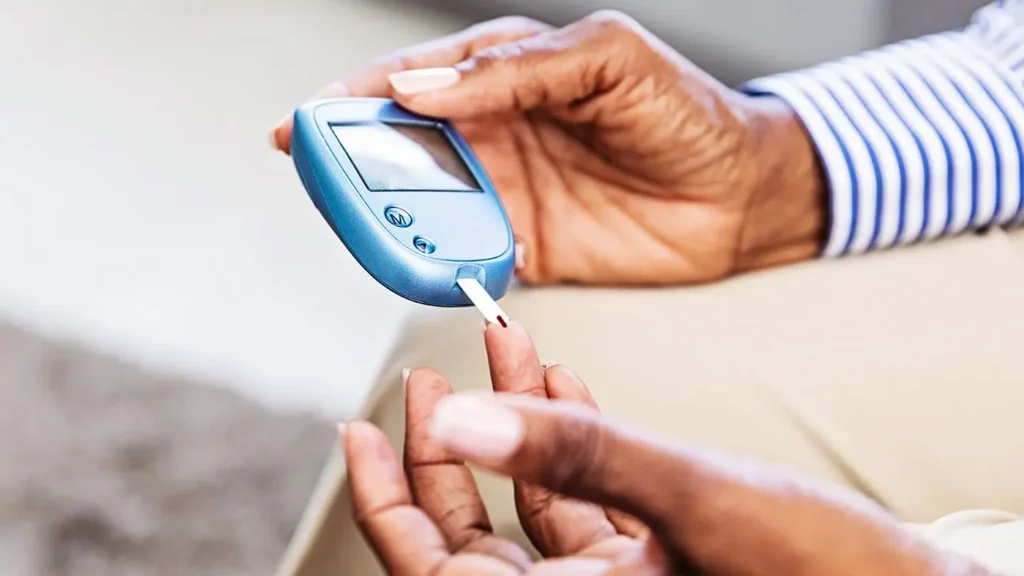
- Fingerstick glucose meters
- Continuous glucose monitors
Tracking patterns is often more useful than focusing on single readings.
Psychological Impact of Blood Sugar Extremes
Living with fluctuating blood sugar can be emotionally exhausting.
- Fear of hypoglycemia is common
- Anxiety about long term complications can be overwhelming
Support from healthcare professionals, family, and peer groups is important.
Common Myths About Dangerous Blood Sugar Levels
Many misconceptions cause unnecessary fear or neglect.
- A single high reading is not always an emergency
- Mild hypoglycemia is treatable and manageable
- Symptoms vary from person to person
Education reduces panic and improves decision making.
When To Talk to a Doctor
Consult a healthcare professional if:
- Blood sugar readings are frequently outside target range
- Hypoglycemia occurs often
- You experience unexplained symptoms
- Current treatment feels ineffective
Early adjustments prevent serious outcomes.
Final Thoughts:
Understanding what level of blood sugar is dangerous is not just for people with diabetes. It is essential knowledge for anyone who cares about long term health.
Low blood sugar below 40 mg/dL and high blood sugar above 250 to 300 mg/dL are particularly dangerous and require immediate action. Chronic exposure to moderately high levels silently damages the body over time.
The key takeaway is simple. Learn your numbers. Pay attention to patterns. Act early. With awareness, monitoring, and consistent habits, dangerous blood sugar levels are largely preventable.
If you want, I can also help you turn this into a pillar blog post with internal linking ideas, FAQs for featured snippets, or a meta title and description optimized for search.