Blood sugar, also known as blood glucose, is the body’s primary source of energy. Every cell relies on glucose to function, and maintaining stable blood sugar levels is crucial for health. The body works constantly to balance glucose through the hormones insulin and glucagon, ensuring there is neither too much nor too little in circulation.
When blood sugar drops below the healthy range, the body experiences a state known as low blood sugar, or hypoglycaemia. This condition can cause unpleasant symptoms and, in severe cases, become life-threatening if not addressed promptly.
Understanding what is considered low blood sugar is essential for people living with diabetes, but it’s also important for anyone who experiences sudden dips in glucose levels. Recognising symptoms early, knowing the causes, and learning how to respond can prevent serious complications. This article provides a detailed exploration of what counts as low blood sugar, who is most at risk, and how it can be managed and prevented effectively.
What is Low Blood Sugar?
Low blood sugar, medically referred to as hypoglycaemia, occurs when the concentration of glucose in the blood falls below normal. For most adults, the standard threshold is below 70 mg/dL (3.9 mmol/L). However, the exact number may vary depending on the person’s age, health status, and whether they have diabetes.
The normal blood sugar range is typically between 70–99 mg/dL (3.9–5.5 mmol/L) when fasting and up to 140 mg/dL (7.8 mmol/L) two hours after eating. If levels dip below the 70 mg/dL mark, symptoms of hypoglycaemia usually appear. Severe hypoglycaemia is often defined as levels below 54 mg/dL (3.0 mmol/L), where confusion, seizures, or loss of consciousness may occur.
Importantly, what is considered low blood sugar is not a fixed number for everyone. Some people may experience symptoms at slightly higher levels, especially if their body is accustomed to chronically high glucose. Conversely, those who experience frequent episodes may not notice symptoms until levels fall dangerously low. This variability highlights why awareness and personalised monitoring are vital.
Causes of Low Blood Sugar
Low blood sugar can happen for several reasons, and understanding the underlying cause is key to prevention.
1. Medical causes
The most common cause is diabetes treatment. People taking insulin or certain oral medications, such as sulfonylureas, may experience drops in blood sugar if the dosage is not balanced with food intake and activity.
2. Lifestyle factors
Skipping or delaying meals can lower glucose levels, as the body does not receive enough fuel. Intense physical activity without proper carbohydrate intake can also cause blood sugar to plummet, especially for athletes.
3. Health conditions
Other medical conditions, such as liver or kidney disease, can interfere with glucose regulation. Hormonal disorders affecting cortisol or growth hormone may also contribute to hypoglycaemia.
4. Alcohol
Drinking alcohol, particularly on an empty stomach, can lower blood sugar because the liver prioritises processing alcohol instead of releasing glucose.
5. Rare causes
In rare cases, conditions like insulinoma, a tumour of the pancreas that produces excess insulin, can cause recurrent hypoglycaemia. Some metabolic disorders also impair the body’s ability to maintain stable glucose levels.
Symptoms of Low Blood Sugar
Low blood sugar produces a range of symptoms, which can escalate from mild to severe. Recognising these signs early allows for quick action.
1. Early symptoms
- Shakiness or trembling
- Sweating
- Hunger
- Dizziness or light-headedness
- Rapid heartbeat
2. Moderate symptoms
- Headache
- Blurred vision
- Confusion or difficulty concentrating
- Irritability or mood changes
- Weakness or fatigue
3. Severe symptoms
- Seizures
- Loss of coordination
- Slurred speech
- Unconsciousness
- Coma in extreme cases
Symptoms can vary by individual. For instance, children may become unusually quiet or irritable, while older adults may show confusion without the typical warning signs. This makes regular monitoring especially important for those at higher risk.
Risks and Complications
Low blood sugar is not just uncomfortable; it can be dangerous.
2. Immediate risks
Severe hypoglycaemia can cause fainting, seizures, or accidents if a person is driving or operating machinery. These situations require urgent attention.
2. Long-term risks
Frequent episodes of low blood sugar can lead to hypoglycaemia unawareness, where the body stops sending warning signals. This increases the risk of severe events.
3. Impact on organs
Chronic hypoglycaemia can affect the brain, which relies heavily on glucose, potentially impairing memory and cognitive function. It can also stress the heart, increasing the risk of cardiovascular problems.
Who is at Risk of Low Blood Sugar?
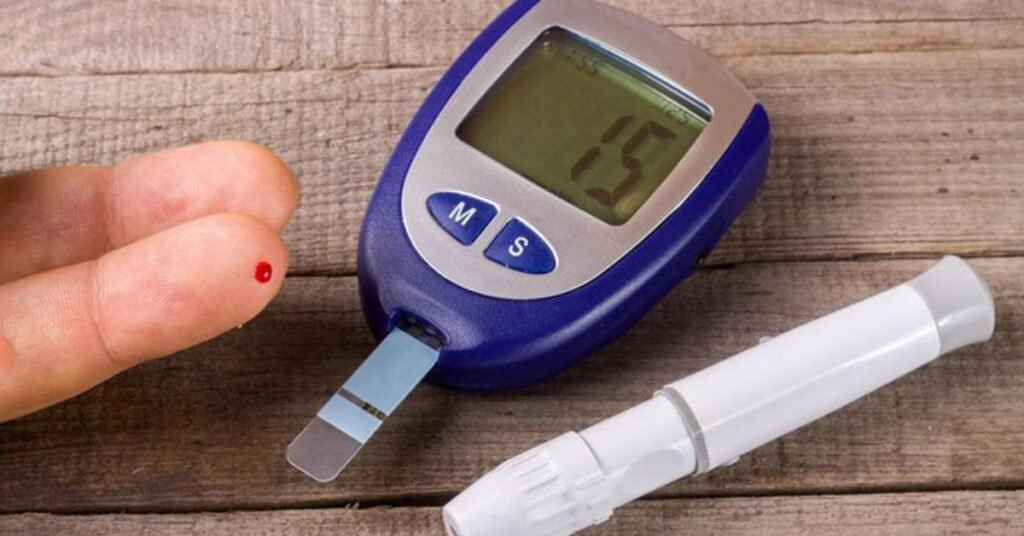
Some groups face a higher risk of hypoglycaemia than others:
- People with type 1 diabetes who rely on insulin therapy.
- People with type 2 diabetes taking insulin or medications that increase insulin release.
- Pregnant women with gestational diabetes, as their insulin needs fluctuate.
- Athletes and active individuals who burn glucose rapidly.
- Older adults, who may have other health conditions and atypical symptoms.
Each group requires tailored management strategies to minimise risk.
How is Low Blood Sugar Diagnosed?
Diagnosis involves both symptoms and blood glucose testing.
1. Blood glucose monitoring
Finger-prick tests using glucometers remain the most common method for measuring blood sugar levels.
2. Continuous glucose monitoring (CGM)
CGM devices provide real-time readings and alerts when blood sugar drops too low, making them especially useful for people with frequent episodes.
3. Symptom confirmation
Doctors often use Whipple’s triad: symptoms of hypoglycaemia, a low glucose reading, and relief of symptoms after treatment.
This combination ensures accurate diagnosis and prevents misinterpretation of unrelated symptoms.
Emergency Management of Low Blood Sugar
Responding quickly is vital when low blood sugar strikes.
1. Rule of 15
Consume 15 grams of fast-acting carbohydrates, such as glucose tablets, fruit juice, or honey. Recheck blood sugar after 15 minutes and repeat if still low.
2. Emergency options
If the person is unconscious or unable to swallow, a glucagon injection should be administered by a trained caregiver. Emergency services should be contacted immediately.
3. When to seek help
If symptoms persist after treatment or occur repeatedly, professional medical attention is essential.
Long-Term Management and Prevention
Preventing low blood sugar is more effective than constantly treating it.
- Balanced meals and snacks: Regular meals with healthy carbohydrates, protein, and fibre.
- Carbohydrate counting: Matching insulin doses to food intake.
- Medication adjustments: Working with a healthcare provider to tailor dosages.
- Routine monitoring: Using glucometers or CGMs to track trends.
- Lifestyle factors: Adequate sleep, stress management, and safe exercise practices.
These measures significantly reduce the frequency of hypoglycaemia.
Low Blood Sugar in Special Populations

Low blood sugar does not affect everyone in the same way. Certain groups, such as children, pregnant women, older adults, and even people without diabetes, may face unique risks and symptoms. Recognising these differences helps ensure timely care and effective prevention.
1. Children
Children are more vulnerable to low blood sugar because they may not recognise or describe symptoms clearly.
Low blood sugar in children can be particularly concerning because they may not always recognise or communicate their symptoms. Unlike adults, who can describe shakiness or dizziness, children might simply appear unusually tired, cranky, or quiet. Parents, teachers, and caregivers should look out for sudden changes in behaviour, mood swings, or difficulty concentrating in class.
For children with diabetes, routine blood sugar checks before meals, during physical activity, and at bedtime are vital. Keeping quick sources of glucose like juice boxes or glucose tablets nearby helps manage unexpected drops effectively.
2. Pregnant Women
Pregnancy can trigger fluctuations in blood sugar, especially for women with gestational diabetes.
Pregnant women, especially those with gestational diabetes, often face fluctuations in blood sugar levels due to hormonal changes. These fluctuations increase the risk of hypoglycaemia, particularly if insulin or certain medications are part of treatment. Episodes of low blood sugar during pregnancy can affect both mother and baby, making regular monitoring essential.
Small, frequent meals, careful carbohydrate planning, and consistent check-ins with healthcare providers help reduce risks. Carrying snacks and informing family members about emergency management are practical safety measures for expectant mothers.
3. Elderly Adults
Older adults may not show the usual symptoms, making detection more difficult.
Older adults may experience low blood sugar differently than younger individuals. Classic warning signs such as shakiness or sweating may be absent, and instead, confusion, dizziness, or difficulty with balance may appear. This can increase the risk of falls or accidents. Routine checks and caregiver awareness are key for maintaining safety in elderly populations.
4. Non-Diabetic Individuals
Low blood sugar can also occur in people without diabetes.
Some people experience reactive hypoglycaemia, where blood sugar drops a few hours after eating due to excessive insulin release. While usually not life-threatening, it can cause fatigue, irritability, and hunger. Dietary adjustments, such as smaller, balanced meals, often help manage this condition.
Myths and Misconceptions About Low Blood Sugar
Several myths surround hypoglycaemia:
- “Only diabetics get low blood sugar” – Non-diabetic individuals can also experience it.
- “Any food fixes it” – Not all foods act quickly; fast-acting carbs are best.
- “Caffeine or alcohol helps” – These can worsen the situation.
- “Symptoms are always obvious” – Some people may not recognise early signs.
Dispelling these myths helps people take the condition more seriously.
Role of Healthcare Professionals
Doctors, nurses, and dietitians play an essential role in managing hypoglycaemia. They:
- Adjust medication dosages.
- Provide nutritional counselling.
- Recommend technology such as CGMs.
- Create individualised management plans.
An endocrinologist may be consulted for complex or recurring cases.
Practical Tips for Daily Life
Living with the risk of low blood sugar requires preparation.
- Keep fast-acting snacks like glucose tablets handy.
- Educate family, friends, and colleagues about what to do in an emergency.
- Maintain a blood sugar journal to track triggers and patterns.
- Adjust daily routines, such as exercise timing, to prevent dips.
Simple daily strategies can provide peace of mind.
Future Research and Advances
Research is advancing toward reducing the risks of low blood sugar:
- Newer diabetes medications that lower glucose without hypoglycaemia risk.
- Improved CGM systems with predictive alerts.
- Artificial pancreas technology, which automates insulin delivery.
- Research into hormone-based treatments that stabilise blood sugar.
These innovations promise better quality of life for people at risk.
Must Read:
Conclusion:
Low blood sugar, or hypoglycaemia, occurs when blood glucose falls below normal levels, typically under 70 mg/dL. While it can affect anyone, it is especially common among people with diabetes. Recognising symptoms early and taking immediate action prevents complications.
Prevention through balanced meals, medication adjustments, regular monitoring, and awareness of personal triggers is key. With the support of healthcare professionals and new technologies, managing low blood sugar is becoming safer and more effective. Staying alert and informed ensures both safety and long-term wellbeing.