Diabetes is one of the fastest-growing health concerns worldwide, and its effects on women’s health can be unique, complex, and often under-recognised. While both men and women share common symptoms of diabetes, women may also experience gender-specific signs due to hormonal changes, reproductive health factors, and differences in how their bodies respond to high blood sugar levels. Understanding the symptoms of diabetes in women is essential for early detection, timely treatment, and long-term health management.
Diabetes occurs when your body either cannot produce enough insulin or cannot effectively use the insulin it produces, leading to elevated blood glucose levels. Left untreated, diabetes can lead to severe complications affecting the heart, kidneys, eyes, nerves, and reproductive health. The good news is that recognising the early warning signs especially those specific to women can lead to earlier diagnosis and better outcomes.
This comprehensive guide will explain common, early, and advanced symptoms of diabetes in women, explore how these symptoms affect various stages of life, and provide actionable advice on when to seek medical care. We’ll also discuss the different types of diabetes, risk factors, diagnostic processes, and management strategies.
Understanding Diabetes in Women
Diabetes is a growing global health issue, but its impact on women can be particularly complex due to hormonal differences, reproductive health factors, and varied lifestyle influences. While the biological mechanisms of diabetes are similar in both men and women, the way symptoms present, the risks involved, and the long-term effects can differ significantly for women. Understanding the condition’s definition, underlying causes, and the types of diabetes that can affect women is the first step toward prevention and management.
What Is Diabetes?
Diabetes is a chronic metabolic disorder characterised by elevated blood glucose (sugar) levels. This occurs when the body either:
- Does not produce enough insulin (Type 1 diabetes)
- Cannot use insulin effectively (Type 2 diabetes)
- Experiences temporary insulin resistance during pregnancy (Gestational diabetes)
Insulin is a hormone produced by the pancreas that helps glucose from food enter cells to be used for energy. Without proper insulin function, glucose builds up in the bloodstream instead of being absorbed by cells, leading to hyperglycaemia. Over time, consistently high blood sugar can damage blood vessels, nerves, and vital organs.
In women, diabetes may present additional challenges:
- Hormonal fluctuations during the menstrual cycle, pregnancy, and menopause can affect blood sugar regulation.
- Women may face higher risks for certain diabetes-related complications, including heart disease, kidney damage, and vision problems.
- Unique symptoms, such as increased risk of urinary tract and vaginal infections, can be early warning signs.
Types of Diabetes That Affect Women
Type 1 Diabetes
Type 1 diabetes is an autoimmune condition where the immune system mistakenly attacks and destroys the insulin-producing beta cells in the pancreas.
- Onset: Often in childhood or adolescence, but it can develop at any age.
- Impact on women: Type 1 diabetes requires lifelong insulin therapy and careful blood sugar monitoring. It can affect menstrual regularity, fertility, and pregnancy outcomes if not well controlled.
- Symptoms: Frequent urination, excessive thirst, unexplained weight loss, fatigue, and blurred vision.
Type 2 Diabetes
Type 2 diabetes is the most common form and is characterised by insulin resistance, where the body’s cells do not respond properly to insulin. Over time, the pancreas may also produce less insulin.
- Onset: Often after age 40, but increasingly seen in younger women due to sedentary lifestyles and poor diet.
- Impact on women: Strongly linked to obesity, hormonal imbalances like Polycystic Ovary Syndrome (PCOS), and post-menopausal weight gain.
- Symptoms: Can develop gradually, with signs such as fatigue, recurrent infections, slow-healing wounds, and tingling in hands or feet.
Gestational Diabetes
Gestational diabetes develops during pregnancy when hormonal changes cause temporary insulin resistance.
- Onset: Usually detected in the second or third trimester through glucose tolerance testing.
- Impact on women: Often resolves after childbirth, but increases the mother’s lifetime risk of developing Type 2 diabetes by up to 50%. It can also affect the baby’s birth weight and long-term metabolic health.
- Symptoms: Often mild or absent but may include fatigue, frequent urination, and excessive thirst.
Prediabetes
Prediabetes is a condition where blood sugar levels are higher than normal but not high enough for a Type 2 diabetes diagnosis.
- Impact on women: A crucial warning stage where lifestyle changes can reverse or delay the onset of Type 2 diabetes.
- Symptoms: Usually asymptomatic, but subtle signs like weight gain, fatigue, and increased thirst may appear.
- Risk factors: Overweight, family history, high blood pressure, and history of gestational diabetes.
In summary, while diabetes affects both men and women, women face unique risks and symptom patterns due to biological and hormonal factors. Recognising the differences and understanding the specific type of diabetes is key to early detection, effective management, and improved long-term health outcomes.
Common Symptoms of Diabetes in Women
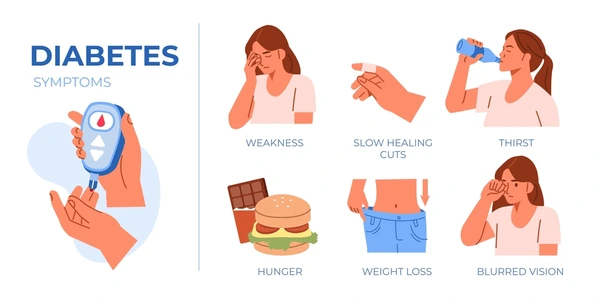
While both men and women share many hallmark signs of diabetes, women may experience additional or more pronounced symptoms due to hormonal influences, reproductive health factors, and variations in immune function. Recognising these warning signs early is crucial, as untreated diabetes can lead to long-term complications. Below are the most common symptoms experienced by women, along with the reasons they occur and their potential impact on daily life.
Increased Thirst and Frequent Urination
One of the earliest and most noticeable symptoms of diabetes in women is persistent thirst (polydipsia) accompanied by frequent urination (polyuria). Elevated blood sugar levels cause the kidneys to work overtime to filter and remove excess glucose from the bloodstream. This process pulls extra fluid from the body, resulting in more frequent trips to the bathroom and triggering dehydration.
Example: A woman may notice she is waking several times at night to urinate, despite reducing evening fluid intake. Over time, this dehydration can cause dry mouth, skin dryness, and headaches.
Unexplained Weight Loss
Women with Type 1 diabetes and in some cases poorly controlled Type 2 diabetes can experience rapid and unexplained weight loss. This occurs because the body cannot effectively use glucose for energy due to insufficient insulin or insulin resistance. As a result, it begins breaking down fat and muscle tissue for fuel.
Impact: Even if a woman is eating normally or more than usual, her body may still lose weight. This unintended loss can also lead to muscle weakness, reduced immunity, and overall fatigue.
Constant Fatigue
Persistent tiredness is a common symptom for women with undiagnosed or poorly managed diabetes. When glucose cannot enter the body’s cells, energy production is compromised, leaving a person feeling drained even after adequate sleep.
Additional factors: Dehydration, nutrient imbalances, and fluctuating blood sugar can intensify fatigue. Women may find that daily activities feel more exhausting, concentration becomes difficult, and productivity declines at work or home.
Blurred Vision
High blood sugar levels can cause the lenses of the eyes to swell, altering their shape and affecting the ability to focus. For women, this can present as intermittent blurred vision that comes and goes depending on blood sugar fluctuations.
Why it matters: While temporary in early stages, untreated diabetes can lead to diabetic retinopathy, a serious complication that damages the blood vessels in the retina and can result in permanent vision loss.
Slow-Healing Wounds
Uncontrolled diabetes can impair blood circulation and weaken immune system function, leading to slow healing of cuts, bruises, or infections. This is particularly concerning for women who may experience recurring skin injuries, foot blisters, or minor burns from daily activities.
Risks: Delayed healing increases susceptibility to infections, which can worsen quickly and require medical intervention. In severe cases, chronic wounds may lead to more serious complications, especially in the feet.
In summary, the common symptoms of diabetes in women such as increased thirst, unexplained weight loss, fatigue, blurred vision, and slow wound healing should never be ignored. Detecting these signs early and seeking prompt medical evaluation can prevent progression and reduce the risk of long-term complications.
Women-Specific Symptoms of Diabetes
While many symptoms of diabetes are shared between men and women, certain signs are uniquely relevant to women due to anatomical, hormonal, and reproductive health differences. Recognising these women-specific symptoms of diabetes is crucial, as they can serve as early indicators of blood sugar imbalances. Addressing these issues promptly can improve quality of life, prevent complications, and support better diabetes management.
Frequent Yeast Infections
High blood sugar levels provide the perfect environment for Candida (a type of yeast) to grow, particularly in the warm, moist vaginal area. Women with uncontrolled or undiagnosed diabetes often experience recurrent vaginal yeast infections, which may occur more than four times in a single year.
Symptoms include:
- Itching and irritation
- Thick, white vaginal discharge
- Burning sensation during urination or intercourse
Why it matters: Chronic yeast infections can be uncomfortable and affect sexual health. Effective blood sugar control significantly reduces recurrence rates.
Urinary Tract Infections (UTIs)
Diabetes increases the risk of urinary tract infections due to elevated glucose levels in urine, which encourage bacterial growth. Additionally, nerve damage caused by prolonged high blood sugar can affect bladder emptying, allowing bacteria to multiply.
Common UTI symptoms:
- Frequent urge to urinate
- Burning sensation during urination
- Cloudy or foul-smelling urine
Risks for women: UTIs can become recurrent and, if untreated, may spread to the kidneys, leading to more serious complications.
Polycystic Ovary Syndrome (PCOS) Connection
PCOS is a hormonal disorder that affects many women of reproductive age and is closely linked to insulin resistance a key factor in Type 2 diabetes. Women with PCOS often have irregular menstrual cycles, ovarian cysts, excess hair growth, and weight management challenges.
Impact on diabetes: Insulin resistance can worsen both PCOS and diabetes symptoms, creating a cycle of hormonal imbalance and metabolic dysfunction. Managing blood sugar is essential for improving PCOS symptoms and reducing diabetes risk.
Menstrual Irregularities
Blood sugar fluctuations can disrupt hormone production, leading to irregular menstrual cycles. Some women may experience longer or shorter cycles, missed periods, or unusually heavy bleeding.
Why it happens: Insulin influences reproductive hormones such as estrogen and progesterone. Poor glucose control can alter hormone levels, affecting ovulation and menstrual regularity.
Long-term concern: Chronic menstrual irregularities may affect fertility and overall reproductive health.
Reduced Sexual Desire and Vaginal Dryness
Diabetes can contribute to low libido and vaginal dryness through a combination of factors:
- Nerve damage affecting sensation
- Reduced blood flow to the pelvic area
- Hormonal imbalances lowering natural lubrication
Impact on women: These symptoms can cause discomfort during intercourse, strain relationships, and reduce quality of life. Managing blood sugar and discussing treatment options with a healthcare provider can help address these issues.
In summary, women-specific symptoms of diabetes such as frequent yeast infections, UTIs, PCOS-related complications, menstrual irregularities, and sexual health changes are important red flags. Early detection and proper management not only improve comfort and wellbeing but also reduce the risk of severe complications over time.
Early Symptoms of Diabetes in Women

Early detection can prevent serious complications. Early signs include:
- Increased thirst
- Fatigue
- Frequent urination
- Blurred vision
- Recurrent yeast infections
- Tingling in hands and feet
Advanced Symptoms of Untreated Diabetes
If diabetes remains undiagnosed or poorly controlled, symptoms can escalate:
- Nerve damage (neuropathy)
- Kidney disease (nephropathy)
- Vision loss (retinopathy)
- Frequent infections
- Non-healing ulcers
- Unexplained vomiting and nausea
Gestational Diabetes Symptoms in Women
Gestational diabetes often has no obvious symptoms but may include:
- Excessive thirst
- Frequent urination
- Fatigue
- Increased hunger
This type of diabetes requires close monitoring during pregnancy to protect both mother and baby.
How Hormones Affect Diabetes Symptoms in Women
Hormonal fluctuations during menstruation, pregnancy, and menopause can affect blood sugar control and intensify symptoms. Women may notice:
- Higher blood sugar before menstruation
- Increased insulin resistance during pregnancy
- Fluctuations in glucose levels during menopause
Risk Factors for Diabetes in Women
- Family history of diabetes
- Overweight or obesity
- Sedentary lifestyle
- High blood pressure
- High cholesterol
- History of gestational diabetes or PCOS
When to See a Doctor
Seek medical advice if you notice:
- Persistent thirst and urination changes
- Recurrent vaginal or urinary infections
- Blurred vision
- Slow-healing wounds
- Sudden weight loss without explanation
Diagnosis of Diabetes in Women
Common tests include:
- Fasting Blood Sugar
- HbA1c Test
- Oral Glucose Tolerance Test
- Random Blood Sugar Test
Managing Symptoms of Diabetes in Women
- Healthy Diet: Emphasise whole grains, lean proteins, and low-glycaemic fruits.
- Regular Exercise: At least 150 minutes of moderate activity weekly.
- Blood Sugar Monitoring: Track glucose levels daily.
- Medication or Insulin Therapy: As prescribed by a healthcare provider.
Complications from Uncontrolled Diabetes
- Cardiovascular disease
- Nerve damage
- Kidney failure
- Vision loss
- Limb amputations
- Sexual and reproductive health issues
Emotional and Mental Health Impact
Living with diabetes can increase the risk of depression and anxiety. Support groups, counselling, and lifestyle management can help.
Prevention Tips for Women at Risk
- Maintain healthy weight
- Eat a balanced diet
- Exercise regularly
- Get regular health screenings
- Avoid smoking and excessive alcohol
Must Read:
- What Causes Diabetes: Origins, Risks & Prevention Guide
- Can Diabetes Be Cured?
- Diabetes Management Guidelines
FAQs:
1. What are the first signs of diabetes in women?
Increased thirst, frequent urination, unexplained weight loss, fatigue, blurred vision, and recurrent yeast infections are often early symptoms of diabetes in women.
2. Can diabetes cause menstrual irregularities in women?
Yes. Blood sugar fluctuations can disrupt hormonal balance, leading to irregular periods, heavy bleeding, or missed cycles in women with uncontrolled diabetes.
3. Are urinary tract infections linked to diabetes in women?
Yes. High glucose levels in urine promote bacterial growth, increasing the risk of recurrent urinary tract infections in women with diabetes.
4. Does diabetes affect women’s sexual health?
Yes. Diabetes can cause vaginal dryness, low libido, and discomfort during intercourse due to nerve damage, hormonal imbalance, and reduced blood flow.
5. Can diabetes be mistaken for other conditions in women?
Yes. Early symptoms like fatigue, weight changes, and menstrual irregularities can overlap with other conditions, making accurate diagnosis important.
6. How can women reduce their risk of diabetes complications?
Maintaining healthy blood sugar through diet, exercise, regular monitoring, and medical care helps prevent complications in women with diabetes.
Conclusion:
Recognising the symptoms of diabetes in women is a critical step in prevention, early diagnosis, and effective treatment. Because some symptoms overlap with other health conditions, paying attention to your body and seeking timely medical advice can make a significant difference.
With proper lifestyle management, medical care, and awareness, women with diabetes can lead healthy, fulfilling lives while reducing the risk of long-term complications.