Millions of people across the globe ask the same pressing question every day: Can diabetes be cured? It’s a simple question but with a complicated answer. Diabetes, in all its forms, impacts life, health, and happiness. The desire for a cure is universal whether you’re newly diagnosed, living with diabetes for years, or supporting a loved one. But what does science really say? Is “cure” the right word? Or should we be talking about “control,” “remission,” or “reversal”?
This article answers all these questions in a clear, balanced, and up-to-date way, helping you understand what’s possible today and what the future may hold.
What is Diabetes? The Basics Explained
To discuss whether diabetes can be cured, it’s essential to first understand what diabetes is. Diabetes is a chronic health condition that affects how your body turns food into energy. It mainly involves a hormone called insulin, which regulates blood sugar (glucose) levels. If you have diabetes, your body either does not produce enough insulin, cannot use insulin properly, or both. This results in high blood sugar, which over time can cause serious health problems.
There are three major types of diabetes:
- Type 1 Diabetes: An autoimmune condition where the body attacks insulin-producing cells in the pancreas. Usually diagnosed in children or young adults, it requires lifelong insulin therapy.
- Type 2 Diabetes: The most common type, usually linked to lifestyle factors, where the body becomes resistant to insulin or doesn’t produce enough. It can often be managed with diet, exercise, and sometimes medication.
- Gestational Diabetes: Occurs during pregnancy and typically resolves after childbirth, though it increases the risk of developing type 2 diabetes later.
Each type raises unique questions about whether it can be cured.
The Truth About Curing Diabetes
Can Diabetes Be Cured? What Science Really Says
When people ask, “Can diabetes be cured?” they are usually hoping for a way to eliminate the disease entirely no more medication, no more blood sugar checks, no more worries. The scientific reality is different.
- Type 1 Diabetes: Currently, there is no cure for type 1 diabetes. The immune system destroys insulin-producing cells, and so far, medical science cannot reverse this. Research into immunotherapy, islet cell transplants, and artificial pancreases offers hope for the future, but a true cure is not yet available.
- Type 2 Diabetes: While there is no universal “cure,” many people with type 2 diabetes can achieve long-term remission through lifestyle changes, weight loss, or bariatric surgery. In remission, blood sugar levels return to the normal range without medication, but ongoing monitoring is essential.
- Gestational Diabetes: This form of diabetes usually goes away after delivery. However, it is not considered a cure, because there’s an increased risk of type 2 diabetes later.
Diabetes “Reversal” vs. “Cure”: What’s the Difference?
These terms often create confusion. Reversal or remission means blood sugar is controlled to non-diabetic levels without medication. Cure would mean the disease is gone and will not return, even without any lifestyle measures. Currently, reversal is possible in some cases of type 2 diabetes, but cure is not the term experts use.
Diabetes Myths and Misconceptions
Common Myths About Curing Diabetes
Many myths surround diabetes, often fueled by fake cures, misleading advertisements, or wishful thinking. Let’s set the record straight:
- “Natural remedies can cure diabetes.” No herbal or “miracle” cure can permanently reverse diabetes. Always consult a medical professional.
- “Weight loss cures all diabetes.” Weight loss can put type 2 diabetes into remission, but it’s not a guarantee or a cure, especially for type 1.
- “Stopping medication means you’re cured.” Some people may be able to reduce or stop medication, but only under a doctor’s supervision. Blood sugar monitoring remains crucial.
- “Once in remission, diabetes won’t come back.” Remission is not permanent. Changes in weight, lifestyle, or other factors can cause blood sugar to rise again.
Debunking Fake Diabetes Cures
Beware of anyone promising a “cure” for diabetes. Products and programs claiming to eliminate diabetes overnight are often scams. Effective diabetes management and possible remission require long-term, evidence-based strategies.
The Science of Diabetes Remission
How Can Diabetes Go Into Remission?
The concept of diabetes remission is mainly relevant to type 2 diabetes. Remission occurs when:
- Blood glucose returns to non-diabetic levels.
- This status is maintained for at least 6 months.
- No diabetes medications are used during this period.
Remission is most likely when diabetes is diagnosed early and major lifestyle changes are made.
Key Ways to Achieve Remission
- Weight Loss: Studies show that losing 10-15% of body weight can lead to remission in many people with type 2 diabetes.
- Low-Calorie Diets: Intensive calorie-restricted diets, often under medical supervision, can help restore normal blood sugar.
- Physical Activity: Regular exercise helps the body use insulin better and lowers blood sugar.
- Bariatric Surgery: Some people with obesity and diabetes achieve remission after weight-loss surgery.
Why is Remission Not a Cure?
Remission is not a cure because the risk of relapse is always present. Ongoing healthy habits and regular monitoring are vital. It’s also important to understand that not everyone can achieve remission, and that’s okay—managing diabetes well is still possible.
Can Type 1 Diabetes Ever Be Cured?
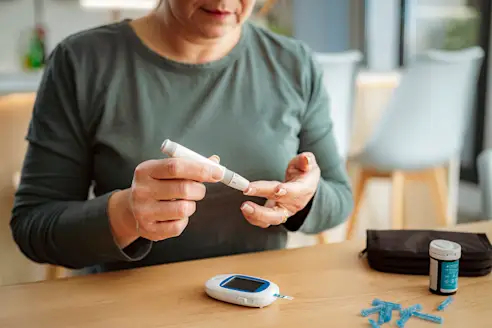
The Reality for Type 1 Diabetes
Unfortunately, type 1 diabetes is not curable with current medical science. It is an autoimmune condition, and once the body’s ability to make insulin is lost, it cannot be restored naturally.
Exciting Advances in Type 1 Diabetes Research
- Artificial Pancreas Technology: Closed-loop insulin delivery systems are making life easier for those with type 1 diabetes.
- Stem Cell Research: Scientists are exploring ways to grow new insulin-producing cells.
- Immunotherapy: Treatments aimed at stopping the immune system’s attack on the pancreas show promise.
While these advances offer hope for better management, a true cure remains in the future.
Hope for the Future Emerging Cures and Treatments
What Are Scientists Working On?
Researchers worldwide are working on multiple approaches to cure diabetes:
- Islet Cell Transplants: Replacing damaged cells with healthy ones from donors or stem cells.
- Gene Therapy: Correcting the genetic defects that cause diabetes.
- Beta Cell Regeneration: Finding drugs that help the pancreas regrow insulin-producing cells.
- Immunomodulation: Stopping the immune system from destroying healthy cells in type 1 diabetes.
These efforts have shown promising results in early studies, but more research is needed before a cure becomes widely available.
Managing Diabetes The Closest Thing to a “Cure” Today
While a permanent cure remains elusive, outstanding diabetes management is within everyone’s reach. Here are proven strategies:
1. Healthy Eating
- Focus on whole grains, lean proteins, healthy fats, and lots of vegetables.
- Limit processed foods, sugary drinks, and high-carb snacks.
2. Regular Exercise
- Aim for at least 150 minutes of moderate exercise per week.
- Activities like walking, swimming, or cycling help lower blood sugar.
3. Monitoring Blood Sugar
- Keep track of your numbers daily or as recommended.
- Use your results to guide food, activity, and medication choices.
4. Medication and Insulin
- Take medication as prescribed. Never skip doses.
- Work with your doctor to find the right treatment plan.
5. Stress Management
- Practice relaxation techniques like yoga, meditation, or deep breathing.
- Seek support from family, friends, or support groups.
6. Weight Management
- Even modest weight loss can improve blood sugar control and overall health.
Why Consistent Management is Key
Good diabetes management prevents complications and improves quality of life. For many with type 2 diabetes, consistent management can lead to remission even if it’s not a permanent cure.
Inspiring Patient Stories Real-Life Diabetes Remission
Success Stories: Remission is Possible
- Anna, 52: Diagnosed with type 2 diabetes, Anna lost 18kg through diet and daily walks. After a year, her blood sugar returned to normal and she stopped all medications under her doctor’s supervision.
- Manoj, 46: After bariatric surgery, Manoj no longer met the criteria for diabetes. He continues to eat healthily and exercise regularly to maintain his new status.
- Rita, 38: With support from her doctor and a local diabetes group, Rita managed to put her diabetes into remission for three years.
What These Stories Teach Us
These examples show that remission is possible with effort and support. However, ongoing monitoring and healthy habits are crucial. Not everyone will achieve remission, but everyone can improve their health.
Prevention Stopping Diabetes Before It Starts

Can Diabetes Be Prevented?
- Type 1 Diabetes: Currently, there is no known way to prevent type 1 diabetes.
- Type 2 Diabetes: Many cases are preventable. Steps include:
- Maintaining a healthy weight
- Eating a balanced diet
- Staying active
- Not smoking
- Limiting alcohol
Prevention is especially important for those with a family history of diabetes.
Medical Treatments What’s Available Today?
Medications for Type 1 and Type 2 Diabetes
- Type 1: Insulin is required. Other medications may help control blood sugar or prevent complications.
- Type 2: Multiple options exist, including metformin, GLP-1 receptor agonists, SGLT2 inhibitors, and insulin if needed.
The Role of Technology
Modern tools like continuous glucose monitors (CGMs), insulin pumps, and smartphone apps make diabetes management easier than ever.
Future Prospects What’s Next for Diabetes Care?
What Will It Take to Cure Diabetes?
Researchers agree that a cure will likely involve a combination of gene therapy, cell replacement, and immune system control. Clinical trials are ongoing. The future looks hopeful, but realistic expectations are essential.
Current Trials to Watch
- Beta cell regeneration therapies
- Advanced immunotherapy drugs
- Implantable insulin-producing devices
Stay informed and talk to your healthcare team about new developments.
Living Well With Diabetes The Path Forward
Building a Positive Mindset
While a cure remains out of reach for most, living a full, healthy, and happy life with diabetes is absolutely possible. Focus on what you can control your choices, habits, and mindset.
Support and Community
Connect with others who understand your journey. Support groups, online communities, and healthcare teams can offer advice, encouragement, and the latest information.
Quick Reference Table: Can Diabetes Be Cured?
| Diabetes Type | Is There a Cure? | Is Remission Possible? | Best Current Approach |
|---|---|---|---|
| Type 1 | No | No | Insulin, healthy lifestyle, tech |
| Type 2 | No (but remission likely) | Yes | Weight loss, diet, exercise |
| Gestational | Resolves after delivery | Not a true cure | Monitoring, follow-up |
Action Steps for Readers
- Consult your doctor before making any changes to your diabetes management plan.
- Adopt a healthy lifestyle and keep learning about new advances.
- Seek support from healthcare providers and peer communities.
- Stay optimistic about future breakthroughs in diabetes care.
Must Read:
- Diabetes Management Guidelines: Your Complete Guide to Living Better
- Can Diabetes Be Reversed?
- Nephrogenic Diabetes Insipidus: Causes, Symptoms, and Treatment
FAQs:
Q: Can diabetes be cured naturally?
A: No, but natural lifestyle changes can help manage or sometimes reverse type 2 diabetes.
Q: Is it possible to stop taking diabetes medication?
A: Only with your doctor’s guidance. Remission may allow some people to stop medications, but this is not the same as being cured.
Q: Does having diabetes mean a shorter life?
A: With good management, many people with diabetes live long, healthy lives.
Q: Are there any new breakthroughs in curing diabetes?
A: Yes, research in stem cells, immunotherapy, and gene editing is progressing rapidly.
Q: Should I trust websites or supplements claiming to cure diabetes?
A: No. Always seek medical advice and avoid unproven remedies.
If you want more tips or resources on managing diabetes, always consult with healthcare professionals or trusted diabetes organisations. The road to a cure may still be ahead, but you can take control of your health today.
Conclusion: Can Diabetes Be Cured? The Honest Answer
In summary, can diabetes be cured? As of now, there is no permanent cure for type 1 or type 2 diabetes. However, type 2 diabetes can often be put into remission with lifestyle changes, weight loss, and sometimes surgery. Type 1 diabetes research is making exciting strides, but a cure remains in the future. The most important thing is to take charge of your health today through balanced eating, regular activity, stress management, medication, and regular check-ups.
Key Takeaways:
- No permanent cure for diabetes exists yet.
- Remission is possible for some people with type 2 diabetes.
- Research is ongoing, and future cures may be within reach.
- Effective management is the best way to live well with diabetes right now.
If you or a loved one is dealing with diabetes, focus on proven strategies, stay hopeful for new advances, and remember: You are not alone.