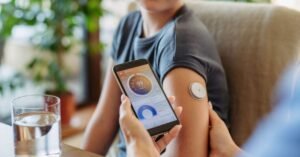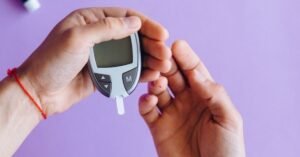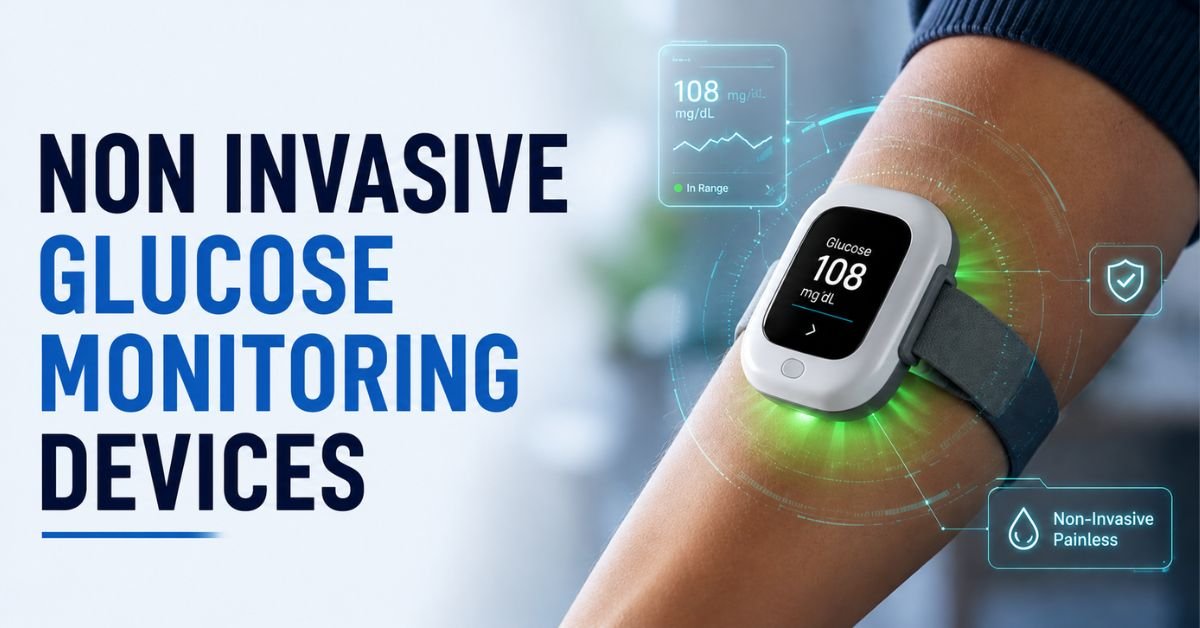
Non-invasive glucose monitoring devices are an emerging area of diabetes technology designed to measure or estimate glucose levels without drawing blood or inserting a sensor through the skin. The idea is simple: provide glucose information with less pain, fewer interruptions, and greater convenience than traditional finger-prick testing or minimally invasive continuous glucose monitors.
Researchers are exploring several approaches, including near-infrared spectroscopy, Raman spectroscopy, microwave sensing, bioimpedance, optical techniques, and other sensor technologies. These methods attempt to detect glucose-related signals through the skin or from other physiological characteristics.
However, an important distinction is necessary. Many products marketed as convenient or needle-free glucose monitors are not necessarily clinically validated Non Invasive Glucose Monitoring Devices. Some wearable devices may track related health measurements but should not automatically be considered replacements for an FDA-authorized glucose monitoring system.
What Are Non-Invasive Glucose Monitoring Devices?
Non-invasive glucose monitoring devices are technologies intended to estimate glucose levels without requiring a blood sample, lancet, or sensor inserted beneath the skin.
Traditional blood glucose meters require a small blood sample, usually obtained with a finger prick. Continuous glucose monitoring systems generally use a sensor inserted under the skin to measure glucose in interstitial fluid. Non-invasive technologies attempt to obtain glucose information externally, which could make glucose monitoring more comfortable and convenient.
The attraction of non-invasive glucose monitoring is particularly strong for people who need frequent glucose measurements. Repeated finger sticks can be uncomfortable, while wearable sensors can involve insertion, replacement, adhesive, and ongoing costs. Research into non-invasive alternatives is therefore focused on creating systems that are accurate, reliable, comfortable, and practical for everyday use.
How Do Non-Invasive Glucose Monitors Work?
There is no single technology behind non-invasive glucose monitoring. Researchers are testing several different approaches.
Optical Glucose Monitoring
Optical glucose sensors use light to detect changes associated with glucose in tissue or body fluids.
Near-infrared spectroscopy, mid-infrared spectroscopy, Raman spectroscopy, and related optical methods have been studied for glucose estimation. These systems typically send light toward tissue and analyze how the light is absorbed, scattered, or otherwise altered.
The resulting signal can then be processed using mathematical models or machine learning to estimate glucose concentration.
Optical approaches are attractive because they can potentially work without breaking the skin. However, human tissue contains many substances that interact with light, making it difficult to isolate the relatively small signal associated with glucose. Skin thickness, temperature, hydration, blood flow, movement, and other physiological factors can also influence measurements.
Raman Spectroscopy
Raman spectroscopy is another promising research area.
This method uses laser light and analyzes the small changes in scattered light caused by molecular vibrations. Because different molecules produce characteristic spectral patterns, researchers can attempt to identify glucose-related signals.
Raman spectroscopy has been investigated using sites such as the finger, forearm, and nailfold. Research suggests that the technology has potential, but questions involving signal strength, stability, accuracy, cost, and real-world usability still need to be addressed.
Near-Infrared Technology
Near-infrared, or NIR, technology uses specific wavelengths of light to interact with tissues.
NIR light can penetrate deeper into tissue than some other optical wavelengths. Researchers have investigated whether changes in the resulting optical signal can be used to estimate blood glucose.
One challenge is that glucose produces a relatively weak signal compared with the many other components of tissue. Researchers therefore often combine optical measurements with advanced signal processing and machine learning.
NIR-based glucose monitoring remains an active research field rather than a universally established replacement for conventional glucose testing.
Microwave and Radio-Frequency Sensing
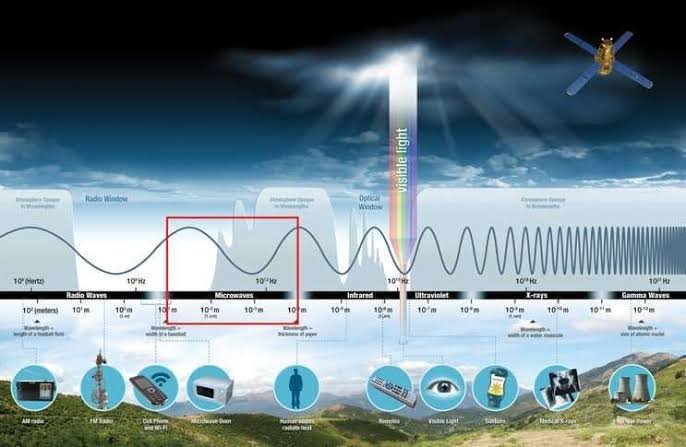
Microwave-based glucose sensing takes a different approach.
Instead of relying primarily on optical properties, microwave sensors examine changes in the electrical or dielectric properties of tissue. Changes associated with glucose concentration may affect the measured electromagnetic response.
Recent reviews describe microwave sensing as one of the important non-invasive glucose monitoring approaches under investigation. However, tissue variability and interference from other physiological factors remain significant challenges.
Bioimpedance and Electrical Methods
Electrical approaches attempt to measure changes in the body’s electrical properties.
Glucose concentration may influence electrical characteristics indirectly, but the signal can be affected by hydration, temperature, skin properties, circulation, and other biological variables.
For this reason, electrical sensing requires sophisticated calibration and signal processing to distinguish glucose-related changes from unrelated physiological variation.
Non-Invasive vs. Minimally Invasive Glucose Monitoring
These terms are often confused, but they describe different technologies.
A truly non-invasive glucose monitor does not penetrate the skin to obtain its glucose measurement.
A minimally invasive continuous glucose monitor, by contrast, uses a small sensor placed beneath the skin to measure glucose in interstitial fluid.
Modern CGM systems can provide frequent glucose readings and are widely used in diabetes management. However, they should not be described as completely non-invasive simply because the sensor is small or painless for many users.
This distinction matters when comparing glucose monitoring devices. A product advertised as “needle-free” may use a technology that differs substantially from a clinically validated non-invasive glucose measurement system.
Potential Benefits of Non-Invasive Glucose Monitoring
If reliable non-invasive glucose monitors become widely available, they could offer several potential advantages.
No Finger Pricks
One of the biggest potential benefits is eliminating routine finger-prick blood sampling.
For people who need frequent glucose checks, reducing repeated skin punctures could make monitoring more comfortable and convenient.
Greater Convenience
A wearable or external sensor could potentially provide glucose information without requiring test strips, lancets, or repeated sensor insertion.
This could make glucose monitoring easier during work, travel, exercise, and everyday activities.
Frequent Monitoring
A successful non-invasive continuous glucose monitor could potentially provide repeated measurements throughout the day.
Continuous information may help users understand how glucose changes in response to meals, physical activity, sleep, stress, and medications.
Improved User Acceptance
Comfort is an important factor in long-term monitoring.
If a technology can provide dependable glucose information without needles or skin penetration, it may encourage some people to monitor their glucose more consistently.
Potential for Wearable Integration
Non-invasive sensors could potentially be incorporated into watches, rings, patches, or other wearable devices.
However, the ability of a wearable to measure heart rate, oxygen saturation, temperature, or other health parameters does not automatically mean that it can accurately measure glucose. Consumers should carefully examine the clinical evidence and regulatory status of any product claiming glucose monitoring capabilities.
Major Challenges of Non-Invasive Glucose Monitoring
Despite significant research, developing a reliable non-invasive glucose monitor remains difficult.
Accuracy
Accuracy is arguably the biggest challenge.
Blood glucose levels can change quickly, and glucose concentrations are relatively low compared with many other substances in the body. A sensor must distinguish glucose-related signals from numerous sources of biological variation.
Even small measurement errors can matter when glucose information is used for medical decisions.
Tissue Variability
Human tissue is not uniform.
Skin thickness, pigmentation, hydration, temperature, blood circulation, and other characteristics can vary between people and even within the same person over time.
These factors can interfere with optical, electrical, and electromagnetic measurements.
Motion Artifacts
A wearable device needs to work while the user moves.
Exercise, hand movement, changes in skin contact, and sensor displacement can introduce noise into measurements. A system that performs well in a controlled laboratory environment may therefore face additional difficulties during normal daily activities.
Temperature and Hydration
Temperature and hydration can affect physiological signals and sensor performance.
A practical device needs to distinguish changes caused by glucose from changes caused by environmental or physiological conditions.
Calibration
Some glucose sensing technologies require calibration against a reference measurement.
The more complicated the calibration process, the less convenient the device becomes. Researchers are therefore working toward systems that can maintain accuracy with minimal or no user calibration.
Cost and Size
A non-invasive glucose monitor must also be practical.
Advanced optical components, detectors, processors, and sensors can increase device size and cost. Miniaturizing these technologies while maintaining sufficient accuracy is an important engineering challenge.
Are Non-Invasive Glucose Monitoring Watches Available?
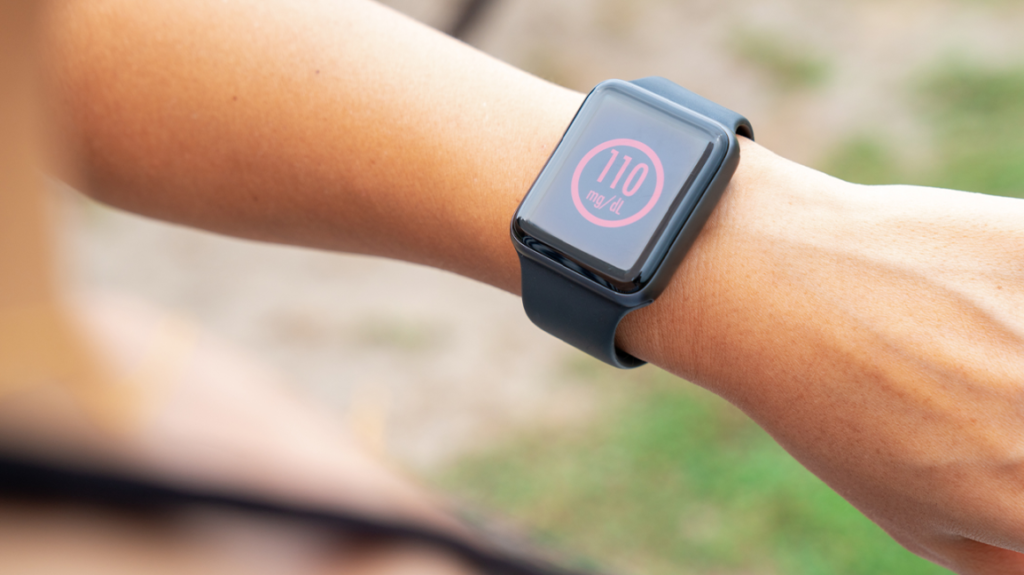
Smartwatches are frequently discussed in connection with non-invasive glucose monitoring.
The concept is appealing because watches are already capable of collecting several physiological measurements. However, consumers should be cautious about claims that a smartwatch can measure blood glucose accurately without an appropriate glucose sensor and clinical validation.
A watch that estimates glucose using unrelated measurements should not automatically be treated as a medical glucose meter.
The U.S. FDA maintains information about authorized sensor-based digital health technologies, including wearable medical devices. Consumers can use regulatory information as one way to distinguish authorized medical devices from unvalidated consumer products.
What About Continuous Glucose Monitors?
Continuous glucose monitors are already an important part of modern diabetes technology, but most conventional CGMs are minimally invasive rather than truly non-invasive.
A CGM typically uses a small sensor positioned under the skin to measure glucose in interstitial fluid. The sensor then sends information to a receiver, smartphone, or other compatible device.
This approach provides substantial advantages over occasional finger-prick testing because it can show glucose trends and changes over time.
For example, an individual may be able to see whether glucose is rising, falling, or remaining relatively stable.
However, CGMs still involve sensor placement and replacement. This is one reason why researchers continue to investigate completely non-invasive alternatives.
How Machine Learning Supports Glucose Monitoring
Artificial intelligence and machine learning are increasingly important in glucose sensing research.
The raw signal collected by an optical, electrical, or microwave sensor can contain information from many physiological sources. Machine learning algorithms can analyze large datasets to identify patterns associated with glucose concentration.
For example, a system might combine optical signals with information about temperature, movement, pulse characteristics, and other variables.
The goal is to improve glucose estimation by separating glucose-related information from background noise.
However, machine learning does not automatically solve the underlying measurement problem. Algorithms need high-quality data, appropriate validation, and testing across diverse populations. A model that performs well in a small research group may not necessarily perform equally well in the general population.
Non-Invasive Glucose Monitoring and Diabetes Management
Reliable glucose monitoring plays an important role in diabetes management.
Glucose information can help healthcare professionals and patients understand patterns associated with meals, physical activity, medications, and other factors.
A dependable non-invasive system could make this process easier by reducing some of the discomfort associated with existing monitoring approaches.
However, people with diabetes should not change medication, insulin doses, or other treatment decisions based solely on an unvalidated glucose monitoring device.
When a device has questionable accuracy, its readings could potentially create false reassurance or unnecessary concern.
What Should You Look for in a Glucose Monitoring Device?
Before purchasing or relying on any glucose monitoring product, consider several factors.
Regulatory Authorization
Check whether the device is authorized or cleared for its claimed medical purpose by the appropriate regulatory authority in your country.
For example, the FDA publishes information about authorized medical devices and their regulatory decisions.
Clinical Evidence
Look for peer-reviewed clinical studies rather than relying exclusively on advertisements or testimonials.
Research should ideally involve real-world participants and compare the device’s readings with an accepted reference method.
Accuracy Data
Look for transparent information about measurement accuracy.
A manufacturer should provide meaningful performance information rather than simply stating that a device is “highly accurate.”
Intended Use
Check exactly what the device is designed to do.
Some products may be intended for wellness or research purposes rather than medical diagnosis or treatment decisions.
Sensor Type
Determine whether the device is truly non-invasive, minimally invasive, or simply using indirect physiological measurements.
Understanding the sensor technology can prevent confusion when comparing products.
The Future of Non-Invasive Glucose Monitoring
The future of non-invasive glucose monitoring is promising, but researchers still need to overcome substantial technical challenges.
Optical technologies, Raman spectroscopy, near-infrared sensing, microwave systems, electrical sensing, and hybrid approaches continue to receive research attention. Recent scientific reviews emphasize both the potential of these approaches and the difficulties caused by tissue variability, interference, weak signals, and measurement reliability.
Miniaturization could also become increasingly important.
If sophisticated sensing systems can be made smaller, cheaper, and more energy efficient, they may eventually become practical for wearable devices.
Another important development is the combination of multiple sensors. Instead of relying on one measurement, future systems may combine optical, electrical, temperature, movement, and other physiological signals.
Machine learning could then analyze these signals to produce a more robust glucose estimate.
Nevertheless, technological progress should be measured by clinical performance rather than marketing claims. A truly useful non-invasive glucose monitor needs to be accurate, repeatable, safe, affordable, comfortable, and reliable across different users and everyday conditions.
Must Read:
- What is the 15 Minute Rule For Diabetes?
- What Is an Average Healthy Blood Sugar Level?
- What is the 2 Hour Diabetes Test?
FAQs:
Are non-invasive glucose monitors available now?
Non-invasive glucose monitoring is an active area of research, but consumers should not assume that every needle-free or wearable product can accurately measure glucose. Many technologies remain under development or require further clinical validation.
Can a smartwatch measure blood glucose without a sensor?
Consumers should be cautious about this claim. A smartwatch that measures heart rate or other physiological parameters is not automatically capable of directly measuring blood glucose. Always check the device’s regulatory status and clinical evidence.
Are CGMs non-invasive?
Most conventional CGMs are minimally invasive because their sensors are placed beneath the skin to measure interstitial glucose. They are different from completely non-invasive glucose monitoring technologies.
What is the most promising non-invasive glucose technology?
There is no universally established winner. Optical approaches such as Raman and near-infrared spectroscopy, along with microwave and other sensing technologies, are being studied. Each approach has advantages and technical limitations.
Can non-invasive glucose monitors replace blood glucose meters?
A device should only be used as a replacement when it has been appropriately validated and authorized for that purpose. Research-stage or wellness-oriented products should not automatically replace clinically validated glucose testing.
Final Thoughts:
Non-invasive glucose monitoring devices represent an important goal in diabetes technology. The ability to measure glucose without finger pricks or sensors inserted under the skin could make monitoring more comfortable and convenient for many people.
Researchers are exploring optical spectroscopy, Raman spectroscopy, near-infrared sensing, microwave technology, electrical methods, machine learning, and combinations of these approaches. The scientific literature shows meaningful progress, but accuracy and reliability remain major challenges.
For consumers, the most important point is to separate genuine medical technology from unverified marketing claims. A device may look like a sophisticated smartwatch or wearable but still lack the clinical evidence needed to support glucose-related medical decisions.
As sensor technology, miniaturized electronics, artificial intelligence, and clinical research continue to improve, non-invasive glucose monitoring may become more practical. Until then, consumers should prioritize regulatory authorization, peer-reviewed evidence, accuracy data, and professional medical guidance when choosing a glucose monitoring system.