Managing diabetes requires daily attention to food, medication, exercise, and blood sugar levels. One of the most important emergency strategies every person with diabetes should know is the 15 minute rule for diabetes. This simple method helps treat low blood sugar (hypoglycemia) quickly and safely.
Low blood sugar can happen suddenly. It may cause shakiness, sweating, dizziness, confusion, weakness, or even unconsciousness if not treated in time. The 15 minute rule gives a clear step-by-step process to raise blood sugar back to a safe level.
If you or someone you love lives with diabetes, understanding this rule can make a major difference. In this detailed guide, you will learn what the 15 minute rule means, when to use it, how to follow it properly, mistakes to avoid, and ways to prevent low blood sugar episodes in the future.
What Is the 15 Minute Rule for Diabetes?
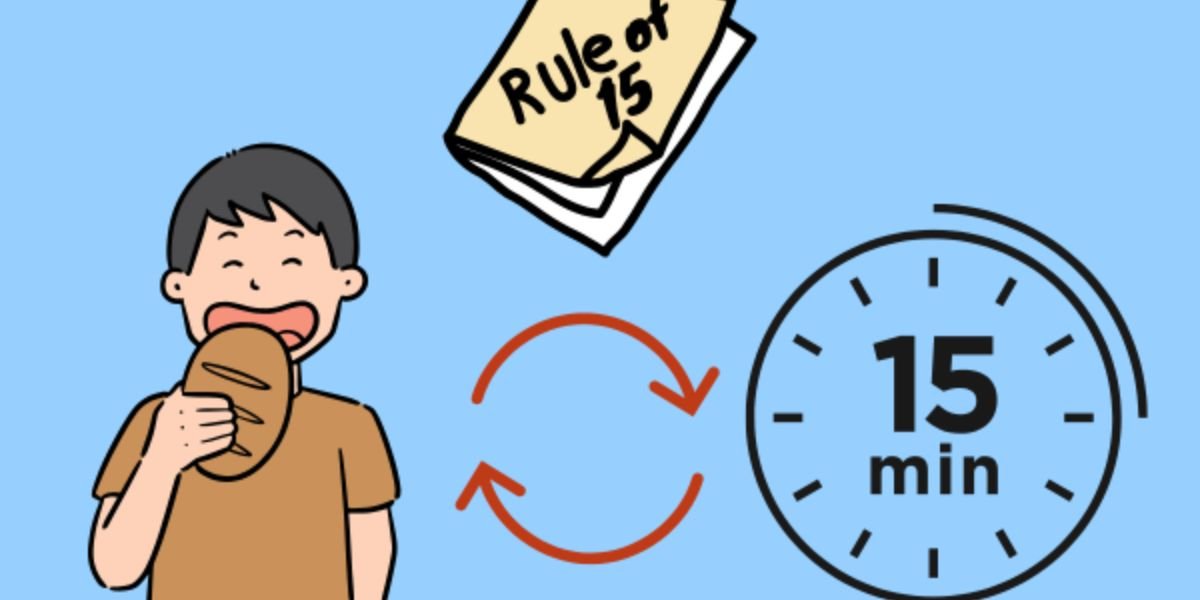
The 15 minute rule for diabetes is a common guideline used to treat mild to moderate low blood sugar.
It means:
- Eat or drink 15 grams of fast-acting carbohydrates
- Wait 15 minutes
- Recheck blood sugar levels
- If blood sugar is still low, repeat the process
This method is widely recommended because it helps increase blood glucose gradually without causing a sharp spike.
The rule is mainly used when blood sugar falls below 70 mg/dL (3.9 mmol/L) or when symptoms of hypoglycemia appear.
Why the 15 Minute Rule Is Important
Low blood sugar can become dangerous if ignored. The brain depends on glucose for energy. When glucose drops too low, the body cannot function properly.
Benefits of using the 15 minute rule include:
- Fast response during hypoglycemia
- Easy to remember steps
- Prevents overeating during treatment
- Reduces risk of severe low blood sugar
- Helps restore safe glucose levels
- Useful for home, school, travel, or work
This method is especially valuable for people taking insulin or certain diabetes medications.
What Is Low Blood Sugar in Diabetes?
Low blood sugar, also called hypoglycemia, happens when glucose levels drop below normal.
For many adults with diabetes, hypoglycemia is considered:
- Below 70 mg/dL
Severe hypoglycemia can occur when levels drop much lower and the person cannot treat themselves.
Common Symptoms of Low Blood Sugar
Recognizing symptoms early is critical.
Signs may include:
- Shaking
- Sweating
- Hunger
- Fast heartbeat
- Anxiety
- Weakness
- Headache
- Blurred vision
- Irritability
- Dizziness
- Confusion
- Trouble speaking
- Sleepiness
Severe symptoms may include:
- Seizures
- Loss of consciousness
- Inability to swallow
If severe symptoms occur, emergency medical help is needed.
Who Should Know the 15 Minute Rule?
The 15 minute rule is useful for:
- People with Type 1 diabetes
- People with Type 2 diabetes using insulin
- People taking sulfonylurea medications
- Caregivers of diabetic patients
- Parents of children with diabetes
- Teachers and school staff
- Fitness trainers
- Family members
Anyone involved in diabetes care should understand this simple emergency strategy.
Step-by-Step Guide to the 15 Minute Rule for Diabetes
Step 1: Check Blood Sugar
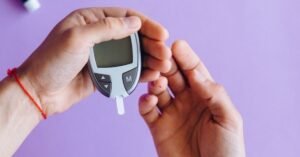
Use a glucose meter or continuous glucose monitor if available.
If blood sugar is below 70 mg/dL, begin treatment.
Even if testing is not immediately available, treat symptoms if hypoglycemia is strongly suspected.
Step 2: Consume 15 Grams of Fast-Acting Carbohydrates
Choose carbohydrates that absorb quickly.
Good options include:
- 4 glucose tablets
- Glucose gel (follow label)
- 4 ounces fruit juice
- 4 ounces regular soda
- 1 tablespoon sugar dissolved in water
- 1 tablespoon honey
- Hard candy (check label for 15 grams carbs)
Avoid foods high in fat because they slow absorption.
Examples:
- Chocolate bars
- Ice cream
- Cookies with cream filling
These are not the best first treatment choices.
Step 3: Wait 15 Minutes
After taking carbs, wait 15 minutes.
Do not keep eating repeatedly during this time unless instructed by a healthcare provider.
The body needs time to absorb glucose and raise blood sugar levels.
Step 4: Recheck Blood Sugar
After 15 minutes, test again.
If blood sugar is still below 70 mg/dL:
- Take another 15 grams of fast carbs
- Wait another 15 minutes
- Recheck again
Repeat until blood sugar reaches a safe level.
Step 5: Eat a Follow-Up Snack if Needed
If your next meal is more than one hour away, eat a balanced snack after recovery.
Examples:
- Peanut butter crackers
- Half sandwich
- Yogurt
- Cheese and whole grain crackers
- Nuts and fruit
This helps prevent blood sugar from dropping again.
Why Exactly 15 Grams of Carbohydrates?
Fifteen grams is often enough to raise blood sugar safely in most adults without causing excessive highs.
Too little may not work.
Too much may cause:
- Rebound high blood sugar
- Extra calories
- Frustration with glucose swings
This balanced amount is why the 15 minute rule has become standard advice.
Best Fast-Acting Carbs for Hypoglycemia
When blood sugar drops too low, fast-acting carbohydrates are one of the quickest ways to raise glucose levels. These options are rapidly absorbed by the body and can help relieve symptoms such as shakiness, sweating, dizziness, or weakness. Choosing the right source of carbs is important because some foods work faster than others. Below are some of the best fast-acting carbs for treating hypoglycemia.
Glucose Tablets
Glucose tablets are often considered one of the best choices for hypoglycemia treatment. They are pre-measured, easy to carry, and specifically designed to raise blood sugar quickly. Most tablets list the exact carbohydrate amount on the package, making dosing simple and reliable. They are ideal for use at home, work, school, or while traveling.
Fruit Juice
Fruit juice is another common option that works quickly. Orange juice, apple juice, or grape juice can provide a fast source of sugar that is easy to consume. About half a cup of juice is often enough to deliver the carbohydrates needed during a low blood sugar episode. Juice is especially helpful for people who may have difficulty chewing tablets or candy.
Regular Soda
Regular non-diet soda can also be used in emergencies. Since it contains sugar, it can raise blood glucose levels fairly quickly. A small serving may help treat mild hypoglycemia. However, diet soda should not be used because it does not contain enough sugar to correct low blood sugar.
Honey or Sugar
Honey, table sugar, or sugar dissolved in water can be useful when other options are not available. These household items are easy to find and can provide a rapid source of carbohydrates. Honey can be swallowed directly or mixed into water for easier intake. This option is often convenient during unexpected low blood sugar episodes at home.
Glucose Gel
Glucose gel is another effective treatment choice. It is designed for quick absorption and is easy to carry in a bag, purse, or pocket. Many people like glucose gel because it is convenient during travel, exercise, or outdoor activities. It can also be easier to use than tablets for some individuals.
Foods to Avoid During Low Blood Sugar Treatment
Not all sweet foods work quickly.
Avoid using:
- Chocolate candy
- Doughnuts
- Cake
- Ice cream
- High-fat desserts
- Peanut butter cups
Fat delays sugar absorption, making treatment slower.
Causes of Low Blood Sugar in Diabetes
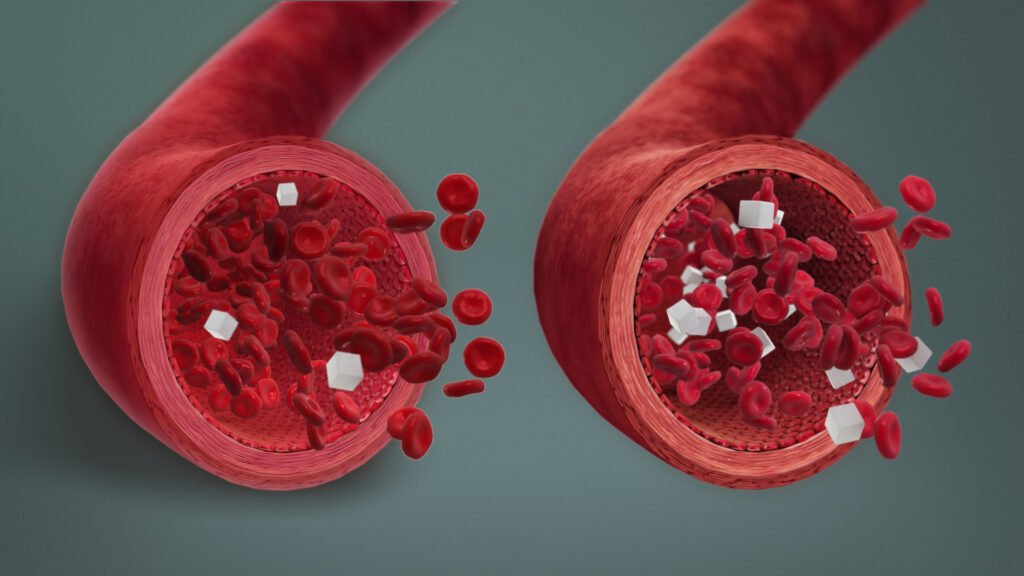
Low blood sugar, also known as hypoglycemia, can happen when glucose levels fall below a healthy range. For people living with diabetes, understanding the common causes is important for prevention and better blood sugar control. Many episodes of low blood sugar are linked to medication, meals, activity, or lifestyle factors. Recognizing these triggers can help reduce the risk of sudden glucose drops and support safer diabetes management.
Too Much Insulin
Taking more insulin than the body needs is one of the most common reasons for low blood sugar. This may happen if the dose is miscalculated, taken twice by mistake, or not adjusted for food intake or exercise. Since insulin lowers glucose levels, too much insulin can quickly lead to hypoglycemia.
Skipping Meals
Missing meals after taking insulin or diabetes medication can cause blood sugar to fall. Medications may continue working even when no food is eaten, leading to a drop in glucose levels. This is why regular meals are important for people using insulin or certain diabetes drugs.
Delayed Eating
Waiting too long between meals can also trigger low blood sugar. Long gaps without eating may reduce the body’s available glucose supply, especially when medication is active. Planning meals and snacks on time can help maintain stable blood sugar levels throughout the day.
Increased Exercise
Physical activity uses glucose for energy. Exercise can lower blood sugar during the activity or even several hours afterward. If food intake or medication is not adjusted, a workout session may increase the risk of hypoglycemia. Monitoring glucose before and after exercise is often recommended.
Alcohol Use
Alcohol can interfere with the liver’s ability to release stored glucose into the bloodstream. This effect may increase the risk of low blood sugar, especially when alcohol is consumed without food. Hypoglycemia from alcohol can also happen several hours later, making it important to be cautious.
Medication Errors
Taking the wrong dose, using medication at the wrong time, or mixing up prescriptions can cause blood sugar to drop too low. Errors may happen with insulin injections, pills, or timing mistakes. Using reminders and double-checking doses can help prevent these problems.
Illness
Being sick can affect blood sugar in different ways. Vomiting, diarrhea, poor appetite, or not eating enough during illness may reduce glucose intake and increase the chance of hypoglycemia. Even when sick, blood sugar should be monitored regularly and treatment plans adjusted if needed.
15 Minute Rule for Type 1 Diabetes
People with Type 1 diabetes often depend on insulin daily. This raises hypoglycemia risk.
The 15 minute rule is especially important because lows can happen from:
- Miscalculated insulin doses
- Exercise
- Delayed meals
- Nighttime glucose drops
Many people with Type 1 diabetes keep glucose tablets nearby at all times.
15 Minute Rule for Type 2 Diabetes
Not every person with Type 2 diabetes gets low blood sugar. Risk is higher if using:
- Insulin
- Sulfonylureas
- Combination medications
People controlled only with diet or some non-insulin medications may have lower risk, but lows can still happen.
15 Minute Rule for Children with Diabetes
Children may not always recognize symptoms.
Parents, teachers, and caregivers should know signs like:
- Sudden mood change
- Irritability
- Sweating
- Sleepiness
- Pale skin
- Poor concentration
Use age-appropriate fast carbs such as juice boxes or glucose tabs.
Always discuss school care plans with healthcare providers.
15 Minute Rule During Exercise
Exercise can lower blood sugar during or after activity.
Before workouts:
- Check blood sugar
- Carry quick carbs
- Adjust insulin if advised
If symptoms occur during exercise:
- Stop activity
- Use 15 minute rule
- Resume only when safe
Nighttime Low Blood Sugar and the 15 Minute Rule
Some people experience lows while sleeping.
Signs include:
- Sweating in bed
- Nightmares
- Restlessness
- Morning headache
- Waking shaky
If awake and able to swallow, use the 15 minute rule.
Discuss frequent nighttime lows with your doctor.
What If Blood Sugar Does Not Rise?
If repeated treatment does not improve glucose:
- Check meter accuracy
- Confirm carb amount taken
- Seek medical advice
- Use emergency care if symptoms worsen
Persistent lows may require medication changes.
When Not to Use the 15 Minute Rule
The 15 minute rule is for mild to moderate hypoglycemia when the person is awake and able to swallow.
Do not use it if the person is:
- Unconscious
- Having seizures
- Unable to swallow safely
- Severely confused
In these cases:
- Use glucagon if prescribed
- Call emergency services immediately
What Is Glucagon?
Glucagon is an emergency medication that raises blood sugar rapidly.
It may come as:
- Injection
- Nasal powder
Family members should know how to use it.
Glucagon is often recommended for people at risk of severe lows.
Common Mistakes With the 15 Minute Rule
The 15 minute rule is a simple and effective method for treating low blood sugar, but mistakes can reduce its effectiveness or create new blood sugar problems. Understanding these common errors can help people manage hypoglycemia more safely and confidently.
Eating Too Much Sugar
One of the most common mistakes is overeating during a low blood sugar episode. Many people panic and consume large amounts of sweets, juice, or snacks all at once. This may quickly push blood sugar too high and lead to unwanted glucose spikes later. Sticking to the recommended amount of fast-acting carbohydrates is usually the best approach.
Using Chocolate First
Chocolate may seem like a quick fix, but it is not the best first choice for treating hypoglycemia. Because chocolate contains fat, digestion and sugar absorption happen more slowly. This can delay recovery when blood sugar needs to rise quickly. Fast-acting options such as glucose tablets or juice are better choices.
Not Rechecking Levels
Some people feel better after treatment and assume blood sugar is back to normal. However, symptoms alone may not always tell the full story. Rechecking blood sugar after 15 minutes helps confirm that glucose levels have improved and guides whether more treatment is needed.
Ignoring Symptoms
Waiting too long to treat low blood sugar can make symptoms worse and increase risk. Early signs such as shakiness, sweating, hunger, or dizziness should be taken seriously. Prompt treatment often prevents more severe hypoglycemia.
Driving Immediately
Driving too soon after a low blood sugar episode can be dangerous. Even if symptoms begin to improve, concentration and reaction time may still be affected. It is safest to wait until blood sugar is in a normal range and symptoms have completely resolved before driving.
How to Prevent Low Blood Sugar
Preventing hypoglycemia is just as important as knowing how to treat it. Good daily habits can lower the chance of sudden glucose drops and improve diabetes control.
Monitor Regularly
Checking blood sugar as advised by your healthcare provider helps identify patterns and catch lows early. Frequent monitoring is especially important when adjusting medication, exercising more, or during illness.
Eat on Schedule
Skipping meals or delaying food can increase the risk of low blood sugar, especially when using insulin or diabetes medications. Eating meals and snacks on time supports more stable glucose levels.
Carry Fast Carbs
Always keep a quick source of sugar nearby. Glucose tablets, juice boxes, hard candy, or glucose gel can be useful in a bag, car, office, or bedside drawer. Being prepared allows faster treatment when needed.
Review Medications
Understanding insulin doses, medication timing, and how medicines affect blood sugar is essential. Taking the wrong dose or timing medications incorrectly may cause hypoglycemia. Review your treatment plan regularly with your doctor.
Plan for Exercise
Physical activity can lower blood sugar during or after workouts. Before exercise, check glucose levels if recommended and plan snacks or medication adjustments when needed. Carry fast carbs during workouts for extra safety.
Limit Alcohol Risk
Alcohol can increase the risk of low blood sugar, especially when consumed without food. Avoid heavy drinking on an empty stomach and monitor glucose carefully if drinking alcohol.
Use CGM Alerts
Continuous glucose monitors can provide alerts when blood sugar is dropping. These early warnings allow faster treatment and may help prevent severe hypoglycemia, especially overnight or during busy days.
Best Items to Keep in a Hypoglycemia Kit
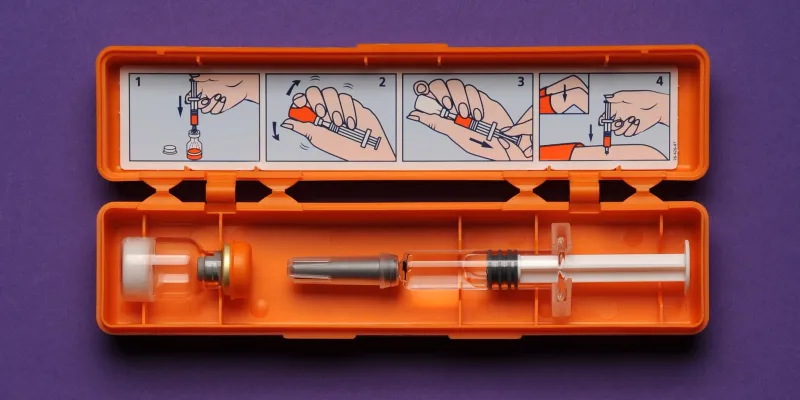
Prepare a diabetes low sugar emergency kit with:
- Glucose tablets
- Juice box
- Meter strips
- Backup batteries
- Snack
- Medical ID
- Emergency contact list
- Glucagon kit if prescribed
Keep one at home, work, school, and while traveling.
Can Non-Diabetics Use the 15 Minute Rule?
Sometimes people without diabetes can experience low blood sugar symptoms, but repeated episodes need medical evaluation.
The 15 minute rule may temporarily help if true low glucose occurs, but diagnosis is important.
How Caregivers Can Help
If someone has diabetes and becomes shaky or confused:
- Stay calm
- Help check blood sugar
- Give 15 grams fast carbs if safe to swallow
- Wait 15 minutes
- Recheck
- Stay with them
If unconscious, call emergency help.
Travel Tips for Diabetes Low Blood Sugar
When traveling:
- Carry snacks in hand luggage
- Keep glucose tablets accessible
- Carry prescriptions
- Wear medical ID
- Check time zone medication changes
- Monitor more often
The 15 minute rule is especially helpful during long journeys.
Is the 15 Minute Rule Always Exact?
Healthcare needs vary.
Some people may need:
- More than 15 grams if larger body size
- Less if small child
- Different targets during pregnancy
- Individual plans from doctor
Still, the rule remains a common starting standard.
What Doctors Recommend After Frequent Lows
If low blood sugar happens often, speak with your provider. They may review:
- Insulin doses
- Meal timing
- Exercise patterns
- Kidney function
- CGM use
- Medication changes
- A1C goals
Frequent lows should never be ignored.
Emotional Side of Hypoglycemia
Repeated low blood sugar can create fear and anxiety.
Some people overeat or keep glucose high to avoid lows.
Support strategies:
- Education
- Better monitoring tools
- Medication adjustment
- Counseling if needed
- Family awareness
Confidence grows when you know how to treat lows quickly.
FAQs:
How long does the 15 minute rule take?
Usually 15 to 30 minutes depending on severity and response.
Can I use candy?
Yes, if it provides measured fast sugar and low fat.
What if I feel better before 15 minutes?
Still recheck when possible.
Can I sleep after treating a low?
Make sure glucose is stable first, especially at night.
Is juice better than soda?
Either can work if it contains sugar. Juice is often preferred.
Quick Example of the 15 Minute Rule
- Rahul checks sugar and sees 62 mg/dL.
- He drinks half a cup of orange juice containing about 15 grams carbs.
- He waits 15 minutes.
- Rechecks sugar: 78 mg/dL
- Since dinner is in 90 minutes, he eats crackers with peanut butter.
- This is a proper use of the 15 minute rule.
Key Takeaways
- The 15 minute rule treats low blood sugar safely.
- Take 15 grams of fast carbs.
- Wait 15 minutes.
- Recheck glucose.
- Repeat if still low.
- Follow with snack if meal is far away.
- Severe symptoms need emergency help.
Must Read:
- What Is an Average Healthy Blood Sugar Level?
- What is the 2 Hour Diabetes Test?
- What Causes Low Blood Sugar Without Diabetes?
Final Thoughts:
The 15 minute rule for diabetes is one of the simplest and most valuable tools for blood sugar safety. Whether you have Type 1 diabetes, Type 2 diabetes, or care for someone who does, knowing this rule can prevent dangerous complications.
Low blood sugar can happen quickly, but it can also be managed quickly when you are prepared. Keep fast-acting carbs nearby, know your symptoms, and respond without delay.
Most importantly, if low blood sugar happens often, work with your healthcare provider to adjust your diabetes plan. Prevention and preparation together create safer daily diabetes management.