Many people believe diabetes comes in only two forms, but healthcare today recognises a much broader range. Understanding the 7 Types of Diabetes gives people a clearer picture of how this condition develops, why it affects individuals so differently and what early steps can prevent long-term harm. With diabetes increasing across all age groups, knowing more about these variations helps people notice symptoms early and seek suitable care without delay.
Diabetes is a condition in which the body struggles to manage blood sugar levels. This usually happens when insulin, the hormone responsible for regulating glucose, becomes insufficient or ineffective. While the basic idea sounds straightforward, the biology behind it varies from one type to another. That is why the 7 Types of Diabetes are important to explore individually. Each one comes with its own causes, symptoms, risks and treatment paths.
People often discover diabetes only after it has progressed. This delay happens because early signs are subtle or mistaken for everyday tiredness, stress or weight fluctuations. By learning about the 7 Types of Diabetes, families and individuals can watch for early clues and respond quickly. Early discovery makes treatment simpler, reduces complication risks and helps people maintain healthier lives.
What Causes Diabetes?
Diabetes develops when the body cannot use insulin properly or does not produce enough of it. Although the 7 Types of Diabetes share this basic issue, the reasons behind it vary. Genetics is one major factor, especially in types that appear early in life. Some types are autoimmune, meaning the body mistakenly attacks its own cells. Others result from lifestyle patterns, hormonal changes or damage to the pancreas caused by illness, injury or surgery.
Insulin resistance is another factor behind diabetes. This happens when the body produces insulin, but cells do not respond to it. Over time, the pancreas can no longer keep up, leading to increased blood sugar levels. Some of the 7 Types of Diabetes are closely linked to this process, especially in adults with a sedentary lifestyle or excess weight. Environmental triggers, stress, infections and diet choices can also influence the risk of developing diabetes.
Hormonal changes contribute to diabetes as well. Pregnancy, for example, brings significant hormonal shifts, which can reduce insulin efficiency. This leads to one form of diabetes that affects many pregnant women worldwide. Pancreatic disorders, including inflammation or tumours, can also interfere with insulin production, giving rise to another type within the 7 Types of Diabetes classification.
Overview of the 7 Types of Diabetes
Healthcare professionals classify the 7 Types of Diabetes to make diagnosis and treatment more accurate. These types include:
- Type 1 diabetes
- Type 2 diabetes
- Gestational diabetes
- Type 3c (pancreatogenic diabetes)
- LADA (Latent Autoimmune Diabetes in Adults)
- MODY (Maturity-Onset Diabetes of the Young)
- Neonatal diabetes
Each type has its own cause and behaviour. Some are lifelong and require regular insulin, while others improve with lifestyle changes or medication. A few are rare and linked to gene mutations, while others occur due to hormonal changes or pancreatic issues. Understanding these differences helps people identify what type they or their loved ones may have.
1. Type 1 Diabetes
Type 1 diabetes is an autoimmune condition. The body’s immune system mistakenly destroys the insulin-producing cells in the pancreas. This leads to a complete lack of insulin, which is why people with this condition rely on insulin injections or pumps throughout life.
1. Causes and Risk Factors
Type 1 diabetes does not occur because of diet or lifestyle choices. Genetic predisposition plays a major role, and certain viral infections can trigger the immune response that damages the pancreas. Having a family history increases the risk, but it can also appear unexpectedly in people with no known family link.
2. Common Symptoms
- Excessive thirst
- Frequent urination
- Unexplained weight loss
- Increased hunger
- Fatigue
- Blurred vision
Symptoms often appear suddenly, especially in children and young adults.
3. Diagnosis
Doctors typically use:
- Fasting blood sugar tests
- HbA1c tests
- Antibody tests
These antibody tests help confirm whether an autoimmune process is involved.
4. Treatment
Insulin therapy is essential. People manage their blood sugar levels through:
- Multiple daily injections
- Insulin pumps
- Continuous glucose monitoring
- Balanced meals and regular physical activity
5. Complications
Without control, Type 1 diabetes can lead to nerve damage, heart disease, kidney issues and eye problems. With modern treatment, people can live healthy, full lives.
2. Type 2 Diabetes
Type 2 diabetes is the most common among the 7 Types of Diabetes. It develops when the body becomes resistant to insulin or does not produce enough of it. Unlike Type 1, this type usually develops slowly and is influenced by lifestyle factors, although genetics also plays a strong role.
1. Causes
- Excess weight
- Lack of physical activity
- Sedentary lifestyle
- Family history
- Ageing
- Poor diet
- Stress and sleep disturbances
2. Symptoms
Many people do not notice symptoms until the condition becomes advanced. Common signs include:
- Tiredness
- Frequent urination
- Increased thirst
- Slow wound healing
- Tingling sensations in hands or feet
- Recurrent infections
3. Diagnosis
Type 2 diabetes is diagnosed using:
- Fasting sugar tests
- HbA1c tests
- Oral glucose tolerance tests
Early diagnosis helps prevent long-term complications.
4. Treatment
Management usually includes lifestyle adjustments:
- Weight control
- Nutritious diet
- Regular exercise
- Oral medication
- Sometimes insulin or injectables
5. Complications
If untreated, it may lead to heart disease, kidney failure, nerve damage, vision loss and foot problems. Early action is crucial.
3. Gestational Diabetes
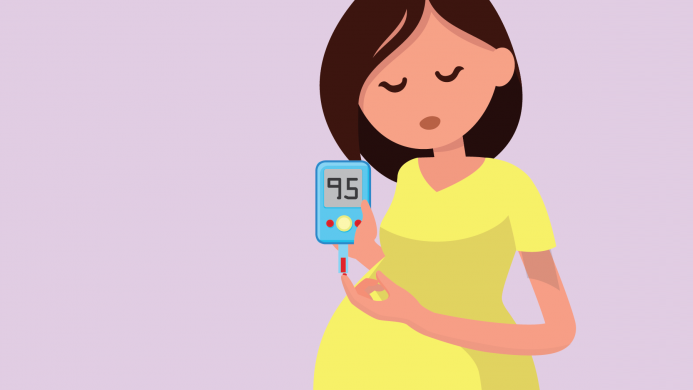
Gestational diabetes appears during pregnancy due to hormonal changes that affect insulin efficiency. It is a temporary form but requires careful attention because it affects the health of both mother and baby.
1. Causes
Hormonal shifts in pregnancy increase insulin resistance. If the pancreas cannot respond to this increased demand, blood sugar levels rise. Women with a family history, excess weight or a previous diagnosis of gestational diabetes are at higher risk.
2. Symptoms
Most women experience no noticeable symptoms. It is usually detected during routine prenatal glucose testing.
3. Diagnosis
Pregnant women undergo a glucose challenge test or a glucose tolerance test during the second trimester.
4. Treatment
- A balanced diet
- Regular activity
- Blood sugar monitoring
- Medication if necessary
5. Risks for Mother and Baby
Untreated gestational diabetes increases the risk of large birth weight, delivery complications, premature birth and future development of Type 2 diabetes for both mother and child.
Type 3c Diabetes (Pancreatogenic Diabetes)
Type 3c develops due to damage to the pancreas. This type is less commonly known but is part of the 7 Types of Diabetes. It occurs when the pancreas loses its ability to produce insulin due to inflammation, surgery or illness.
1. Causes
- Chronic pancreatitis
- Pancreatic tumours
- Pancreatic surgery
- Severe trauma
- Cystic fibrosis
2. Symptoms
Symptoms often include:
- Blood sugar fluctuations
- Digestive problems
- Weight loss
- Pain after meals
3. Diagnosis
Doctors may use:
- Blood tests
- Imaging scans
- Enzyme tests
These help identify pancreatic damage.
4. Treatment
Treatment focuses on:
- Enzyme replacement therapy
- Insulin or medication
- Diet adjustments
- Avoiding alcohol
4. LADA (Latent Autoimmune Diabetes in Adults)
LADA is a slow-developing autoimmune form of diabetes. It shares traits with Type 1 and Type 2, which is why it is often misdiagnosed. Many adults discover they have LADA only after medication for Type 2 diabetes stops working.
1. Causes
Autoimmunity is the main cause. The immune system gradually destroys insulin-producing cells over time.
2. Symptoms
- Mild early symptoms
- Gradual need for insulin
- Fluctuating blood sugar levels
3. Diagnosis
LADA requires:
- Antibody tests
- C-peptide tests
- Blood sugar tests
4. Treatment
Treatment involves:
- Early insulin use
- Balanced meals
- Regular activity
- Monitoring changes over time
5. MODY (Maturity-Onset Diabetes of the Young)
MODY is a rare, hereditary form of diabetes. It is caused by a single gene mutation that affects insulin production. It often appears in teenagers or young adults and can be mistaken for Type 1 or Type 2.
1. Causes
A gene mutation passed from parents to children is the main cause.
2. Symptoms
Symptoms vary based on the mutation:
- Mild hyperglycaemia
- Slight fatigue
- Increased thirst
- Often no major symptoms
3. Diagnosis
Genetic testing is essential for accurate diagnosis.
4. Treatment
Some people manage MODY with lifestyle changes, while others require medication or insulin. Treatment depends on the specific gene involved.
6. Neonatal Diabetes

Neonatal diabetes appears in newborns under six months of age. It is extremely rare and part of the 7 Types of Diabetes because it develops through gene mutations that affect insulin production.
1. Causes
Mutations in certain genes that regulate insulin production lead to this condition.
2. Types
- Permanent neonatal diabetes (PNDM)
- Transient neonatal diabetes (TNDM)
3. Symptoms
- Poor weight gain
- Excess urination
- Dehydration
- Vomiting
4. Diagnosis
Genetic testing confirms this condition.
5. Treatment
Depending on the gene mutation:
- Insulin therapy
- Certain oral medications
Early diagnosis improves outcomes.
How to Identify Your Type of Diabetes
Knowing which of the 7 Types of Diabetes you may have requires proper testing. Symptoms alone are not enough because different types overlap. Doctors use a combination of blood sugar tests, antibody tests, C-peptide tests, genetic tests and imaging scans. Endocrinologists also consider age, medical history, weight patterns, family history and pancreatic health.
Early Signs That Should Not Be Ignored
Many of the 7 Types of Diabetes begin with similar early signs:
- Excess thirst
- Frequent urination
- Sudden weight changes
- Fatigue
- Blurred vision
- Slow healing
- Increased hunger
Noticing these signs early makes a big difference. Simple blood tests can detect diabetes long before serious complications arise.
Common Complications Across All Types
All forms of diabetes share long-term risks:
- Nerve damage
- Heart disease
- Kidney disease
- Eye complications
- Poor wound healing
- Skin infections
- Dental issues
Proper management and monitoring can prevent or delay these complications.
How Lifestyle Affects All Types of Diabetes
Although some conditions within the 7 Types of Diabetes are genetic or autoimmune, lifestyle still plays a major role in managing symptoms. Balanced eating, regular movement, moderate weight control, reducing stress and getting enough sleep all help stabilise blood sugar levels. Even those with hereditary or autoimmune types benefit from healthy habits.
Latest Research and Advances
Research into the 7 Types of Diabetes is moving fast. Scientists are studying:
- Artificial pancreas systems
- Gene therapy
- New insulin formulations
- Better glucose monitoring devices
- Medication that targets insulin resistance
- Prevention strategies for high-risk individuals
These advances offer hope for safer, easier and more personalised diabetes care.
Diet Tips for Better Blood Sugar Control
People with any of the 7 Types of Diabetes can benefit from:
- Whole grains
- Lean proteins
- Vegetables
- Fibre-rich foods
- Healthy fats
- Controlled portion sizes
Limiting sugary drinks, refined carbohydrates and deep-fried foods also helps.
Treatment Options Across All Types
Treatment depends on the type of diabetes. Options include:
- Insulin
- Oral medication
- Injectable medications
- Blood sugar monitoring devices
- Enzyme replacement (for pancreatic types)
- Lifestyle adjustments
Working with a doctor creates an individualised plan.
When to See a Doctor
People should seek medical advice if they:
- Show early symptoms
- Have a family history
- Experience unexplained weight loss
- Feel tired constantly
- Have vision changes
- Notice numbness in hands or feet
Routine screening is especially important for adults over 40.
Conclusion:
Understanding the 7 Types of Diabetes helps people recognise how wide-ranging this condition can be and why early detection matters so much. Each type develops for different reasons, yet they all affect how the body controls blood sugar. When people know the differences among the 7 Types of Diabetes, they can work with their doctors to find the most suitable treatment, avoid complications and make lifestyle choices that genuinely support their health. Some forms require insulin, others respond well to medication and a few improve with simple daily changes.
What matters most is recognising symptoms early and staying consistent with monitoring and care. With better awareness of the 7 Types of Diabetes, individuals and families can take steps that protect long-term well-being. The right knowledge makes this condition easier to manage and helps people live healthier, more confident lives.
FAQs:
1. Which type of diabetes is the most common?
Type 2 diabetes is the most common form and is influenced by lifestyle, genetics and ageing. It is one of the seven recognised types and affects millions worldwide.
2. Can diabetes be reversed?
Some people with Type 2 diabetes can achieve remission through weight loss, diet and exercise. Autoimmune and genetic types cannot be reversed, but they can be managed effectively.
3. Is gestational diabetes permanent?
It usually resolves after childbirth, but both mother and baby have a higher chance of developing Type 2 diabetes later, so regular check-ups are advised.
4. How is LADA different from Type 2 diabetes?
LADA starts slowly like Type 2 but is actually autoimmune, similar to Type 1. People often require insulin earlier than those with Type 2.
5. What causes neonatal diabetes?
Neonatal diabetes is caused by gene mutations that affect insulin production. Diagnosis before six months of age helps guide treatment.
6. Can children develop any of the 7 types of diabetes?
Yes. Children can develop Type 1, Type 2 (though less common), MODY, neonatal diabetes or very rarely Type 3c after pancreatic illness. Early testing is important.