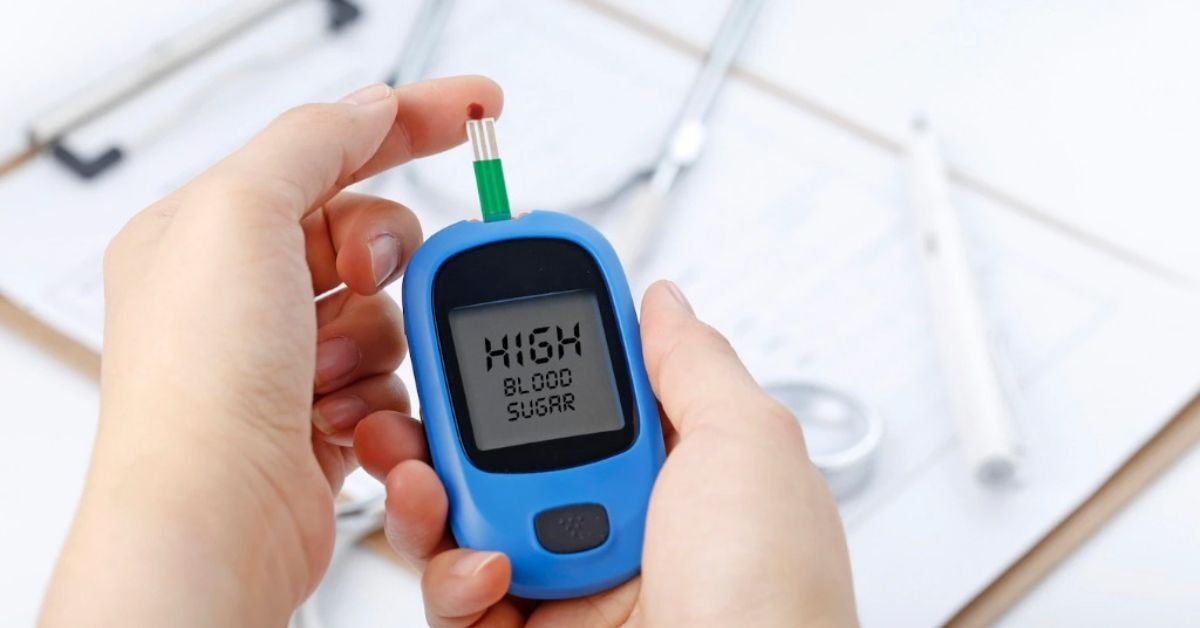
When most people hear about high blood sugar, they immediately think of diabetes. However, high blood sugar can also occur in non-diabetics, often temporarily, due to lifestyle choices, stress, certain medical conditions, or even medications. While occasional spikes are not always harmful, repeated or prolonged high blood sugar episodes can affect overall wellness and may increase the risk of future health conditions.
Recognising the symptoms of high blood sugar in non-diabetics is important because early awareness gives people the opportunity to make healthy changes. This article explores what high blood sugar looks like in non-diabetics, why it happens, common and subtle symptoms, risks, and prevention strategies. By understanding these signs, individuals can take proactive steps toward better health and avoid potential complications.
Understanding Blood Sugar
Blood sugar, or glucose, is the body’s primary source of energy. After eating, the body breaks down carbohydrates into glucose, which then enters the bloodstream. Insulin, a hormone produced by the pancreas, helps transport glucose into cells for energy or storage.
For non-diabetics, normal fasting blood sugar levels typically range between 70–99 mg/dL (3.9–5.5 mmol/L). After meals, blood sugar may rise but usually stays below 140 mg/dL (7.8 mmol/L). When levels exceed these ranges, even without diabetes, the body can begin to show symptoms.
High blood sugar in non-diabetics may be short-lived for example, after eating a high-sugar meal but if it occurs frequently, it may signal underlying issues like insulin resistance or hormonal imbalances.
Causes of High Blood Sugar in Non-Diabetics
High blood sugar without diabetes can be caused by several factors.
- Dietary habits: Eating large amounts of refined carbohydrates, sugary drinks, or processed foods can temporarily raise blood sugar.
- Stress: When stressed, the body releases cortisol, which increases glucose levels for energy.
- Sedentary lifestyle: Lack of physical activity reduces insulin sensitivity.
- Medications: Steroids, diuretics, or certain treatments may raise blood sugar.
- Illness or infection: The body releases hormones to fight illness, sometimes raising glucose.
- Hormonal changes: Conditions like PCOS, thyroid disorders, or adrenal issues can affect glucose regulation.
Even in non-diabetics, these factors may cause noticeable symptoms that should not be ignored.
Common Symptoms of High Blood Sugar
High blood sugar is often associated with diabetes, but it can also affect non-diabetics. When glucose levels rise above the body’s normal range, even temporarily, certain warning signs may appear. These symptoms occur because the body is struggling to regulate sugar levels effectively. Recognising them early allows individuals to take proactive steps through diet, lifestyle, or medical consultation. Let’s take a closer look at the most common symptoms of high blood sugar.
1. Excessive Thirst (Polydipsia)
One of the earliest and most noticeable symptoms is constant thirst. When blood sugar rises, the body attempts to dilute it by pulling water from tissues and signalling the need to drink more. This leads to frequent water intake, often beyond normal levels. People may notice they are carrying a bottle of water everywhere or waking up at night feeling unusually thirsty.
2. Frequent Urination (Polyuria)
Excessive thirst is closely followed by frequent urination. When glucose builds up in the bloodstream, the kidneys work harder to filter and remove it. As a result, more urine is produced. Non-diabetics may suddenly find themselves needing to visit the restroom more often than usual, even waking up multiple times during the night. This cycle of thirst and urination is a classic indicator of high blood sugar.
3. Fatigue and Weakness
Despite high levels of sugar in the blood, cells may not be able to absorb it efficiently for energy. This mismatch leaves the body feeling tired and drained. People often describe this as a constant sense of sluggishness or a lack of motivation. Everyday activities may feel more exhausting, and rest doesn’t always seem to restore energy levels.
4. Blurred Vision
Fluctuating sugar levels can temporarily change the shape of the lens in the eyes, leading to blurred or distorted vision. While this effect is usually reversible once sugar levels stabilise, it can be unsettling. Non-diabetics who suddenly experience episodes of blurred vision, especially after meals, should take note as it could indicate a spike in blood sugar.
5. Increased Hunger (Polyphagia)
When glucose is not efficiently absorbed into the cells, the body interprets this as a lack of fuel and sends hunger signals. This results in increased appetite, even shortly after eating. People may crave more food, particularly carbohydrates or sweets, in an attempt to replenish energy. Unfortunately, this often leads to further spikes in blood sugar, creating a frustrating cycle.
6. Headaches and Irritability
The brain is highly sensitive to changes in blood sugar. Rapid fluctuations can trigger headaches, difficulty concentrating, and mood swings. Many people describe feeling irritable, restless, or even anxious when sugar levels are unstable. These symptoms are often overlooked or attributed to stress, but they can be early signs of high blood sugar.
Early Subtle Signs to Watch For

Not all symptoms of high blood sugar in non-diabetics are dramatic or obvious. In many cases, the body gives subtle warnings that glucose levels are elevated, but these signs are often overlooked or dismissed as minor inconveniences. Recognising these early indicators is essential because they can reveal underlying imbalances before they develop into bigger concerns. Below are some of the most common subtle signs of high blood sugar that deserve attention.
1. Difficulty Concentrating or “Brain Fog”
The brain relies heavily on glucose for fuel. When sugar levels fluctuate too much, the brain doesn’t receive a steady supply of energy. This often results in brain fog, difficulty concentrating, or a sense of mental fatigue. Non-diabetics may find themselves struggling to focus on tasks, forgetting simple things, or feeling mentally “sluggish.” While it’s easy to blame stress or lack of sleep, repeated episodes of brain fog may indicate unstable blood sugar levels.
2. Tingling in Hands or Feet
High blood sugar can temporarily affect nerves, leading to a tingling or “pins and needles” sensation in the hands and feet. This is known as paresthesia. In non-diabetics, it may appear after periods of elevated glucose and often goes away when levels stabilise. Although the sensation may feel mild, it’s important to note it as a potential sign that sugar is interfering with nerve health.
3. Dry Mouth and Skin
When blood sugar rises, the body loses fluids as it tries to flush out excess glucose through urination. This can lead to dehydration, even if someone feels they are drinking enough water. The result is a persistently dry mouth, cracked lips, and sometimes itchy or dry skin. In hot climates or during winter, this symptom can be mistaken for weather-related dryness, but in reality, it may signal glucose imbalance.
4. Slow Healing of Cuts and Wounds
Another subtle but important sign is the slow healing of cuts or scrapes. Elevated blood sugar can impair circulation and reduce the efficiency of white blood cells, which are essential for fighting infections and repairing tissue. Non-diabetics might notice that small scratches or bruises linger longer than expected. If this happens frequently, it is worth considering whether high blood sugar is playing a role.
5. Recurring Infections
Excess glucose in the body provides an ideal environment for bacteria and fungi to thrive. This can result in recurring infections, such as gum infections, skin rashes, or urinary tract infections. Women may also experience more frequent yeast infections. While occasional infections are normal, repeated ones may be linked to elevated sugar levels and should be taken seriously as an early warning sign.
Why Subtle Signs Matter
Unlike the more obvious symptoms such as extreme thirst or fatigue, these early signs are easy to dismiss. However, when they occur together or repeatedly, they point to an underlying imbalance in glucose regulation. Recognising them gives non-diabetics an opportunity to adjust diet, exercise, hydration, and stress management before long-term complications arise. often go unnoticed but are important indicators of glucose imbalance.
Severe Symptoms That Require Attention
In rare cases, very high blood sugar can cause more severe symptoms in non-diabetics:
- Nausea or vomiting.
- Dizziness and confusion.
- Shortness of breath.
- Rapid heartbeat.
If these symptoms appear, immediate medical attention is essential. While uncommon, they may indicate acute hyperglycaemia that needs urgent care.
Differences Between High Blood Sugar in Diabetics vs. Non-Diabetics
High blood sugar can feel similar whether or not someone has diabetes. However, there are differences.
- In diabetics, high blood sugar is often chronic due to reduced insulin production or sensitivity.
- In non-diabetics, spikes may be temporary after a meal, stress, or medication use.
The main challenge is that non-diabetics may dismiss symptoms, thinking they are unrelated. Over time, frequent spikes can increase the risk of developing prediabetes or type 2 diabetes.
Who is at Risk?
Some groups are more likely to experience high blood sugar without being diabetic:
- Family history of diabetes.
- Overweight or obesity.
- High-stress lifestyle.
- Hormonal imbalances such as PCOS or thyroid disorders.
- Use of certain medications like steroids.
- People with poor dietary habits (high sugar, low fibre).
Recognising risk factors can help individuals monitor themselves more carefully.
How to Check Blood Sugar Without Diabetes

Even without diabetes, it’s possible to check blood sugar levels:
- Home glucose monitors: Simple finger-prick devices.
- HbA1c testing: Shows average glucose over three months.
- Glucose tolerance test: Evaluates how the body processes sugar.
- Regular check-ups: Doctors may recommend occasional blood tests for those with risk factors.
Self-monitoring can provide early clues to imbalances before they become serious.
Complications of Untreated High Blood Sugar in Non-Diabetics
If high blood sugar is ignored, non-diabetics may face:
- Insulin resistance: Cells respond poorly to insulin, increasing future diabetes risk.
- Weight gain: Sugar imbalances can encourage fat storage.
- Hormonal imbalance: Especially in women with PCOS.
- Cardiovascular strain: High sugar damages blood vessels over time.
- Organ stress: Kidneys and liver work harder to manage sugar.
These complications show why monitoring symptoms is important, even in non-diabetics.
Natural Ways to Manage High Blood Sugar
There are practical, natural ways to support balanced blood sugar:
- Balanced diet: Focus on whole grains, lean proteins, vegetables, and fibre.
- Hydration: Drink enough water to help the kidneys flush excess sugar.
- Exercise: Walking, cycling, or yoga improves insulin sensitivity.
- Stress management: Meditation or breathing exercises reduce cortisol.
- Good sleep: Poor sleep can affect insulin and glucose levels.
Simple lifestyle changes can significantly improve sugar balance in non-diabetics.
Medical Approaches
Sometimes, medical support may be needed for persistent high blood sugar in non-diabetics.
- Doctors may monitor levels with periodic tests.
- Temporary medications could be suggested if spikes are caused by other treatments like steroids.
- Specialist referrals for hormonal issues may be recommended.
Medical advice ensures underlying causes are addressed properly.
Myths and Misconceptions
Several myths surround high blood sugar:
- Myth: Only diabetics can have high blood sugar.
- Fact: Non-diabetics can also experience spikes.
- Myth: Sugar alone causes diabetes.
- Fact: Genetics, lifestyle, and insulin sensitivity all play roles.
- Myth: Symptoms always mean diabetes.
- Fact: They may signal temporary imbalance but still need attention.
Understanding these myths helps reduce confusion.
When to Seek Medical Help
Non-diabetics should see a doctor if:
- Fatigue and thirst are persistent.
- Blurred vision recurs often.
- Infections appear frequently.
- Severe symptoms like dizziness or shortness of breath occur.
Professional evaluation ensures that symptoms are not overlooked.
Prevention Tips for Long-Term Health
Preventing high blood sugar is better than treating it later.
- Eat balanced meals with fibre, protein, and healthy fats.
- Exercise regularly to improve insulin sensitivity.
- Manage stress effectively.
- Avoid excessive sugary drinks and snacks.
- Get regular health check-ups if you have risk factors.
Prevention builds a strong foundation for long-term metabolic and cardiovascular health.
Must Read:
- Hypoglycemia Symptoms: Early Signs to Know
- How to Reduce Blood Sugar Level Immediately Without Insulin?
- Gestational Diabetes Mellitus: A Comprehensive Review
FAQs:
What are subtle signs of high blood sugar in non-diabetics?
Early signs include brain fog, tingling in hands or feet, dry mouth, slow healing cuts, and recurring infections. These mild symptoms are often overlooked but may indicate unstable glucose levels that deserve attention and lifestyle adjustments.
Can brain fog be linked to high blood sugar?
Yes, the brain relies on steady glucose for energy. Fluctuating blood sugar may cause brain fog, poor concentration, or forgetfulness. If this happens often, it could suggest temporary imbalances even in people without diabetes.
Why does high blood sugar cause tingling in hands or feet?
Excess sugar may affect nerves, leading to tingling or “pins and needles” sensations. This effect is temporary in non-diabetics but is a warning that glucose is interfering with nerve function and circulation, requiring healthier lifestyle choices.
Does dehydration indicate high blood sugar?
Yes, high blood sugar draws fluids from tissues, leading to dry mouth, cracked lips, and skin dryness. Even with normal water intake, these signs may appear because the body is trying to balance elevated glucose levels.
Why do cuts heal slowly with high blood sugar?
Elevated glucose affects circulation and weakens white blood cells, slowing tissue repair. Non-diabetics may notice scratches or bruises taking longer to heal, which may indicate their body is struggling with temporary sugar imbalances.
How are recurring infections linked to blood sugar?
Excess glucose creates an ideal environment for bacteria and fungi, leading to repeated gum, skin, or urinary tract infections. In women, frequent yeast infections may occur. These recurring issues can signal high blood sugar in non-diabetics.
Conclusion
High blood sugar in non-diabetics is more common than many realise. While it may be temporary, recognising the symptoms such as thirst, fatigue, blurred vision, or frequent urination can help prevent long-term issues. With lifestyle adjustments, awareness, and medical guidance when necessary, most people can manage blood sugar levels effectively.
By paying attention to the body’s signals, non-diabetics can take proactive steps to protect their health, reduce risks, and enjoy a balanced, energetic lifestyle.