Diabetes is one of the most common chronic health conditions globally, affecting millions of people every year. Effective management is crucial to prevent complications and ensure a high quality of life. That’s why following trusted diabetes management guidelines is essential for everyone living with diabetes, their families, and healthcare providers.
Diabetes management guidelines are carefully crafted recommendations, developed by expert panels based on years of scientific research. They offer step-by-step strategies to help people with diabetes maintain blood sugar levels, improve overall health, and reduce the risk of long-term complications.
This comprehensive guide covers everything you need to know about diabetes management guidelines from understanding the basics and daily routines, to diet, exercise, medication, and advanced therapies. It is written in a simple to help anyone regardless of their background understand and apply these recommendations for better health outcomes. Whether you’re newly diagnosed or seeking updated information, this resource empowers you with the knowledge needed for effective diabetes management guidelines.
What Are Diabetes Management Guidelines?
Diabetes management guidelines are official, evidence-based recommendations developed by reputable health organizations like the American Diabetes Association (ADA), World Health Organization (WHO), and International Diabetes Federation (IDF). These guidelines aim to provide a clear framework for doctors, nurses, patients, and caregivers, outlining the best practices for managing diabetes at every stage.
Diabetes management guidelines cover all aspects of care, including diagnosis, monitoring, medication, nutrition, exercise, mental health, and complication prevention. By following these diabetes management guidelines, individuals and healthcare providers can make informed decisions and adapt care plans to each person’s unique needs.
The main goals of diabetes management guidelines are to:
- Achieve and maintain healthy blood glucose levels
- Prevent or delay diabetes complications
- Improve overall well-being
- Enhance quality of life
These guidelines are regularly updated to reflect the latest scientific evidence and new therapies, making it crucial for everyone involved in diabetes care to stay informed about the current diabetes management guidelines.
Types of Diabetes and Why Guidelines Matter
There are several types of diabetes, each requiring specific approaches as outlined in diabetes management guideline.
1. Type 1 Diabetes
Type 1 diabetes is an autoimmune condition where the body’s immune system attacks insulin-producing cells in the pancreas. The diabetes management guideline for Type 1 focus on insulin therapy, frequent blood glucose monitoring, healthy eating, and active lifestyle support.
2. Type 2 Diabetes
Type 2 diabetes is the most common type, usually associated with insulin resistance and often linked to obesity, sedentary lifestyle, and genetics. The diabetes management guideline for Type 2 diabetes emphasize weight management, physical activity, oral medications, and sometimes insulin.
3. Gestational Diabetes
Gestational diabetes develops during pregnancy and usually resolves after birth. However, it poses risks for both mother and baby if not managed well. Diabetes management guideline for gestational diabetes focus on blood glucose monitoring, nutritional counseling, and sometimes medication.
4. Other Specific Types
Other forms include monogenic diabetes and diabetes due to secondary causes. Diabetes management guideline for these types are tailored to the underlying cause and require specialised care.
Regardless of the type, following diabetes management guidelines improves outcomes, prevents complications, and helps people live healthier, longer lives.
Core Components of Diabetes Management Guidelines
Every set of diabetes management guidelines includes these core components:
- Blood Glucose Monitoring: Regular tracking of blood sugar levels to inform treatment.
- Nutrition Therapy: Adopting a balanced, diabetes-friendly diet.
- Physical Activity: Incorporating regular exercise tailored to individual abilities.
- Medication Management: Using medications or insulin as prescribed.
- Complication Prevention: Screening and early detection of diabetes-related complications.
- Psychosocial Support: Addressing mental health and behavioral challenges.
- Education: Ongoing diabetes self-management education and support.
Let’s explore each in detail as per diabetes management guidelines.
Blood Sugar Monitoring: Best Practices
1. Why Monitor Blood Sugar?
Monitoring is a fundamental part of all diabetes management guideline. Tracking blood sugar allows individuals and healthcare providers to:
- Assess how well the current treatment plan is working
- Detect patterns and trends in blood glucose levels
- Make timely adjustments in medications, diet, and physical activity
2. How Often Should You Check?
Diabetes management guidelines suggest different frequencies for monitoring, based on the type of diabetes and treatment plan:
- Type 1 diabetes: Multiple times a day (before meals, at bedtime, and sometimes overnight)
- Type 2 diabetes (on insulin): Similar to Type 1, or as advised by a healthcare provider
- Type 2 diabetes (oral meds/diet): Less frequently, but regular checks are still recommended
Continuous Glucose Monitoring (CGM) is also recommended by many diabetes management guideline for certain patients, providing real-time data for better control.
3. Target Blood Glucose Ranges
According to leading diabetes management guidelines:
- Fasting (before meals): 80-130 mg/dL (4.4-7.2 mmol/L)
- Postprandial (1-2 hours after meals): <180 mg/dL (<10.0 mmol/L)
Target ranges can vary depending on age, health status, and individual circumstances. Personalizing these targets is a core part of modern diabetes management guideline.
Healthy Eating for Diabetes
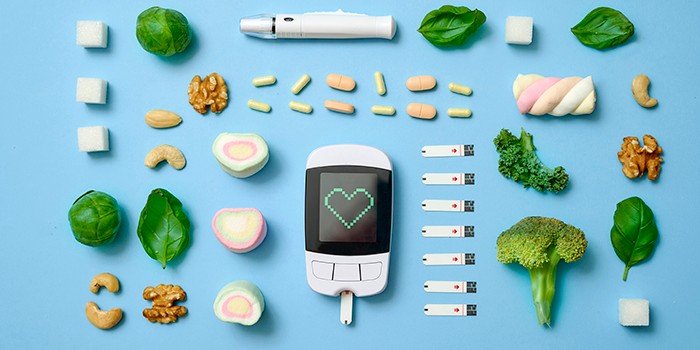
Principles of a Diabetes-Friendly Diet
Nutrition is central to all diabetes management guideline. The right food choices help maintain stable blood sugar, support weight management, and reduce the risk of heart disease.
Diabetes management guidelines recommend:
- Emphasizing whole grains, fruits, vegetables, lean proteins, and healthy fats
- Limiting processed foods, added sugars, and saturated fats
- Counting carbohydrates and spreading them evenly throughout the day
- Managing portion sizes
No one-size-fits-all diet exists. The best plan is personalized, enjoyable, and sustainable, aligning with diabetes management guideline and individual preferences.
Popular Diet Patterns
Many diabetes management guideline support various eating patterns, as long as they help control blood sugar and promote heart health:
- Mediterranean diet
- DASH diet (Dietary Approaches to Stop Hypertension)
- Plant-based diets
- Low-carbohydrate diets (under medical supervision)
Consulting a registered dietitian familiar with diabetes management guideline can help create a practical and effective meal plan.
Physical Activity Recommendations
Why Exercise Matters
Physical activity is a core pillar in all diabetes management guideline. Exercise helps:
- Lower blood sugar and improve insulin sensitivity
- Manage weight and body fat
- Reduce risk of heart disease and stroke
- Enhance mood and overall well-being
Types and Amount of Exercise
Diabetes management guidelines generally recommend:
- At least 150 minutes of moderate-intensity aerobic activity per week (e.g., brisk walking, cycling, swimming)
- Resistance training 2-3 times per week (e.g., weightlifting, bodyweight exercises)
- Reducing sedentary time and breaking up long periods of sitting
Start slowly and gradually increase intensity, always following medical advice. All exercise programs should be tailored to individual fitness and health conditions, in line with diabetes management guideline.
Medication and Insulin Therapy
Medication Overview
Many people need medication to help manage blood glucose, and diabetes management guideline provide detailed recommendations on choosing and adjusting treatments.
Diabetes management guideline cover:
- Oral medications: Metformin is usually first-line for Type 2 diabetes. Other classes include SGLT2 inhibitors, DPP-4 inhibitors, and sulfonylureas.
- Injectable medications: GLP-1 receptor agonists, insulin, and others.
Medication choices depend on factors such as age, duration of diabetes, risk of hypoglycemia, weight, and presence of other conditions.
Insulin Therapy
For people with Type 1 diabetes, and many with Type 2 diabetes, insulin is essential. Diabetes management guideline offer advice on:
- Different types of insulin (rapid, short, intermediate, long-acting)
- Dosing schedules (basal-bolus, twice daily, etc.)
- Adjusting doses based on food, activity, and illness
Modern diabetes management guideline encourage use of technology like insulin pumps and CGM for improved management and flexibility.
Preventing and Managing Complications
Diabetes management guideline place a strong focus on preventing and managing complications, which can include:
- Heart disease and stroke
- Kidney disease (nephropathy)
- Eye disease (retinopathy)
- Nerve damage (neuropathy)
- Foot problems and ulcers
Screening and Prevention
Diabetes management guidelines recommend:
- Annual or regular eye exams
- Regular kidney function tests (urine albumin, serum creatinine)
- Foot examinations at every visit
- Blood pressure and cholesterol checks
Early detection and intervention through routine screening and tight control of blood glucose, blood pressure, and cholesterol are key recommendations in all major diabetes management guidelines.
Lifestyle and Behavioural Support

Living with diabetes can be emotionally challenging. Diabetes management guidelines recognize the importance of:
- Diabetes self-management education (DSME) and support
- Mental health screenings for depression, anxiety, and diabetes distress
- Connecting with support groups and counseling
Stress, poor sleep, and mental health issues can negatively affect blood sugar control. As per diabetes management guidelines, addressing these factors improves not only diabetes outcomes but overall quality of life.
Special Populations: Children, Elderly, and Pregnancy
Children and Adolescents
Diabetes management guidelines for children emphasize age-appropriate education, family support, and flexible care plans. Growth, school, and puberty introduce unique challenges for young people with diabetes.
Older Adults
For elderly patients, diabetes management guidelines stress individualizing goals and avoiding hypoglycemia. Priorities include maintaining independence and quality of life, minimizing polypharmacy, and screening for complications.
Pregnancy
Managing diabetes during pregnancy is crucial for mother and baby. Diabetes management guidelines recommend tighter glucose targets, frequent monitoring, and coordinated care with obstetric and diabetes specialists.
Recent Updates in Diabetes Management Guidelines
Diabetes management guidelines are updated regularly as new research and treatments become available. Key recent updates include:
- Broader use of CGM and insulin pumps
- Earlier use of GLP-1 receptor agonists and SGLT2 inhibitors for cardiovascular and kidney protection
- Greater emphasis on weight management, including newer anti-obesity medications
- More attention to social determinants of health and individualized care
It’s important to consult the latest diabetes management guidelines or your healthcare provider for up-to-date recommendations.
Practical List: Daily Diabetes Management Checklist
Here’s a practical checklist based on current diabetes management guidelines:
- Monitor blood sugar as recommended
- Take medications as prescribed
- Follow your meal plan
- Be physically active every day
- Check feet daily for cuts, blisters, or sores
- Track blood pressure and cholesterol
- Attend regular medical appointments
- Ask questions and seek support when needed
- Watch for signs of complications
- Practice stress management techniques
Use this list to stay on track with diabetes management guidelines.
Medication Classes in Diabetes Management Guidelines
| Medication Class | Typical Use | Common Examples | Notes on Guidelines |
|---|---|---|---|
| Biguanides | First-line in Type 2 | Metformin | Weight neutral, cardiovascular benefit |
| Sulfonylureas | Add-on | Glipizide, Glyburide | Risk of hypoglycemia |
| DPP-4 Inhibitors | Add-on | Sitagliptin, Saxagliptin | Weight neutral, low hypoglycemia risk |
| SGLT2 Inhibitors | Add-on/first-line | Empagliflozin, Dapagliflozin | Cardiovascular and renal benefits |
| GLP-1 Receptor Agonists | Add-on/first-line | Liraglutide, Semaglutide | Weight loss, cardiovascular benefit |
| Insulin | All types | Basal, Bolus, Mixed | Essential in Type 1; used in advanced Type 2 |
| Thiazolidinediones (TZDs) | Add-on | Pioglitazone | Weight gain, avoid in heart failure |
| Meglitinides | Add-on | Repaglinide | Risk of hypoglycemia, flexible dosing |
All these classes are covered in depth in diabetes management guidelines for choosing the best therapy.
Must Read:
- Nephrogenic Diabetes Insipidus: Causes, Symptoms, and Treatment
- New Diabetes Treatment Success
- Diabetes Food Hub: Simple Meals for Blood Sugar Control
FAQs:
1. What are diabetes management guidelines?
Diabetes management guidelines are official recommendations developed by health experts to help patients, caregivers, and providers make the best decisions for managing diabetes.
2. Why follow diabetes management guidelines?
Following diabetes management guidelines helps achieve stable blood sugar, reduces risk of complications, and improves overall health outcomes.
3. How often are diabetes management guidelines updated?
Most diabetes management guidelines are reviewed and updated annually or as significant new evidence becomes available.
4. Can diabetes management guidelines be customized?
Absolutely. Diabetes management guidelines emphasize personalizing treatment to individual needs, preferences, and goals.
5. Where can I access official diabetes management guidelines?
Leading organizations like the ADA, WHO, and IDF publish diabetes management guidelines on their official websites.
6. Do diabetes management guidelines apply to all ages?
Yes, but they include specific recommendations for children, adults, elderly, and pregnant women to address unique needs.
7. How important is lifestyle change in diabetes management guidelines?
Lifestyle changes nutrition, exercise, weight control are foundational in all diabetes management guidelines.
Conclusion: Empowering Your Diabetes Journey
Following diabetes management guidelines is the key to living well with diabetes, no matter your age or the type of diabetes you have. These guidelines provide clear, research-backed steps to monitor your health, make informed food and lifestyle choices, take the right medications, and prevent complications.
It’s not just about numbers and routines it’s about building healthy habits that fit your life and help you reach your goals. As science and technology advance, diabetes management guidelines continue to evolve, making care safer, more effective, and more personalized than ever before.
Take charge today by talking to your healthcare provider, asking about the latest diabetes management guidelines, and creating a plan that works for you. By staying informed and proactive, you can enjoy life, manage your diabetes confidently, and look forward to a healthier future.