Diabetes is a chronic health condition affecting millions worldwide. Whether you’ve just been diagnosed, or you’re supporting a loved one, the question “can diabetes be reversed?” is a common and pressing one.
This guide breaks down everything you need to know about diabetes reversal, the science behind it, effective strategies, real-life stories, and tips for ongoing management.
What is Diabetes?
Diabetes is a metabolic disorder characterized by high blood sugar levels. The body either doesn’t produce enough insulin or can’t effectively use the insulin it produces. Insulin is crucial as it helps your body process glucose from food into energy.
People often ask, “Can diabetes be reversed?” The answer depends on the type of diabetes and individual factors. But understanding the root of the problem is the first step to effective management or possible reversal.
Types of Diabetes: Key Differences
To truly answer “can diabetes be reversed,” it’s essential to recognize the different types:
- Type 1 Diabetes: An autoimmune disease where the body attacks insulin-producing cells in the pancreas.
- Type 2 Diabetes: The most common form, where the body becomes resistant to insulin or doesn’t make enough.
- Gestational Diabetes: Develops during pregnancy and usually goes away after birth.
- Prediabetes: Blood sugar is higher than normal but not yet in the diabetic range.
Each type affects your body differently, so “can diabetes be reversed?” means different things for each.
What Does “Reversing Diabetes” Mean?
When people ask “can diabetes be reversed,” they often mean putting diabetes into remission. This means:
- Blood sugar levels return to a non-diabetic range.
- No longer need diabetes medications or need fewer of them.
- The improvements last long-term.
Remission doesn’t mean the diabetes is “cured,” but that it’s under control without ongoing medication. In most cases, lifestyle changes must be maintained to keep diabetes in remission.
Can Type 1 Diabetes Be Reversed?
A crucial aspect when exploring “can diabetes be reversed” is the difference between Type 1 and Type 2.
Type 1 Diabetes: Remission or Cure?
- Type 1 diabetes is an autoimmune condition.
- The body permanently loses its ability to produce insulin.
- Current medical science does not consider Type 1 diabetes reversible.
- People with Type 1 must use insulin therapy for life.
However: Ongoing research into islet cell transplantation, stem cell therapy, and immunotherapy holds promise for future breakthroughs.
Managing Type 1 diabetes well can prevent complications and give a high quality of life, but as of 2025, “can diabetes be reversed” does not apply to Type 1 in the conventional sense.
Can Type 2 Diabetes Be Reversed?
Type 2 diabetes is a different story. When people Google “can diabetes be reversed,” they mostly refer to Type 2 diabetes.
What Science Says:
- Yes, Type 2 diabetes can often be put into remission, especially if caught early.
- Remission means blood sugar returns to a healthy range and stays there without medication.
Key strategies:
- Intensive lifestyle changes
- Sustained weight loss
- Improved nutrition
- Increased physical activity
Many clinical trials and real-life cases prove that, for some, the answer to “can diabetes be reversed” is a hopeful YES for Type 2.
The Role of Prediabetes
Before full-blown diabetes, there’s prediabetes. This is when blood sugar is higher than normal but not yet in the diabetes range. The question, “can diabetes be reversed?” is especially relevant here.
Prediabetes is highly reversible with diet, exercise, and weight loss. Taking action now can prevent progression to Type 2 diabetes.
Science of Diabetes Reversal: How It Works
“Can diabetes be reversed” is grounded in scientific mechanisms:
- Insulin Sensitivity: Weight loss and exercise can improve your body’s response to insulin.
- Beta Cell Rest: Reducing sugar intake gives insulin-producing cells a chance to recover.
- Fat Loss from the Pancreas/Liver: Losing visceral fat helps restore normal organ function.
Studies show that even a 5-10% body weight loss can significantly impact blood sugar control.
Diet and Diabetes Reversal
When considering “can diabetes be reversed,” diet is the foundation.
Best Dietary Strategies:
- Low-Carb Diets: Lower glucose spikes, reduce insulin demand.
- Mediterranean Diet: High in vegetables, healthy fats, lean proteins.
- Plant-Based Diets: May improve insulin sensitivity and promote weight loss.
Key Principle: Avoid ultra-processed foods, sugary drinks, and excess refined carbs.
Foods That Help:
- Leafy greens
- Whole grains (in moderation)
- Lean proteins
- Healthy fats (olive oil, avocados, nuts)
Personalization is crucial. Consult with a registered dietitian for tailored advice.
Physical Activity’s Impact
Exercise is a proven method to improve blood sugar control and answer “can diabetes be reversed” with action.
Recommended Activities:
- Brisk walking
- Cycling
- Swimming
- Strength training
Benefits:
- Boosts insulin sensitivity
- Helps with weight management
- Improves cardiovascular health
Aim for at least 150 minutes of moderate-intensity activity per week.
Weight Loss and Its Importance
Many studies show that sustained weight loss is a game changer for those asking “can diabetes be reversed.”
Why It Matters:
- Reduces fat around liver and pancreas, which improves insulin production and use.
- Even modest weight loss (5-10%) can result in diabetes remission for many people.
Tips:
- Focus on sustainable, gradual changes.
- Prioritize nutrient-dense, low-calorie foods.
- Seek support from healthcare professionals.
Bariatric Surgery for Diabetes
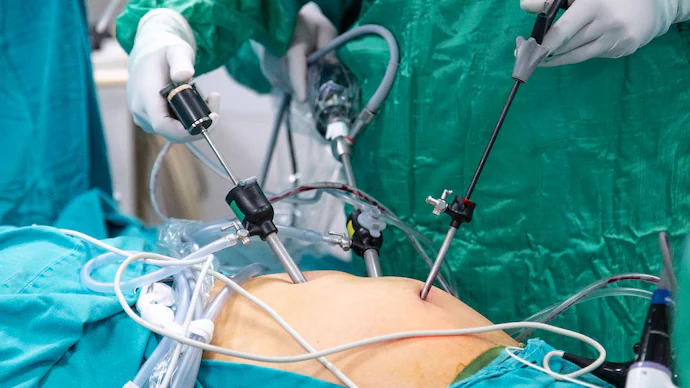
For people with obesity and severe diabetes, “can diabetes be reversed” sometimes involves medical intervention.
Bariatric Surgery Benefits:
- Procedures like gastric bypass or sleeve gastrectomy can lead to rapid diabetes remission.
- Studies show up to 80% remission rates for Type 2 diabetes post-surgery.
Considerations:
- Not suitable for everyone.
- Requires lifelong follow-up and lifestyle changes.
Discuss risks and benefits with your doctor.
Intermittent Fasting and Diabetes
Intermittent fasting has gained attention as a method to answer “can diabetes be reversed?”
How It Works:
- Restricts eating to certain windows (e.g., 16:8 method).
- May lower blood sugar, improve insulin sensitivity, and promote fat loss.
What the Research Says:
- Some people achieve remission using intermittent fasting.
- Always consult your healthcare provider before starting, especially if you’re on medication.
The Role of Medications
If you ask “can diabetes be reversed,” you may wonder about medication.
- Some people need medications (like metformin) to control blood sugar.
- In cases of remission, meds may be reduced or discontinued under medical supervision.
- Never stop medication without your doctor’s approval.
Ongoing medical supervision is essential throughout any diabetes reversal journey.
Supplements for Blood Sugar Support
Some supplements may help in diabetes management and support those seeking to reverse diabetes.
Common Options:
- Berberine: Shown to lower blood sugar.
- Cinnamon: May have a mild glucose-lowering effect.
- Alpha-lipoic acid: Antioxidant, may improve insulin sensitivity.
- Chromium: Sometimes used for blood sugar regulation.
Always consult a healthcare professional before starting supplements.
Herbal Remedies and Natural Approaches
Herbs and natural approaches can be complementary in diabetes reversal.
Popular Herbal Remedies:
- Bitter melon
- Fenugreek
- Gymnema sylvestre
- Aloe vera
While some studies are promising, more research is needed, and herbs should not replace prescribed treatments.
Real Success Stories
Hearing from others can inspire hope. Many individuals ask, “can diabetes be reversed?” and set out to make changes.
Real-World Cases:
- John, age 54: Lost 22kg, switched to a Mediterranean diet, and achieved non-diabetic blood sugar within 10 months.
- Sarah, age 39: Combined intermittent fasting and daily walking. Stopped diabetes medication after one year under medical supervision.
- Mark, age 61: Bariatric surgery led to rapid blood sugar normalization and improved energy.
Key Takeaway: Many people, especially with Type 2 diabetes or prediabetes, can achieve remission with commitment and guidance.
Barriers to Diabetes Reversal
Not everyone will achieve remission. “Can diabetes be reversed?” depends on several factors.
Main Challenges:
- Duration of Diabetes: Longer disease duration makes remission harder.
- Beta Cell Function: More preserved insulin production, better the chance.
- Genetics: Some people are more predisposed than others.
- Access to Care: Support from professionals and access to healthy food matters.
Still, every positive change can improve your health, even if reversal isn’t possible.
What the Latest Research Says?
Medical science continues to investigate “can diabetes be reversed?” Here’s what’s new:
- Remission is possible for many with Type 2, especially early on.
- Ongoing studies into stem cell therapy for Type 1.
- Advances in digital health apps and glucose monitoring make tracking progress easier.
- The DiRECT Trial (UK) and similar studies show sustainable results up to five years with structured weight loss programs.
The bottom line: There’s never been a better time to try.
Living Beyond Diabetes: Long-Term Tips

“Can diabetes be reversed?” is just the start. Here’s how to maintain success:
- Regular monitoring: Check blood sugar as recommended.
- Stay active: Keep up with physical activity.
- Healthy eating: Focus on whole foods and limit processed options.
- Support: Stay connected with healthcare teams and support groups.
- Education: Stay updated on new research and approaches.
- Stress management: Practice yoga, meditation, or hobbies.
Remember, your journey is unique. Small, consistent steps add up to big results.
Key Steps to Support Diabetes Reversal
- Lose excess weight gradually
- Eat a balanced, whole-food diet
- Stay physically active every day
- Monitor blood sugar levels regularly
- Work with healthcare professionals
- Get enough sleep and manage stress
- Consider professional support for weight loss
- Stay consistent remission is a journey
Comparison of Diabetes Reversal Strategies
| Strategy | Type 1 Diabetes | Type 2 Diabetes | Prediabetes | Comments |
|---|---|---|---|---|
| Diet and Nutrition | Supportive | Often effective | Very effective | Plant-based & low-carb help most |
| Physical Activity | Essential | Essential | Essential | Boosts insulin sensitivity |
| Weight Loss | N/A | Highly effective | Highly effective | Critical for Type 2, prediabetes |
| Bariatric Surgery | Experimental | Proven results | N/A | For severe obesity |
| Intermittent Fasting | Research phase | Effective for some | Effective | Requires supervision |
| Medication Adjustment | Required | Possible to reduce | Possible | Always with medical guidance |
| Supplements/Herbs | Supportive | Supportive | Supportive | Consult healthcare provider |
| Stem Cell Therapy | Research stage | N/A | N/A | Hope for the future |
Final Words: Is Reversal Right for You?
“Can diabetes be reversed?” The answer is YES for many people with Type 2 diabetes and prediabetes, especially if caught early and managed with intensive lifestyle changes. Even if reversal isn’t possible, every step toward better health counts.
Type 1 diabetes cannot currently be reversed, but management tools are advancing rapidly.
If you’re ready to take charge, talk to your doctor. Start with small, achievable goals, track your progress, and celebrate every win.
Must Read:
- Nephrogenic Diabetes Insipidus: Causes, Symptoms, and Treatment
- Best Blood Sugar Monitor Without Finger Pricks
- New Diabetes Treatment Success
FAQs:
Q1: Can diabetes be reversed permanently?
Remission is possible for many with Type 2, but relapse can occur if old habits return.
Q2: How long does it take to reverse diabetes?
Some see results in a few months; for others, it takes a year or more.
Q3: Can I stop taking medication if my diabetes is reversed?
Only under medical supervision. Never stop medication without your doctor’s guidance.
Q4: Does diabetes reversal mean I’m cured?
No. Remission means controlled without meds, but the risk remains if unhealthy habits return.
Q5: What are the early signs diabetes can be reversed?
Reduced need for medication, stable blood sugar, weight loss, and improved energy.
Q6: Can diet alone reverse diabetes?
For some, yes, especially with weight loss. Others need a combination of strategies.
Can Diabetes Be Reversed? (Final Recap)
- For Type 2 diabetes and prediabetes, remission is possible with dedicated lifestyle changes.
- Type 1 diabetes currently cannot be reversed but can be well-managed.
- Medical research is ongoing future breakthroughs may change what’s possible.
- Always work with healthcare professionals for the safest, most effective plan.
You have the power to make positive changes start today!