

Juvenile diabetes, also known as Type 1 diabetes, is a chronic health condition primarily diagnosed in children and adolescents. Unlike Type 2 diabetes, which is often associated with lifestyle factors, juvenile diabetes is an autoimmune disorder where the immune system attacks and destroys insulin-producing cells in the pancreas.
This Comprehensive guide will explore juvenile diabetes, including its causes, warning signs, risk factors, complications, and essential care tips. Whether you’re a concerned parent, caregiver, or health professional, this guide will help you understand and manage this condition more effectively.
What Is Juvenile Diabetes?
Juvenile diabetes is an autoimmune form of diabetes that typically manifests in individuals under 20 years of age, though it can occur at any age. In Type 1 diabetes, the body is unable to produce insulin the hormone responsible for regulating blood sugar levels.
Without insulin, glucose builds up in the bloodstream instead of being used for energy. This results in high blood sugar (hyperglycaemia), which can cause serious health problems if not managed.
Causes of Juvenile Diabetes
Juvenile diabetes, also referred to as Type 1 diabetes, is a complex autoimmune condition. It most commonly affects children and teenagers, although it can occur at any age. Unlike Type 2 diabetes, which is often linked to lifestyle factors, juvenile diabetes is not caused by poor diet or lack of exercise. Instead, it results from a combination of genetic and environmental influences that trigger the immune system to attack the insulin-producing beta cells in the pancreas.
Understanding the causes of juvenile diabetes helps parents and caregivers recognise risk factors and support early diagnosis and care.
1. Autoimmune Reaction
The most direct cause of juvenile diabetes is an autoimmune response. For reasons still not fully understood, the body’s immune system mistakenly targets and destroys the beta cells in the pancreas the cells responsible for producing insulin.
As the destruction progresses, the body produces less insulin until eventually, insulin production stops entirely. Without insulin, the body can’t regulate blood sugar, leading to hyperglycaemia. This autoimmune attack can begin months or even years before symptoms appear.
2. Genetic Susceptibility
Genetics play a key role in the development of juvenile diabetes. Children who inherit specific human leukocyte antigen (HLA) genes are more likely to develop autoimmune diseases, including Type 1 diabetes.
Although the condition is not directly inherited, a family history of Type 1 diabetes increases the risk. For example:
- If a parent has Type 1 diabetes, the child has a 3–8% chance of developing it.
- If a sibling has Type 1 diabetes, the risk is higher than in the general population.
However, having a genetic predisposition doesn’t guarantee the child will develop diabetes it usually requires a trigger.
3. Environmental Triggers
Environmental factors are believed to activate the autoimmune response in genetically susceptible individuals. These may include:
- Viral infections: Exposure to certain viruses such as Coxsackievirus, enteroviruses, or Epstein-Barr virus may confuse the immune system, prompting it to attack pancreatic beta cells.
- Geographic location: Juvenile diabetes is more common in countries further from the equator, suggesting that vitamin D deficiency (from lack of sunlight) may play a role.
- Seasonal trends: Higher diagnosis rates in winter hint at environmental or viral factors that vary by season.
4. Dietary Factors in Early Life
Some studies suggest that early exposure to cow’s milk, gluten, or solid foods before the age of 4 months might increase the risk in susceptible infants. Others have proposed that shortened breastfeeding duration could also play a role.
While these links are not fully confirmed, maintaining a balanced diet and breastfeeding for at least six months may offer protective benefits.
Early Signs and Symptoms of Juvenile Diabetes
Juvenile diabetes, also known as Type 1 diabetes, often appears suddenly and progresses rapidly in children and adolescents. Recognising the early signs and symptoms is critical for early diagnosis, effective treatment, and avoiding life-threatening complications like diabetic ketoacidosis (DKA). Unlike Type 2 diabetes, which develops slowly, the symptoms of juvenile diabetes can escalate within a few weeks or even days.
Parents, teachers, and caregivers should be aware of these common warning signs to ensure prompt medical attention and support.
1. Frequent Urination (Polyuria)
One of the first and most noticeable signs of juvenile diabetes is a sudden increase in urination. The body tries to flush out excess sugar through urine, leading to more frequent trips to the bathroom. In younger children, this may even result in bedwetting after previously staying dry at night.
2. Excessive Thirst (Polydipsia)
Due to fluid loss from frequent urination, children with undiagnosed diabetes often feel extremely thirsty. They may drink large amounts of water, juice, or milk and still complain of being thirsty. This constant cycle of thirst and urination is a clear signal that something is wrong.
3. Unexplained Weight Loss
Despite eating normal or even increased amounts of food, children with Type 1 diabetes may lose weight rapidly. Without insulin, the body cannot use glucose for energy and starts breaking down fat and muscle instead. Sudden weight loss in a child should never be ignored.
4. Increased Hunger (Polyphagia)
When cells are deprived of glucose, the body signals the brain to eat more. This results in intense hunger that doesn’t go away, even shortly after meals. A child who is constantly hungry despite eating well may be showing an early symptom of diabetes.
5. Fatigue and Weakness
Children with Type 1 diabetes often feel tired or lethargic. Because their bodies aren’t effectively converting glucose into energy, they may become less active, sleep more than usual, or seem uninterested in activities they once enjoyed.
6. Irritability or Mood Changes
Low energy levels and blood sugar fluctuations can also affect a child’s mood. They may become unusually irritable, emotional, or have difficulty concentrating at school. Behavioural changes that are sudden or uncharacteristic should prompt further investigation.
7. Fruity-Smelling Breath
When the body burns fat for fuel due to a lack of insulin, it produces ketones. High levels of ketones in the blood can cause a distinctive sweet or fruity smell on the breath — a sign that requires immediate medical attention.
8. Blurred Vision
Excess glucose in the blood can pull fluid from the eyes’ lenses, causing temporary vision problems. If your child suddenly starts squinting, complaining of blurry vision, or struggling to read, this may be a red flag.
9. Slow Healing of Cuts and Frequent Infections
High blood sugar levels can impair the immune system, making children more prone to skin infections, yeast infections, and slower healing from minor wounds or bruises.
Final Note
Recognising the early signs and symptoms of juvenile diabetes can make all the difference in getting timely care and preventing complications. If you notice two or more of these symptoms in your child, consult a healthcare provider immediately for blood sugar testing.
Parents should seek medical attention if these symptoms appear, especially if there’s a family history of diabetes.
How Juvenile Diabetes Is Diagnosed
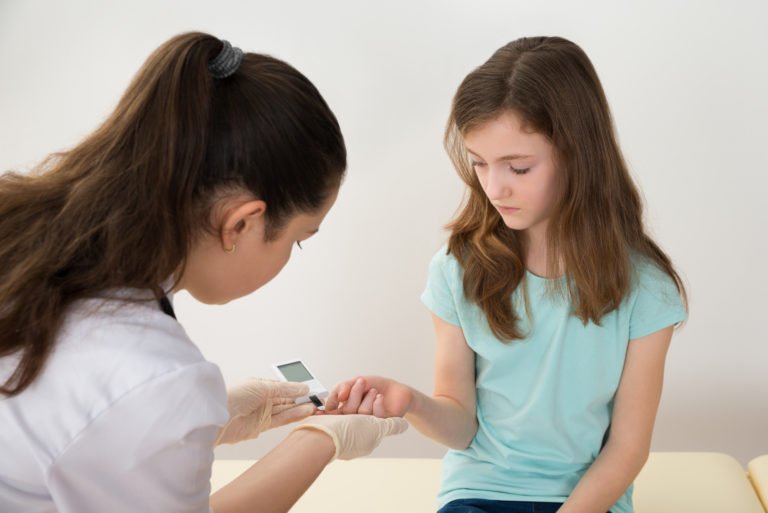
Diagnosis typically involves the following tests:
- Fasting Blood Sugar Test
- HbA1c Test (measures average blood sugar over 2–3 months)
- Random Blood Sugar Test
- Urinalysis (for ketones and glucose)
- C-Peptide Test (to evaluate insulin production)
- Autoantibody Test (to detect autoimmune markers)
Risk Factors
While juvenile diabetes can occur without warning, the following risk factors increase the likelihood:
- Family history of Type 1 diabetes
- Caucasian ethnicity
- Early exposure to cow’s milk or cereal grains
- Certain viral infections in infancy
- Presence of autoimmune diseases like celiac disease
Complications of Untreated Juvenile Diabetes
If left unmanaged, juvenile diabetes can lead to severe complications:
- Diabetic ketoacidosis (DKA)
- Growth and developmental delays
- Vision problems (diabetic retinopathy)
- Kidney damage (nephropathy)
- Nerve damage (neuropathy)
- Increased risk of cardiovascular disease
Daily Management and Lifestyle Care Tips
Managing juvenile diabetes requires a structured, consistent routine. Here are essential tips for parents and caregivers:
1. Blood Sugar Monitoring
Regularly check blood glucose levels using a glucometer or continuous glucose monitor (CGM). Keep logs to identify patterns and triggers.
2. Insulin Therapy
Children with Type 1 diabetes require lifelong insulin therapy, either via injections or an insulin pump. Types include:
- Rapid-acting insulin
- Long-acting insulin
- Combination insulin
3. Nutrition and Meal Planning
A balanced diet with a focus on complex carbs, fibre, lean proteins, and healthy fats helps maintain steady glucose levels. Use carbohydrate counting to match insulin doses.
4. Physical Activity
Regular exercise improves insulin sensitivity. Encourage age-appropriate activities like walking, swimming, or playing sports.
5. Stress and Emotional Support
Living with a chronic illness can be emotionally challenging. Offer psychological support through therapy, peer groups, or school counsellors.
6. Emergency Preparedness
Teach children and caregivers to recognise and treat hypo- or hyperglycaemia. Always carry snacks, glucose tablets, and emergency insulin.
School and Social Life With Diabetes
Children with diabetes can lead normal, active lives with proper planning. Ensure school staff are aware of:
- Blood sugar monitoring routines
- Insulin needs
- Emergency protocols
Also encourage open communication with peers to reduce stigma and support mental well-being.
Preventing Complications Through Long-Term Care
Long-term diabetes care should include:
- Regular paediatric endocrinologist visits
- Annual eye and kidney screening
- Dental check-ups
- Routine vaccinations (including flu shots)
- Monitoring for other autoimmune disorders (thyroid, celiac)
Technological Advances in Juvenile Diabetes Management
New technologies are improving diabetes care:
- Continuous glucose monitors (CGMs)
- Smart insulin pens
- Artificial pancreas systems
- Mobile health tracking apps
These tools provide better data, reduce guesswork, and enhance treatment accuracy.
Nutritional Guidelines for Juvenile Diabetes
Emphasise low-glycaemic index foods to avoid blood sugar spikes:
| Food Type | Examples |
|---|---|
| Low-GI Carbs | Quinoa, oats, lentils, sweet potato |
| Lean Proteins | Chicken, turkey, tofu, eggs |
| Healthy Fats | Avocado, olive oil, nuts |
| High-Fibre Veg | Broccoli, spinach, zucchini |
Avoid sugary drinks, processed snacks, and refined carbs.
Supporting Mental Health
Living with juvenile diabetes can cause anxiety, burnout, and low self-esteem. Parents should:
- Encourage independence while offering support
- Promote body positivity
- Connect with support groups
- Consider therapy for anxiety or depression
Mental health is just as important as physical well-being in chronic disease management.
Future Outlook: Can Juvenile Diabetes Be Cured?
Currently, there is no cure for juvenile diabetes, but research is advancing in:
- Immunotherapy to prevent autoimmune attacks
- Stem cell therapy to regenerate insulin-producing cells
- Beta cell transplants
- Smart insulin technologies
Hope remains high for future solutions that may reduce dependency on insulin.
FAQs:
1. What is juvenile diabetes?
Juvenile diabetes, or Type 1 diabetes, is an autoimmune condition where the body stops producing insulin, typically diagnosed in children or teens.
2. What causes juvenile diabetes in children?
It is caused by genetic predisposition, autoimmune reactions, and possible environmental triggers such as viruses or early diet exposures.
3. What are early signs of juvenile diabetes?
Frequent urination, excessive thirst, weight loss, fatigue, mood changes, and fruity breath are common early warning signs in children.
4. How is juvenile diabetes diagnosed?
Diagnosis involves blood tests like fasting glucose, HbA1c, C-peptide levels, and autoimmune markers to confirm Type 1 diabetes.
5. Can children with diabetes live a normal life?
Yes. With insulin therapy, proper nutrition, blood sugar monitoring, and emotional support, children can lead full, active lives.
6. Is there a cure for juvenile diabetes?
There is no cure yet, but ongoing research in immunotherapy and beta cell regeneration offers hope for future breakthroughs.
Must Read:
- Difference Between Type 1 and 2 Diabetes
- Type 1 Diabetes Treatment: What Experts Say
- Type 1 Diabetes Diagnosis
Final Thoughts:
Juvenile diabetes is a lifelong condition, but with early diagnosis, proper treatment, and emotional support, children can live full, healthy lives. It requires commitment from families, schools, and healthcare teams to create a safe and empowering environment.
With the right knowledge and tools, managing juvenile diabetes becomes a journey of strength, resilience, and everyday success.


